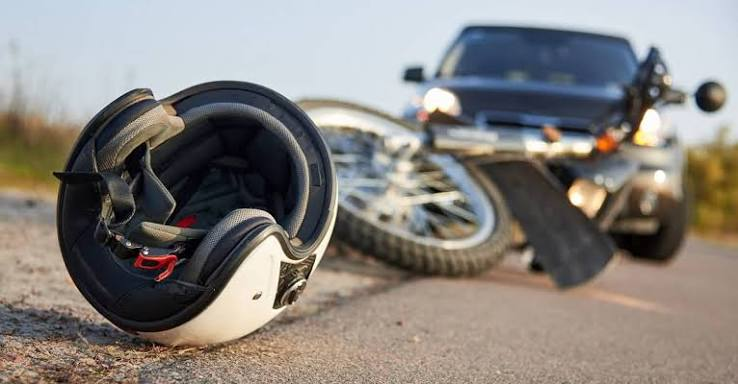
Motorcycle accidents can happen quickly and leave riders facing serious injuries, vehicle damage, and financial concerns. Unlike occupants of passenger vehicles, motorcyclists have less physical protection during a collision. Knowing what to do after an accident can help protect health, preserve evidence, and make it easier to deal with insurance and legal matters.
The first priority after a motorcycle accident is safety. If you are able to move without making an injury worse, get to a safe location away from traffic. Call emergency services when necessary and make sure injured people receive appropriate medical attention.
It is also important to report the accident when required. Police officers can document the scene, gather statements, and prepare an accident report. The report may later become useful when insurance companies or attorneys evaluate what happened.
If you are physically able to do so, photographs can preserve valuable evidence. Take pictures of the motorcycle, other vehicles, roadway conditions, traffic signs, debris, visible injuries, and the surrounding area. These details can become difficult to establish after vehicles are moved and the accident scene changes.
Motorcycle accidents can involve disputes about visibility, lane positioning, speed, traffic signals, and other circumstances. Evidence from the scene can help provide a clearer picture of what occurred.
Witnesses may also have important information. If people saw the collision, obtain their contact information if possible. A witness may have noticed a vehicle’s movement, traffic signal, or other detail that the people involved in the crash did not see.
Medical treatment should be taken seriously even when injuries initially appear manageable. Motorcycle crashes can result in fractures, head injuries, spinal injuries, road rash, and other conditions that may require extensive treatment.
A medical evaluation can also create documentation of injuries following the accident. Keep copies of medical records, bills, prescriptions, diagnostic results, and follow up appointments.
For someone researching a motorcycle accident lawyer butler, understanding the importance of evidence can be particularly helpful. Motorcycle accident claims may involve questions about driver behavior, traffic conditions, visibility, road design, vehicle defects, and other factors.
Insurance companies may contact the people involved after a collision. An adjuster may ask for information about the accident, injuries, motorcycle damage, or medical treatment. Providing accurate information is important, but people should avoid speculating about issues they do not know.
Motorcyclists sometimes face assumptions that they were responsible simply because they were riding a motorcycle. However, fault must be evaluated based on the actual facts of the collision. A driver who failed to yield, changed lanes improperly, followed too closely, or otherwise acted negligently may potentially be responsible.
Evidence can help address these questions. Photographs, witness statements, police reports, traffic camera footage, vehicle damage, helmet camera recordings, and other information may all become relevant.
The condition of the motorcycle should also be documented. Before making extensive repairs, photographs and appropriate inspection can help preserve evidence about how the crash occurred. Repair invoices and estimates should be saved as well.
A motorcycle may also have significant personal property attached to it. Helmets, riding equipment, protective clothing, and other items damaged in the collision should be documented rather than discarded immediately.
Lost income can become another concern when injuries prevent a rider from working. Keep information about missed work, reduced hours, employment restrictions, and other financial effects.
Some injuries can require lengthy rehabilitation. Physical therapy, occupational therapy, follow up appointments, medication, and other treatment can create substantial costs and may affect daily life for an extended period.
A Butler Personal Injury Lawyer may review the circumstances when another party may have caused the accident and resulting injuries. The legal issues can depend on the severity of the injuries, evidence of fault, insurance coverage, and financial losses.
Pennsylvania law includes deadlines for certain personal injury claims. The applicable time limit depends on the type of claim and circumstances. Waiting too long can potentially affect the ability to pursue compensation.
Social media should also be handled carefully after an accident. Photographs, comments, or posts about riding, the accident, or recovery could potentially be interpreted in ways that do not reflect the full situation.
It is important to follow medical recommendations during recovery. If a healthcare provider recommends additional treatment or restrictions, following those instructions can support recovery and create a consistent medical record.
A motorcycle accident may also involve more than one potentially responsible party. For example, another driver may have caused the collision, while a dangerous road condition or defective component could raise additional questions depending on the circumstances.
Determining responsibility can therefore require more than looking at the damage to the motorcycle. The sequence of events, roadway conditions, vehicle positions, witness accounts, and other evidence may all contribute to the investigation.
Keeping a personal record of the recovery can also be useful. Notes about pain, mobility, missed activities, medical appointments, and limitations can help preserve information about how the accident has affected everyday life.
The aftermath of a motorcycle crash can be challenging, but taking organized steps can make the process more manageable. Prioritizing medical care, documenting the scene, preserving evidence, keeping financial records, and communicating carefully with insurers can all be useful.
Not every motorcycle accident results in a legal claim. However, when serious injuries, significant financial losses, or disputed responsibility are involved, obtaining legal guidance may help an injured rider understand the options available.
Every motorcycle accident is different. The appropriate response depends on the circumstances of the collision, the available evidence, the nature of the injuries, and the parties involved. Taking action early can help preserve important information while giving the injured person time to focus on recovery.