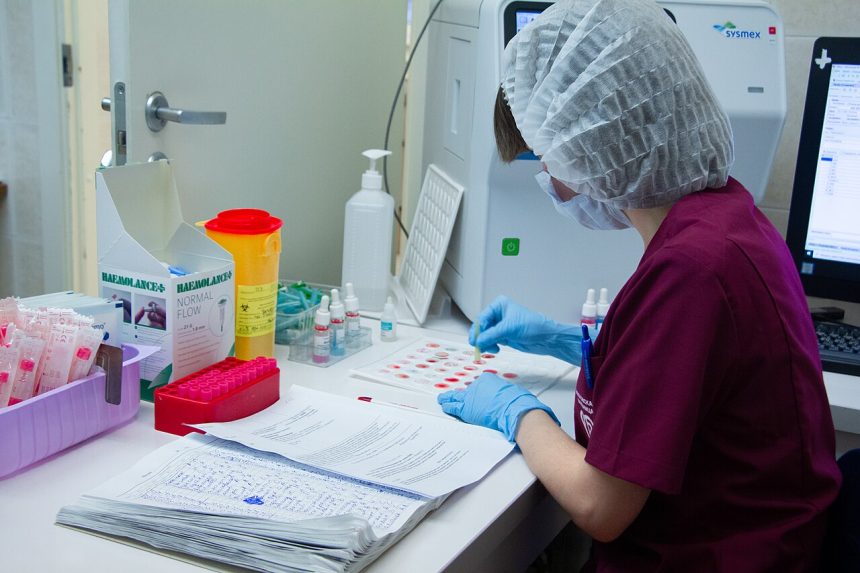
A simple blood test may one day flag Crohn’s disease and ulcerative colitis up to a decade before symptoms appear, according to research into the immune signatures that precede inflammatory bowel disease (IBD). The prospect matters because IBD is currently diagnosed late — often only after months of unexplained pain, weight loss and invasive investigation — by which time inflammation has already damaged the bowel. A test that moves diagnosis years earlier could change both treatment and outcomes for hundreds of thousands of patients.
The science rests on a simple observation: the immune system begins misbehaving long before the gut complains. Using stored blood samples from people who later developed Crohn’s or ulcerative colitis, researchers have identified patterns of inflammatory proteins and immune-cell behaviour that differ measurably from healthy controls years before diagnosis. The signal appears strongest for Crohn’s disease, where changes in certain antibody and inflammatory markers have been detected as much as ten years ahead of the first clinical presentation. Background on both conditions is published by the Crohn’s & Colitis Foundation.
Why Early Detection Changes the Disease
Crohn’s and ulcerative colitis are chronic, relapsing conditions in which the immune system attacks the digestive tract. Modern biologic therapies work best early, before strictures, fistulas and surgical damage accumulate — yet the average patient endures a long diagnostic odyssey, frequently being treated first for irritable bowel syndrome or infection. Gastroenterologists call the period after diagnosis the ‘window of opportunity’: treat aggressively inside it and the long-term trajectory, including surgery rates, improves substantially. A predictive blood test would, in effect, open that window before the patient even knows they are ill.
There is a second prize. If researchers can watch IBD develop in slow motion through pre-diagnosis blood samples, they can identify which immune pathways switch on first — and those pathways become targets for prevention trials in high-risk people, such as the close relatives of existing patients, who carry a significantly elevated lifetime risk.
From Laboratory Signal to Clinic Test
Between a promising biomarker panel and a test a GP can order lies a familiar valley: validation. The signatures must hold up in large, diverse, prospective cohorts; the false-positive rate must be low enough that healthy people are not frightened or over-investigated; and the test must add something beyond existing tools such as faecal calprotectin, which already detects gut inflammation once it is active. The realistic first use is probably targeted rather than universal — screening people with a family history of IBD, or those with vague symptoms that sit in the grey zone between reassurance and colonoscopy.
Our health and environment coverage has noted the parallel trend across medicine: cancers, dementia and autoimmune diseases are all being chased backwards in time by blood-based signatures, as measurement technology becomes sensitive enough to hear diseases whisper before they shout. IBD, with its young typical age of onset and heavy lifetime burden, is an especially compelling candidate for that shift.
What Patients Should Take From It
No such test is available in clinics today, and researchers stress that prediction is not destiny: many people with early immune signatures may never develop full disease. Anyone with persistent diarrhoea, blood in the stool, unexplained weight loss or nocturnal symptoms should still seek prompt investigation rather than waiting for future technology. Information on symptoms and diagnosis is available from the National Institute of Diabetes and Digestive and Kidney Diseases. But the direction of travel is unmistakable. A disease defined for a century by the damage visible on a scope is being redefined by signals in a tube of blood — and the decade of warning those signals provide may prove to be the most valuable treatment of all.