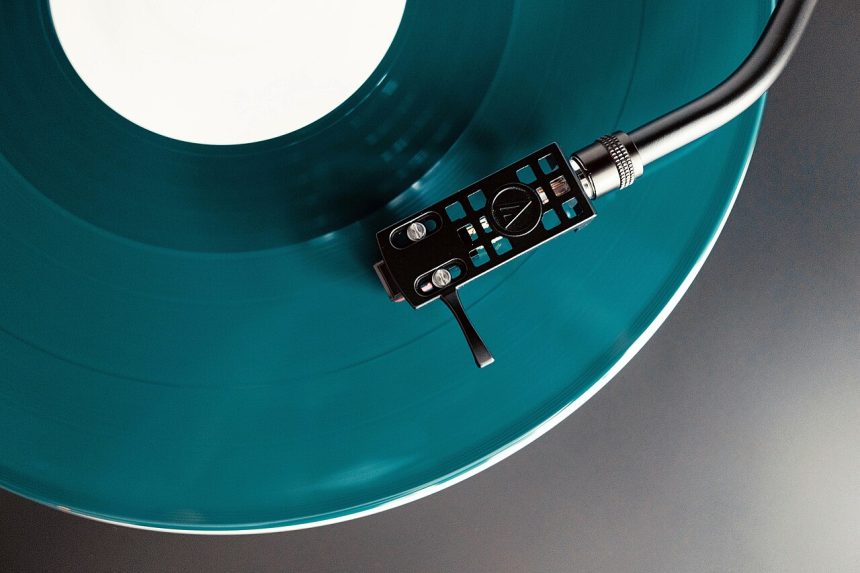
Vinyl records offer a listening experience that encourages people to slow down and pay attention to music. From browsing record collections to carefully placing a needle on a favourite album, the process feels different from opening a streaming application. However, enjoying records at home involves more than owning a turntable and a pair of speakers. Every part of the playback chain contributes to how the original recording is reproduced.
One component that deserves attention is the stage responsible for preparing the delicate signal produced by a turntable. Exploring phono preamplifiers helps listeners understand why vinyl systems require specific signal handling before the music can be played through ordinary audio equipment. Without the appropriate setup, even a well-maintained record collection may not sound as intended.
Understanding the technical side does not mean turning a hobby into an engineering project. A few basic principles can help record collectors make informed choices, avoid compatibility problems, and build a system that supports their listening preferences.
The Small Signal Behind Every Record
A turntable cartridge generates an electrical signal as its stylus follows the grooves of a vinyl record. This signal is relatively weak compared with the output from many modern audio sources. It therefore needs additional processing and amplification before it can be handled properly by the rest of the audio system.
This is one reason a turntable cannot always be connected directly to an ordinary line-level input. The receiving equipment must have a suitable phono stage, either built into the amplifier or supplied as a separate component.
The difference is important because the phono stage does more than increase volume. It also applies equalization that restores the tonal balance altered during record production. This process helps reproduce the intended relationship between bass, midrange, and treble frequencies.
Why Record Equalization Matters
Vinyl records use a standardized equalization curve during mastering and playback. During record production, low frequencies are reduced and high frequencies are boosted according to the RIAA standard. This arrangement helps manage groove dimensions and allows more music to fit onto a record.
During playback, the phono stage applies the inverse curve. It restores the frequency balance so the listener hears a more accurate representation of the recording.
Without the correct equalization, music can sound unusually thin, bright, or lacking in bass. Increasing the volume alone will not solve the problem because the issue concerns frequency balance rather than simple loudness.
This makes the phono stage an essential part of the vinyl signal chain. Its performance can influence how clearly instruments are presented and how naturally the overall recording sounds.
Understand Your Cartridge Before Choosing Equipment
Turntables commonly use moving magnet and moving coil cartridges. These designs generate signals differently and can require different electrical settings from the connected phono stage.
Moving magnet cartridges are widely used in home vinyl systems. They generally produce a higher output and are often easier to match with entry-level and mid-range equipment. Many also feature replaceable styli, giving owners a practical way to maintain their setup.
Moving coil cartridges usually produce a lower output, although high-output versions are also available. They can require different gain and loading settings, depending on their specifications. Choosing a phono stage without checking cartridge compatibility can lead to disappointing results.
Before purchasing equipment, check the cartridge manufacturer’s recommendations. Pay attention to output voltage, recommended load impedance, and cartridge type. These details help narrow down suitable options without relying on assumptions based on product appearance or price.
Separate Equipment Can Offer More Flexibility
Some turntables include a built-in phono stage, making them convenient for beginners and people who prefer a simple arrangement. Other models provide only a phono-level output and require an external stage or an amplifier with a dedicated phono input.
An external component can be useful when the listener wants greater control over system configuration. It may also allow the phono stage to be upgraded independently rather than replacing the entire amplifier or turntable.
When researching phono preamplifiers, buyers should compare supported cartridge types, gain options, loading settings, input connections, and output compatibility. These practical details are more important than choosing a product simply because it has an elaborate appearance or a long specification list.
The best arrangement depends on the equipment already owned. A basic turntable and powered speakers may need a different connection plan from a traditional setup containing a separate amplifier and passive speakers.
Record Condition Can Change the Listening Experience
Even high-quality playback equipment cannot completely overcome damaged or poorly maintained records. Dust, fingerprints, scratches, and residue can affect how the stylus moves through the grooves. These problems may introduce unwanted noise, clicks, pops, or distortion.
Proper record care should therefore be part of the listening routine. Records are best handled by their edges and stored vertically in suitable inner sleeves. Leaving them exposed on a table or stacking them carelessly can increase the risk of surface damage.
A carbon-fibre record brush can help remove loose dust before playback. For more thorough cleaning, collectors can use cleaning solutions and equipment designed specifically for vinyl. Household cleaners should be avoided because they may leave residue or damage record surfaces.
The stylus also needs attention. Dust accumulation can interfere with tracking and affect playback quality. Using an appropriate stylus brush according to the manufacturer’s instructions helps keep the cartridge in good condition.
Placement and Vibration Deserve Attention
Turntables are sensitive to unwanted movement. Vibrations from speakers, footsteps, furniture, and nearby appliances can reach the stylus and become audible through the speakers.
A stable surface is therefore essential. Placing a turntable on a sturdy cabinet can reduce unnecessary movement, while suitable isolation accessories may help in environments where vibration is difficult to control.
Speaker placement should also be considered. Positioning speakers too close to the turntable can increase the possibility of feedback, particularly at higher listening levels. Keeping the equipment properly separated and using a stable support surface can make playback more reliable.
The turntable should also be level. Uneven placement may affect tracking and contribute to inconsistent performance. Checking the manufacturer’s setup instructions is a sensible step whenever a turntable is installed or moved.
Build a Setup That Fits Your Record Collection
A vinyl system should reflect the way its owner listens. Someone who plays older jazz albums may prioritize tonal balance and quiet backgrounds, while a collector of modern electronic music may pay closer attention to bass response and system dynamics.
The room, speaker characteristics, cartridge, and amplifier all influence the result. It is rarely useful to upgrade one component without considering how the rest of the system will respond.
A practical approach is to identify the weakest part of the current setup. If the turntable is not compatible with the available input, resolving that issue should come before purchasing new speakers. If the cartridge is worn, replacing it may provide a more meaningful improvement than changing another component.
Collectors who enjoy organizing their listening spaces can also use visual planning tools such as Dreamina to explore ideas for record storage, furniture placement, and dedicated music corners. This can make it easier to plan a functional area before moving equipment around.
Conclusion
Vinyl playback is a combination of mechanical precision, electrical compatibility, careful maintenance, and thoughtful system design. The turntable, cartridge, phono stage, amplifier, speakers, and listening environment each contribute to the final sound. Understanding how these elements work together makes it easier to identify suitable equipment and avoid common setup problems.
Rather than chasing expensive upgrades, record collectors can benefit from checking compatibility, protecting their records, maintaining the stylus, and improving equipment placement. A balanced system built around genuine listening needs can make every record session more enjoyable while giving a collection the attention it deserves.