A well-kept lawn not only makes your home look great but also helps the environment by reducing carbon dioxide and supporting wildlife. This guide shares simple tips to keep your lawn lush and green.
From soil care to handling seasonal changes, every bit counts in maintaining a healthy lawn. Give these ideas a try for a green, eco-friendly lawn that will stay healthy for years.
Soil Health
A great lawn starts with healthy soil. To make sure your grass grows well, check out how your soil’s doing. Doing a soil test is super helpful because it tells you about pH and what’s in the soil.
This info helps you figure out if you need to add stuff like lime or nutrients such as potassium and phosphorus.
Enhancing with Organic Matter
Adding organic stuff like compost can really boost your soil. Compost helps the soil hold onto water and nutrients, making your lawn look green and awesome. It’s not just about looks; it keeps your grass healthy for ages.
Aeration and Timing Matters
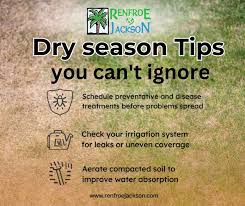
Aerating is key to strong roots and good water soaking. It means poking little holes in the lawn so air, water, and nutrients get to the roots better. Doing this in spring or autumn, when grass is growing, works best.
Picking the right grass that suits your soil also makes your lawn healthier. Taking care of your soil not only makes it look good but also keeps pests and weeds away, keeping your lawn lively for a long time.
Mowing Techniques
Mowing your lawn correctly is super important for keeping it looking lush and green. Make sure your mower’s blades are set just right.
For most cool-weather grasses, cutting them down to about 2.5 to 3 inches is usually spot on. This helps your grass grow strong and keeps weeds away. Cutting it too short can stress the grass out, making it easier for bugs and diseases to mess things up.
Regular mowing is key, but try not to chop more than a third off the top each time. This keeps your grass happy and healthy. Keep those mower blades sharp too, so the cuts are clean and less damaging.
Changing up your mowing direction now and then can stop the soil from getting too packed down, letting roots dig deeper. And don’t just toss those clippings—they’re great as a natural fertiliser.
To give your lawn a break, try mowing in the early morning or later in the afternoon when the sun’s not blazing.
Watering Practices
To keep your lawn looking great, it’s super important to water it the right way. Go for deep but less frequent watering so the roots grow strong. Early mornings are the best time ’cause it’s cooler and less water evaporates.
Change up your watering habits as the weather and seasons change. If it’s really rainy, you might not need to water at all. A rain gauge can help you track how much water your lawn’s getting; aim for about an inch a week.
To save water, think about using a drip system or soaker hoses to get water right to the roots. Water in short bursts to avoid runoff and make sure it soaks in well.
Keep an eye out for signs like yellow or droopy grass that show you’re watering too much or too little. By tuning into what your lawn needs, it’ll stay lush and healthy all year round.
Fertilisation Schedule
Fertilising your lawn is super important to keep it looking green and healthy. To get it right, you should know what your soil and grass need.
Doing a soil test helps you figure out what nutrients are missing. A balanced, slow-release fertiliser is usually the way to go since it gives your lawn a steady dose of nutrients over time, helping it grow strong. It’s best to fertilise in spring and autumn when the grass is really growing.
Using a spreader makes sure the fertiliser is spread out evenly, so you don’t get burnt or patchy spots. If you’re into eco-friendly stuff, using organic things like compost or old manure is great. It boosts the soil naturally and cuts out the chemicals.
Also, don’t forget to check local rules about using fertilisers to avoid polluting water and keep things safe. By giving your lawn exactly what it needs, you can turn it into a nice, green space.
Weed Control
Keeping weeds under control is crucial for a lovely lawn. A thick, healthy lawn naturally keeps weeds away because they don’t have space or nutrients to thrive. If a few do sprout, just pull them out by the roots to stop them from returning.
Mulching your garden beds is another handy trick—it blocks sunlight and prevents weeds from growing. For stubborn weeds, try pre-emergent weed killers early in the season, and don’t forget to follow the package instructions.
If the problem feels overwhelming, many homeowners also rely on professional lawn care services to manage weeds safely and effectively.
If you’re keen on eco-friendly options, consider using vinegar or corn gluten meal to tackle weeds without harming the environment. Mix these tips, and you’ll soon enjoy a weed-free lawn!
Pest Management
Lawn pests can be a real pain if you don’t deal with them right. Keep an eye on your lawn for any weird patches or droopy grass, as spotting these early helps stop pests from taking over.
Try using natural stuff like neem oil or insecticidal soap to fight them off without using strong chemicals. It’s better for the planet and keeps your grass healthy. You can also invite friendly bugs like ladybirds to your garden since they munch on pests and help keep them under control.
If you know when pests are weakest, you can tackle them more effectively. Making sure your lawn gets the right amount of water and nutrients also makes it less attractive to pests.
Mixing these methods, known as Integrated Pest Management (IPM), gives you a smart, eco-friendly way to manage your lawn. With these tips, you can have a lush, pest-free lawn in no time.
Seasonal Care
Adjusting lawn care as the seasons change is super important if you want a lawn that’s strong and lively.
Spring Tasks
Spring’s all about waking up and growing. Punching holes in the soil lets air, water, and food reach the roots, helping them grow better. It’s also a great time to plant new grass in bare spots and spread a bit of fertiliser to give the lawn a little springtime pep.
Summer Precautions
Summer can get hot and dry, so deep watering is key for strong roots. Keep mowing, but don’t cut the grass too short to keep it from stressing out. Keep an eye out for signs of heat stress and tweak your watering as needed to keep the lawn happy.
Autumn Preparations
In autumn, it’s time to get ready for winter. Fertiliser helps the grass toughen up for the cold, and aerating helps loosen the soil for better root health. These steps get your lawn ready to face winter.
Winter Care
In winter, the lawn takes a break. Try not to walk on it too much to avoid damage, and keep it clear of leaves and stuff to keep it healthy. Be careful with snow and frost to keep yourself safe.
By paying attention to how the seasons change and tweaking your lawn care as needed, your lawn can stay healthy and strong all year round. Looking after it seasonally means it’ll thrive no matter what the weather throws at it.
Conclusion
Looking after your lawn keeps it green and healthy, benefiting your home and the planet. Take care of the soil, mow at the right height, and water wisely to help your grass thrive. Add regular feeds, keep weeds under control, and tackle pests early to maintain your lawn’s top condition.
Adapt these habits with the changing seasons to ensure your lawn stays strong and beautiful all year round. Not only will your home look better, but you’ll also support local wildlife and reduce carbon emissions.
Try these simple tips and transform any lawn into a lush, green space that boosts your property’s value while helping the environment.