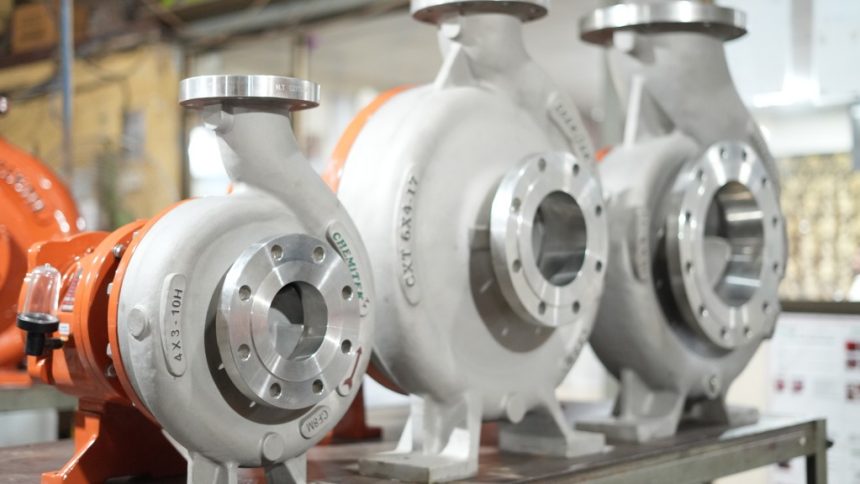
Handling nitric acid is one of the toughest challenges for any industrial plant. This acid reacts fast, corrodes metal aggressively, and releases fumes that damage seals and hardware. Reliability teams working with nitric acid pumps understand the stakes well. A minor error in pump design or metallurgy can trigger leaks, downtime, safety risks, and high maintenance costs.
Process engineers want equipment that remains stable despite oxidising strength, temperature spikes, and vapour exposure. They need pumps that protect seals, maintain flow, and resist metal attack. Chemitek builds nitric acid pumps with these real conditions in mind. The goal is simple: make pumping predictable, safe, and reliable under the harshest acidic environments.
Why Nitric Acid Handling Requires Specialised Pump Design
The Aggressive Nature of Nitric Acid
Nitric acid is a strong oxidiser. It reacts with metal faster than most industrial acids. Even a small concentration change affects the corrosion rate. Temperature also speeds up this reaction. These conditions weaken the pump metal quickly.
Vapours add another challenge. Nitric acid vapours attack seals, sleeves, and hardware. Pumps without proper alloys or seal faces fail early. This is why metallurgy and sealing systems matter so much in nitric acid applications.
Operational Risks Faced by Industrial Plants
Plants handling nitric acid often face:
- Rapid corrosion of casings
- High seal failure rates
- Sudden leakage due to acid vapours
- Flow instability during mixing or dosing
- Increased shutdown frequency
A pump failure with nitric acid is never a small issue. It affects staff safety and production stability. Chemitek designs solutions to avoid these risks.
Understanding How Nitric Acid Reacts With Pump Materials
Why Standard Stainless Steel Grades Struggle
CF8M and CF3M handle many acids well. But nitric acid behaves differently. Its oxidising property breaks down the passive layer on standard stainless steel. Once the layer weakens, corrosion spreads.
High temperatures make the attack even faster. Many pumps fail because they rely on standard stainless steel grades for nitric acid systems. This approach rarely works for long.
Materials That Perform Better with Nitric Acid
Better choices exist for nitric acid duties:
| Material | Strength in Nitric Acid Use | Best Application |
| Higher Alloy Stainless Steel | Strong resistance to oxidising acids | Strong nitric acid at moderate temperature |
| Duplex | Good resistance and strength | Nitric acid with impurities or chlorides |
| Super Duplex | Excellent resistance | High concentration of nitric acid at a higher temperature |
| PVDF | Great for specific nitric acid concentrations | Dosing, reagent handling, sensitive streams |
Chemitek selects materials only after reviewing the actual plant chemistry.
Key Failure Modes Seen in Nitric Acid Pumps
Uniform Corrosion Across Wetted Surfaces
Nitric acid creates steady, even metal thinning. Pumps lose strength with each cycle. This leads to casing failures if ignored.
Stress-Assisted Corrosion
Heat, vibration, and pressure speed up corrosion. This combination damages metal faster than uniform attack alone.
Seal and O-Ring Degradation
Nitric acid vapours penetrate elastomers. Many common seal materials crack or soften. Vapour attack is often the real cause behind frequent leaks.
Proper seal material selection is critical for safety.
How Chemitek Designs Pumps for Nitric Acid Applications
Metallurgy Selection Based on Concentration and Temperature
Chemitek studies the exact nitric acid properties before selecting material:
- Concentration
- Temperature range
- TDS levels
- Impurities
- Presence of vapours
Each factor changes how metal reacts. Material choice must be tailored to these conditions. This ensures long-term pump life and stable operation.
Precision Castings to Reduce Weak Zones
Weak zones increase corrosion. Chemitek avoids this with one-piece castings. This eliminates crevice-prone areas. Smooth surfaces help reduce turbulence and stress.
Better castings mean better resistance to acid attack.
Surface Treatment Options for Better Protection
For strong nitric acid streams, Chemitek adds protective layers. These include:
- Epoxy coatings
- Polymer linings
- Thin barrier surfaces
These treatments reduce direct metal contact with the acid. This improves pump durability.
Safety Measures Built Into Chemitek’s Nitric Acid Pumps
Seal Systems Designed for Oxidising Fluids
Chemitek uses seal faces that withstand oxidising reactions. Strong materials include:
- Silicon carbide
- Ceramic-based faces
- PTFE applications
These resist vapour attack. They also reduce leak risk significantly.
Shaft Sleeves and Hardware Resistant to Acid Fumes
Nitric acid fumes corrode hardware fast. Chemitek uses high-alloy sleeves and strong metal fasteners. This protects the shaft and extends seal life.
Balanced Hydraulics to Avoid Hot Spots
Heat increases corrosion. Chemitek designs smooth hydraulic paths. This reduces turbulence and avoids hot spots inside the pump. Balanced hydraulics keep temperatures stable and reduce metal stress.
Industries That Depend on Reliable Nitric Acid Pumps
Chemical Manufacturing
Nitric acid is used in mixing, washing, and extraction. Plants need pumps that survive strong acid exposure without losing thickness or stability.
Water Treatment
Nitric acid is used for pH adjustment. Dosing pumps face frequent starting cycles and vapour exposure. Chemitek pumps handle these tasks well.
Pharma and Biotech
Dosing, cleaning, and reagent handling require strong chemical resistance. These systems demand safe and stable pumps.
Fertiliser Production
Nitric acid plays a key role in fertiliser processes. Pumps in these systems must handle constant exposure and high temperature.
Performance Benefits of Using Chemitek’s Nitric Acid Pumps
Longer Equipment Life in Harsh Conditions
Correct metallurgy and protective coatings help pumps stay strong. They maintain thickness and shape for longer periods.
Lower Seal and Bearing Failures
Better seals and sleeves mean fewer leaks. This lowers downtime. It also reduces bearing stress.
Consistent Duty Point Performance
Even in corrosive conditions, Chemitek pumps maintain stable efficiency. They meet the expected flow and pressure without major drift.
Choosing the Right Nitric Acid Pump for Your Application
Key Parameters to Review
Before selecting a pump, review:
- Nitric acid concentration
- Operating temperature
- Flow rate
- Pressure
- Vapour exposure
- Impurities
These factors affect metal behaviour.
How Chemitek Guides Material and Seal Selection
Chemitek supports each plant with:
- Fluid chemistry study
- Metallurgy guidance
- Seal face selection
- Sleeve and coating recommendations
This ensures the pump fits the actual application.
Conclusion — Chemitek Builds Nitric Acid Pumps for True Industrial Conditions
Nitric acid handling requires precision. The wrong pump can fail within months. The right pump can run for years with minimal issues. Chemitek understands the harsh behaviour of nitric acid and engineers pumps that stay stable under extreme conditions.
Material selection, strong castings, balanced hydraulics, and protective layers make Chemitek’s nitric acid pumps reliable for continuous use. Industries trust these pumps because they are built for real plant chemistry, not guesses.
Chemitek pumps help teams reduce downtime, lower maintenance stress, and improve safety in acid-heavy applications. When conditions are extreme, Chemitek ensures stability.
FAQs
1. Which material works best for pumping strong nitric acid?
Material choice depends on acid strength and temperature. Super Duplex and specific high-alloy steels work best for strong nitric acid. PVDF suits certain controlled concentrations.
2. Why do seals fail so often with nitric acid?
Nitric acid vapours attack elastomers and seal faces. Using incorrect seal materials causes early leaks. Chemitek selects seal faces designed for oxidising acids.
3. Can standard stainless steel pumps handle nitric acid safely?
Not for long. CF8M and CF3M often corrode rapidly in strong nitric acid. Better alloys or PVDF are needed depending on the concentration.
4. How does temperature affect pump corrosion with nitric acid?
Higher temperature increases reaction speed. Hot nitric acid damages metal much faster. Material choice must account for peak temperature.
5. What makes Chemitek pumps suitable for nitric acid applications?
Chemitek studies actual acid chemistry, selects correct metallurgy, designs strong castings, and uses seals built for oxidising fluids. This ensures long-term safety and reliability.