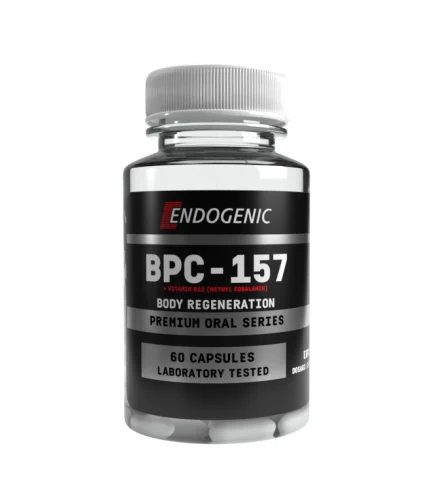
BPC 157: An In-Depth Informational Guide to Healing, Recovery, and Biological Repair
As interest in advanced recovery solutions continues to grow, Bpc 157 has established itself as one of the most widely discussed peptides in modern wellness and performance communities. This growing attention is not accidental. It reflects a shift away from short-term symptom relief and toward long-term healing strategies that work in harmony with the body’s natural systems.
This article is written as a complete informational guide to Bpc 157. It is designed to educate, clarify, and build trust by explaining what bpc 157 is, why it matters, how it works, and how it is commonly approached in responsible recovery-focused use. The goal is not promotion or exaggeration, but understanding.
Understanding BPC 157 in a Broader Context
Bpc 157, known as Body Protective Compound, is a synthetic peptide modeled after a sequence naturally present in the body’s protective gastric system. Its origin is central to its identity. Rather than being designed to stimulate or suppress aggressively, Bpc 157 functions as a regulatory and signaling compound.
This signaling role allows Bpc 157 to support multiple biological processes related to healing and stability. Instead of targeting one isolated symptom, it is often explored for its ability to improve the overall conditions required for repair. This multi-system influence is why Bpc 157 is discussed across injury recovery, digestive health, inflammation management, and general physical resilience.
Healing as a Biological Process, Not a Shortcut
To appreciate the relevance of Bpc 157, it is important to understand how healing actually occurs. Healing is not a single reaction. It is a coordinated biological process involving circulation, immune response, cellular communication, nutrient delivery, and time.
When any part of this system is compromised, healing slows. Modern lifestyles frequently disrupt these processes through chronic stress, poor sleep, nutritional imbalance, repetitive physical strain, and digestive issues. Over time, the body enters a state where it manages damage instead of resolving it.
Bpc 157 is often explored as a supportive tool in this environment because it addresses several of these underlying limitations simultaneously.
Cellular Signaling and Tissue Regeneration
One of the defining characteristics of Bpc 157 is its association with cellular communication. Cells rely on precise signals to initiate and coordinate repair. When signaling becomes weak or disorganized, tissues may fail to regenerate properly.
Bpc 157 is commonly described as supporting these communication pathways. By reinforcing repair signals, it helps injured tissues re-enter a regenerative state. This is particularly relevant in chronic conditions where the body has adapted to damage rather than corrected it.
Over time, improved signaling can contribute to stronger tissue structure and reduced vulnerability to reinjury.
Circulation and the Role of Blood Flow in Recovery
Blood flow is one of the most critical yet overlooked elements of healing. Oxygen, nutrients, and repair factors must reach damaged tissue for regeneration to occur. Tissues with limited circulation, such as tendons and ligaments, heal slowly for this reason.
Bpc 157 is frequently discussed for its support of angiogenesis, the formation of new blood vessels. Improved circulation enhances nutrient delivery and waste removal at injury sites, creating a more favorable environment for recovery.
Rather than forcing rapid change, this process supports gradual and sustainable healing.
Inflammation: Resolution Instead of Suppression
Inflammation is essential for healing, but chronic inflammation creates barriers to recovery. Many traditional approaches aim to suppress inflammation entirely, which may reduce pain but interfere with repair.
Bpc 157 is often approached with a different philosophy. Instead of suppressing inflammation, it supports resolution. By improving circulation and stabilizing tissue, the body is better able to complete the inflammatory phase and move into regeneration.
This distinction is important for individuals seeking long-term recovery rather than temporary relief.
Why BPC 157 Is Widely Explored in Injury Recovery
Persistent injuries are a common frustration. Many people follow rehabilitation programs, rest appropriately, and still experience recurring pain or instability. This often happens because tissue heals incompletely.
Bpc 157 is explored in these cases because it supports deeper healing mechanisms. Rather than masking discomfort, it addresses circulation, signaling, and tissue integrity.
Over time, users often report gradual improvements such as reduced stiffness, better mobility, and increased confidence in previously injured areas.
Connective Tissue and Structural Integrity
Connective tissues play a crucial role in movement and stability. Tendons, ligaments, and cartilage absorb stress and transmit force. When these tissues are compromised, the entire musculoskeletal system is affected.
Bpc 157 is commonly discussed for connective tissue support because it targets the slow-healing nature of these structures. By enhancing blood flow and repair signaling, it helps restore tissue quality rather than simply reducing pain.
This makes it relevant for joint discomfort, repetitive strain injuries, and long-standing musculoskeletal issues.
Muscle Recovery and Performance Sustainability
Muscle recovery depends on more than rest. It requires efficient circulation, nutrient delivery, and controlled inflammation. Bpc 157 is often explored by active individuals seeking smoother recovery between training sessions.
Over time, improved recovery may lead to reduced soreness, better endurance, and more consistent performance. These benefits accumulate gradually and support long-term progress rather than short bursts of improvement.
Digestive Health as a Foundation for Healing
Digestive health influences nearly every aspect of recovery. Nutrient absorption, immune function, hormone balance, and inflammation are all tied to gut integrity.
Because Bpc 157 originates from a compound associated with gastric protection, it is frequently explored for digestive support. By supporting the stomach lining and intestinal barrier, it may help reduce irritation and improve digestive comfort.
A healthier digestive system often leads to better energy levels, improved sleep, and enhanced recovery throughout the body.
Systemic Recovery and Whole-Body Balance
While many focus on localized injuries, Bpc 157 is also explored for systemic recovery. Systemic recovery refers to the body’s overall ability to adapt, repair, and maintain balance under stress.
Chronic fatigue, widespread inflammation, and slow recovery are signs that systemic balance is compromised. Bpc 157 is often discussed as a supportive compound for restoring this balance by improving circulation and reducing underlying stress signals.
This broad applicability is one reason Bpc 157 is relevant beyond athletics.
Neurological Stability and Mental Clarity
The nervous system is deeply interconnected with physical health. Pain, inflammation, and poor sleep place continuous stress on neurological function.
Some individuals using Bpc 157 report improvements in focus, emotional stability, and stress tolerance. These effects are typically indirect, resulting from reduced physical stress and improved recovery quality.
As the body stabilizes, the nervous system often follows.
Dosage Philosophy and Structured Use
Responsible use of Bpc 157 emphasizes structure rather than excess. The focus is on consistent application over defined periods, aligned with specific goals.
For localized recovery, moderate daily use over several weeks is common. For digestive or systemic support, longer cycles with oral use are often discussed.
The guiding principle is patience. Healing is cumulative, and results are best evaluated over time rather than day-to-day sensations.
Methods of Administration Explained
The choice between oral and subcutaneous use of Bpc 157 depends on the desired outcome.
Oral use is commonly chosen for digestive and systemic goals due to its stability in the stomach environment. Subcutaneous use is often preferred for targeted injury support where localized delivery is beneficial.
Understanding this distinction allows for more intentional and effective use.
Safety, Tolerance, and Responsible Perspective
Bpc 157 is generally regarded as well tolerated when used thoughtfully. Most individuals report minimal side effects, particularly when beginning with conservative amounts.
Mild effects such as temporary fatigue or localized irritation may occur but typically resolve quickly. Respect for the compound and attention to bodily feedback are essential.
Bpc 157 should be viewed as a supportive tool, not a replacement for healthy habits or professional care.
Managing Expectations for Long-Term Success
A critical aspect of using bpc 157 is managing expectations. It is not an instant solution, and it does not replace sleep, nutrition, movement, or rehabilitation.
Its value lies in supporting the conditions required for healing to progress more efficiently. The most meaningful benefits often appear gradually and continue to build over time.
Frequently Asked Questions About BPC 157
How long does it take to see results?
Some individuals notice early changes within one to two weeks, while deeper improvements may take longer depending on the goal.
Is Bpc 157 suitable for beginners?
Yes, many people start with conservative approaches and evaluate their response before extending use.
Can Bpc 157 be used alone?
Yes, it is often used independently to clearly assess its effects.
Is Bpc 157 a replacement for medical treatment?
No. It is a supportive compound and should be approached responsibly.
Final Authority Perspective on BPC 157
The continued interest in bpc 157 reflects a broader evolution in recovery philosophy. People are increasingly prioritizing sustainable healing, biological balance, and long-term function over short-term symptom relief.
Bpc 157 is not a cure-all, but it represents a thoughtful approach to recovery that aligns with the body’s natural repair systems. When used responsibly, it can support healing, improve recovery efficiency, and contribute to long-term physical resilience.
For individuals seeking a deeper, more sustainable approach to recovery and wellness, Bpc 157 stands as a compelling topic of exploration grounded in biological logic rather than quick fixes.