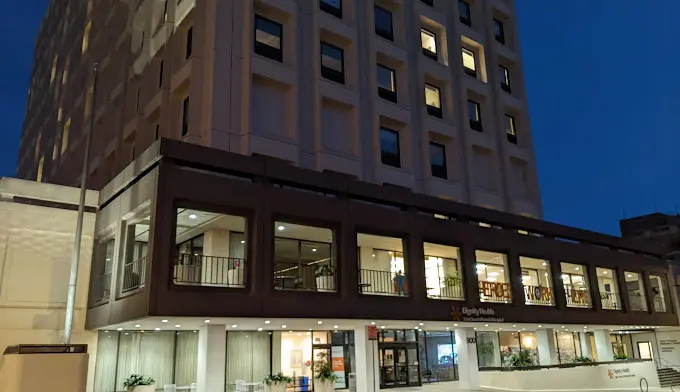
Mental health challenges can affect anyone, regardless of age, background, or success. Anxiety, depression, trauma, bipolar disorder, and other complex conditions often require more than occasional therapy sessions. In many cases, individuals need structured, immersive care in a safe and supportive setting. That is where a Residential Mental Health Clinic in San Francisco becomes a life-changing resource for individuals and families seeking stability and healing.
When symptoms begin to interfere with work, relationships, or daily responsibilities, it may be time to consider a higher level of care. A Residential Mental Health Clinic in San Francisco provides twenty-four-hour support in a therapeutic environment designed to promote emotional growth and long-term recovery. Unlike outpatient services, residential treatment removes daily stressors and distractions, allowing individuals to focus fully on their mental health.
For those searching for trusted care options, exploring a Residential Mental Health Clinic in San Francisco can be the first meaningful step toward lasting wellness. Early intervention often leads to better outcomes, especially when treatment is personalized and comprehensive.
Understanding the Need for Residential Mental Health Care
Mental health conditions rarely develop overnight. Often, they build gradually, fueled by stress, unresolved trauma, genetic predisposition, or significant life transitions. Although weekly therapy can be effective for mild to moderate concerns, more severe or persistent symptoms may require a higher level of support. In these situations, a Residential Mental Health Clinic in San Francisco offers structured programming that addresses emotional, psychological, and behavioral needs simultaneously.
Moreover, residential treatment provides consistency. Clients follow a daily schedule that includes individual therapy, group counseling, psychiatric support, and skill-building sessions. This routine fosters accountability while reinforcing healthy habits. Because treatment occurs in a supportive community, individuals also benefit from peer encouragement and shared understanding.
Additionally, the immersive environment allows clinicians to observe patterns and triggers more closely. As a result, treatment plans can be adjusted in real time. This level of attentiveness often leads to deeper breakthroughs than traditional outpatient settings.
What Makes Residential Treatment Effective?
One of the key strengths of a Residential Mental Health Clinic in San Francisco lies in its integrated approach. Rather than focusing on a single symptom, clinicians evaluate the whole person. Emotional health, physical wellness, social relationships, and lifestyle habits are all considered during assessment and treatment planning.
Furthermore, evidence-based therapies form the foundation of care. Cognitive behavioral therapy helps individuals identify and reframe negative thought patterns. Dialectical behavior therapy teaches emotional regulation and distress tolerance. Trauma-informed approaches support those recovering from past abuse or significant loss. Because treatment is individualized, each person receives a plan tailored to their diagnosis and personal goals.
In addition, psychiatric support ensures that medication management is carefully monitored. When necessary, adjustments can be made quickly and safely. This integrated model strengthens stability and reduces the risk of relapse after discharge.
A Healing Environment in San Francisco
Location can play an important role in recovery. The peaceful setting often associated with a Residential Mental Health Clinic in San Francisco provides an ideal backdrop for healing. Surrounded by natural beauty, calming landscapes, and a culture that values wellness, individuals can step away from high-stress environments and reconnect with themselves.
San Francisco is known for its progressive approach to health care and mental wellness. Consequently, treatment centers in the area often emphasize inclusivity, cultural sensitivity, and holistic support. Clients from diverse backgrounds feel welcomed and understood, which enhances engagement in therapy.
Moreover, residential programs in this region frequently incorporate experiential therapies such as mindfulness practices, art therapy, movement-based sessions, and guided outdoor activities. These approaches complement traditional psychotherapy by helping individuals process emotions in creative and embodied ways.
Who Can Benefit from Residential Care?
Although every situation is unique, several signs may indicate that residential treatment is appropriate. When symptoms persist despite outpatient therapy, when safety becomes a concern, or when daily functioning declines significantly, a Residential Mental Health Clinic in San Francisco may provide the necessary level of care.
Individuals struggling with severe depression may find it difficult to get out of bed or maintain employment. Those with anxiety disorders might experience constant panic that disrupts relationships and responsibilities. Similarly, unresolved trauma can lead to flashbacks, avoidance behaviors, and emotional numbness. In each of these cases, immersive treatment offers consistent support and targeted interventions.
Family members often notice changes before the individual does. Therefore, open communication about concerns can encourage earlier intervention. With compassionate guidance, families can become active participants in the recovery process.
The Structure of Daily Life in Residential Treatment
Structure plays a critical role in emotional stability. Within a Residential Mental Health Clinic in San Francisco, each day typically follows a carefully designed schedule. Morning sessions may include goal setting and mindfulness exercises to establish focus. Throughout the day, clients participate in therapy groups that address coping strategies, emotional regulation, communication skills, and relapse prevention.
Individual therapy sessions allow for deeper exploration of personal experiences and challenges. Meanwhile, psychiatric appointments ensure ongoing assessment and medication support when needed. In the evenings, reflection activities and wellness practices help reinforce the skills learned earlier in the day.
Because routines reduce uncertainty, clients often report feeling safer and more grounded. Over time, these habits become internalized, supporting long-term resilience beyond the residential setting.
The Importance of Personalized Treatment Plans
No two mental health journeys are identical. For this reason, a Residential Mental Health Clinic in San Francisco emphasizes individualized care from the very beginning. Comprehensive assessments evaluate mental health history, trauma exposure, medical conditions, and personal strengths.
Based on this information, clinicians develop a customized treatment plan. Goals may include reducing depressive symptoms, improving emotional regulation, rebuilding self-esteem, or strengthening interpersonal relationships. Progress is reviewed regularly, and adjustments are made as needed.
Importantly, clients remain active participants in their treatment. By collaborating with therapists and psychiatrists, individuals gain a sense of ownership over their recovery. This empowerment fosters confidence and motivation throughout the healing process.
Transitioning Back to Daily Life
While residential care provides intensive support, preparing for life after treatment is equally essential. A Residential Mental Health Clinic in San Francisco typically incorporates discharge planning well before completion of the program. Aftercare plans may include outpatient therapy, support groups, medication management, and continued skill building.
Because relapse prevention is a central focus, clients learn to identify triggers and implement coping strategies proactively. They also develop communication tools that strengthen relationships at home and work. With a strong support system in place, the transition becomes smoother and more sustainable.
Moreover, many programs maintain alumni networks that offer ongoing encouragement. Staying connected to peers who share similar experiences can reinforce accountability and hope.
Breaking the Stigma Around Residential Treatment
Despite growing awareness, stigma surrounding mental health treatment still exists. Some individuals hesitate to seek residential care because they fear judgment or misunderstanding. However, choosing a Residential Mental Health Clinic in San Francisco is not a sign of weakness. Instead, it reflects courage and commitment to personal growth.
Just as people seek specialized treatment for physical conditions, comprehensive mental health care should be viewed as an essential part of overall wellness. When communities embrace open conversations about emotional well-being, barriers to treatment begin to dissolve.
Furthermore, early intervention can prevent more serious complications. By addressing symptoms proactively, individuals reduce the risk of hospitalization, substance misuse, and long-term impairment.
A Path Toward Lasting Wellness
Recovery is rarely linear. There may be setbacks, challenges, and moments of doubt. Nevertheless, with the right support system, sustainable healing is possible. Through compassionate therapy, structured routines, and holistic practices, a Residential Mental Health Clinic in San Francisco creates a foundation for lasting transformation.
Individuals who once felt overwhelmed by anxiety or depression often rediscover clarity and purpose. They learn practical coping tools, rebuild confidence, and strengthen relationships. Most importantly, they gain hope for the future.
If you or someone you love is searching for comprehensive care, consider taking the next step toward healing. With dedication and professional guidance, meaningful change can begin today. At the heart of this journey, San Francisco Mental Health remains committed to providing empathetic, evidence-based support within a trusted Residential Mental Health Clinic in San Francisco.