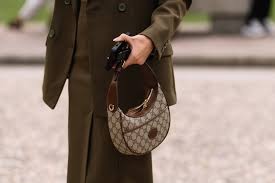
Not all handbags are investments. The secondary market is full of designer pieces that lost value the moment they left the boutique and have not recovered it since. However, a specific category of bags has done something quite different – appreciated steadily, outperformed many traditional asset classes over the past decade, and attracted serious capital from buyers who think about fashion the way others think about art.
Collectors at every stage will find that sourcing luxury vintage designer handbags through specialist curated channels dramatically reduces the risk of misrepresented or overpriced pieces. Understanding which bags belong in the investment category – and why – requires looking at the market with clarity rather than brand loyalty.
Why Some Bags Appreciate and Others Don’t
The bags that appreciate share three qualities: constrained supply, sustained demand, and recognised cultural significance. Supply constraint is the most critical variable. A bag produced in the thousands every season has no scarcity premium. A bag from a single season, a limited run, or an era that the brand no longer replicates carries genuine scarcity.
Sustained demand means the bag must appeal to buyers across multiple generations – not just to those who remember the original cultural moment. The Hermès Birkin appeals to buyers in their twenties who have never worn a piece from any of the decades in which the bag was first established. That cross-generational demand separates a true investment piece from a nostalgic fashion cycle.
Cultural significance is the hardest to quantify but the easiest to recognise. The bags that matter carry a documented place in fashion history – worn by specific people at specific moments, photographed in specific contexts, and cited repeatedly in the cultural record. That documentation creates a floor under the price that pure aesthetic appeal alone cannot sustain.
Hermès as the Benchmark
The Birkin and the Kelly are the benchmarks against which all other investment handbags are measured. Both have appreciated dramatically and consistently over the past twenty years. A standard leather Birkin 30 purchased in 2005 for retail price would be worth multiple times that figure in good condition today. Exotic skin examples – crocodile, ostrich, Himalayan niloticus crocodile – have appreciated even more dramatically.
The investment case for Hermès rests on two pillars: the deliberately constrained production system and the house’s refusal to discount. Hermès bags do not go on sale. They are not easily available at retail unless you have an established relationship with a specific sales associate. That institutional scarcity is not accidental – it is the deliberate foundation of the brand’s secondary market premium.
For vintage specifically, pre-2000 Hermès in box calf leather represents some of the most collectible material in the market. The leather quality of earlier production is widely considered superior to current output, and the hardware on pre-1990 pieces has a weight and finish that current production rarely matches.
Chanel’s Price Trajectory
Chanel has raised its retail prices aggressively and repeatedly since 2020, bringing the Classic Flap to price points that were unthinkable a decade ago. Those retail increases have pushed secondary market prices upward in parallel, creating a situation where a well-documented vintage Classic Flap from the 1980s or 1990s trades at a meaningful premium over a comparable new piece from the current collection.
The 2.55 in its original configuration – the Mademoiselle lock, the flat chain strap, the burgundy lining – is the most collectible and most documented Chanel bag in the vintage market. Earlier examples with dateable characteristics command the highest prices, particularly when accompanied by the original authentication card and in strong original condition.
Seasonal Chanel pieces from high-visibility collections also appreciate. The tweed bags from Karl Lagerfeld’s mid-1990s shows and the runway pieces from the Paris-themed collections of the early 2000s carry a narrative specificity that makes them more interesting to serious collectors than standard production.
Louis Vuitton Limited Editions
Standard Louis Vuitton production does not appreciate in the same way that Hermès and Chanel do. However, the limited edition and artist collaboration pieces from the early 2000s have performed exceptionally. The Stephen Sprouse Graffiti from 2001, the Takashi Murakami Multicolore from 2003, the Richard Prince collaboration from 2008, and the Yayoi Kusama pieces from 2012 all command significant secondary market premiums.
The rule for Louis Vuitton investment pieces is straightforward: standard Monogram canvas production holds value but does not dramatically appreciate, while limited editions and artist collaborations in excellent condition have shown strong appreciation curves that parallel the broader archive market.
The Dark Horse Categories
Beyond the established names, certain categories have emerged as strong performers in recent years. Vintage Bottega Veneta from the pre-2019 Tomas Maier era – the understated, woven intrecciato pieces – has risen sharply as collectors discovered them ahead of the general market. Pre-Phoebe Philo Celine, particularly the Luggage Tote and the Box Bag from her tenure between 2008 and 2018, has appreciated dramatically from secondary market prices that were very low as recently as 2021.
Vintage Alaïa bags from the 1980s and early 1990s remain undervalued relative to the cultural significance of the work. As Alaïa’s critical reputation has grown – accelerated by the retrospective exhibition at the Palais Galliera in 2023 – the secondary market for bags and accessories from his peak years has moved accordingly.
Protecting Your Investment
Storage and maintenance matter significantly for bags held as investments. Keep pieces in their original dust bags and boxes where possible. Stuff bags lightly to maintain structure. Avoid direct sunlight, which damages leather and fades canvas. Have metal hardware polished professionally if it shows significant tarnishing – but avoid aggressive polishing that might remove plating.
Documentation increases value. An original receipt, authentication card, and purchase history make a bag easier to sell and support a higher price. Keep records of any professional restoration work done, including the date, the restorer, and what was addressed. This documentation signals seriousness and care to future buyers.The investment handbag market rewards patience and specificity. Buyers who focus on a defined category, source from credible channels, and hold pieces in strong condition consistently outperform buyers who chase trends or buy broadly. Foundry Vintage is a curated resource for collectors and investors seeking quality vintage handbags with editorial context built in – a focused discovery destination for buyers who want to build serious, long-term archives.