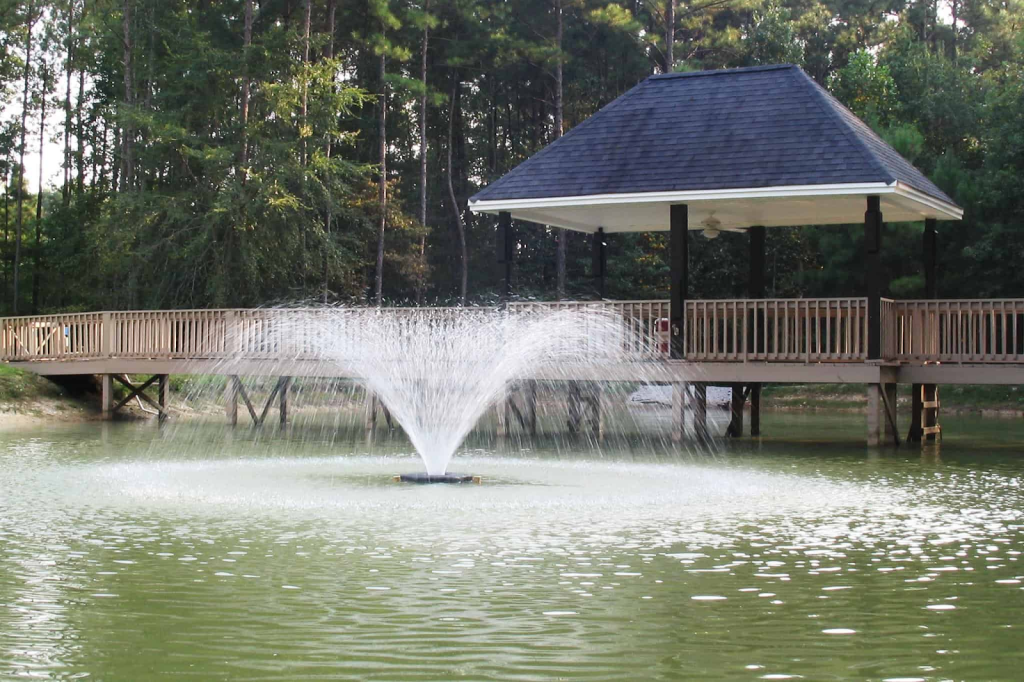
Moving water has a rare ability to draw people in, calm their minds, and make a space feel alive. The flow and sound of water influence how people connect with outdoor environments—inviting them to pause, observe, and engage on a deeper level. In landscape design, motion in water often becomes a silent architect of experience, transforming ordinary surroundings into soulful retreats.
When a pond stays still, it reflects peace, but when it moves, it expresses life. The rhythmic splash and spray of large pond fountains can completely shift how individuals feel in a space. They replace silence with sound, static images with motion, and passivity with curiosity. That subtle combination of movement and sound wraps the environment in a tranquil energy that leaves a lasting impression.
The Psychology of Water in Motion
Flow Awakens the Senses: Moving water can affect the human nervous system by triggering a feeling of serenity. The repetitive sound masks urban distractions, making people feel safer and more focused. The gentle ripples can also calm overstimulated minds, offering a kind of visual therapy that soothes and restores attention.
Movement Draws the Eye: Unlike still water, flowing water never looks the same twice. That quality keeps the human eye searching and engaged. Designers often use motion as a tool to ground people emotionally, inviting them to linger longer in outdoor spaces. It’s a way of turning a backyard or park into a dynamic, living scene.
Instinctive Connection to Flow: People tend to trust moving water because it suggests purity and renewal. This instinctive response ties back to early human associations with clean streams and flowing rivers. In a landscape setting, that same rhythm helps bridge the gap between the modern world and nature’s pace.
Soundscapes That Calm and Captivate
Crafting Tranquility Through Sound: The gentle trickle or layered splash from a fountain forms what experts call a hydrodynamic pattern of sound. This layered distribution helps absorb harsh background noise while introducing soothing tones that encourage rest and reflection. The ear naturally follows these soft patterns, quieting mental clutter.
The Comfort of Continuous Tone: Sounds from water fountains mimic frequencies found in nature that people subconsciously associate with calm. These tones slow heart rates and gently guide breathing patterns. Over time, such ambiance transforms quiet gardens into sensory sanctuaries where people can reset from digital fatigue.
Defining Experience Through Distance: Sound from water varies with distance and space. Close by, it invigorates; from afar, it relaxes. Smartly placed fountains use this property to shape how people move and feel within an area—creating calming zones near the source and peaceful echoes farther away.
Movement That Inspires Attention and Interaction
Why Motion Commands Focus: Water in motion instantly attracts human attention. The way sunlight catches droplets and streams creates a constantly changing display. This natural motion serves both aesthetic and psychological roles, renewing curiosity every few seconds as patterns shift and light refracts.
Social Magnet: In public spaces, moving water becomes a communal anchor. People tend to gather around fountains, using the sound and movement as a backdrop for conversation. Children watch the arcs form and fall, while adults unwind nearby, drawn by rhythm and visual texture.
Encouraging Exploration: Movement fosters interaction. Whether in a backyard pond or civic plaza, flowing water invites closer observation. Designers sometimes use biophilic design strategies—design that emphasizes connections with nature—to enhance this experience. The result is deeper emotional involvement and longer engagement times.
The Emotional Pulse of Outdoor Design
Turning Atmosphere Into Experience: Motion in water influences more than sight and sound—it manipulates mood. Spaces with dynamic water elements feel optimistic and alive, whereas static ponds can feel distant or reflective. The key lies in harmony: a balance of motion that invites participation without overwhelming peace.
Associating Sound With Place: The sound of trickling or splashing water often becomes a mental signature of a location. People remember these auditory experiences long after they’ve left. That emotional recall helps outdoor designers shape places that feel not only beautiful but also memorable and comforting.
Design Strategy: Incorporating motion-based water features can address practical aspects as well. Flowing water improves aeration, preserves pond health, and adds depth through reflected movement. In professional landscaping, it’s a way to merge art with performance, function with ambiance.
Key Benefits of Water Motion in Outdoor Spaces
- Encourages relaxation through rhythmic sound that lowers stress levels.
- Enhances visual depth and creates focal points within garden layouts.
- Improves water quality by maintaining natural circulation and oxygenation.
- Attracts wildlife and supports natural ecological balance in ponds.
- Increases property appeal by turning ordinary spaces into emotional experiences.
A Living Reflection of Movement and Meaning
Water in motion can reshape how people experience their surroundings—it reflects the balance between energy and calm, design and emotion. Whether in residential gardens or public spaces, the presence of moving water transforms perception and encourages mindfulness. For anyone seeking to elevate an outdoor environment, introducing water movement brings a depth of beauty few other elements can match. Take the first step toward designing your ideal outdoor escape and let fluidity shape your vision.