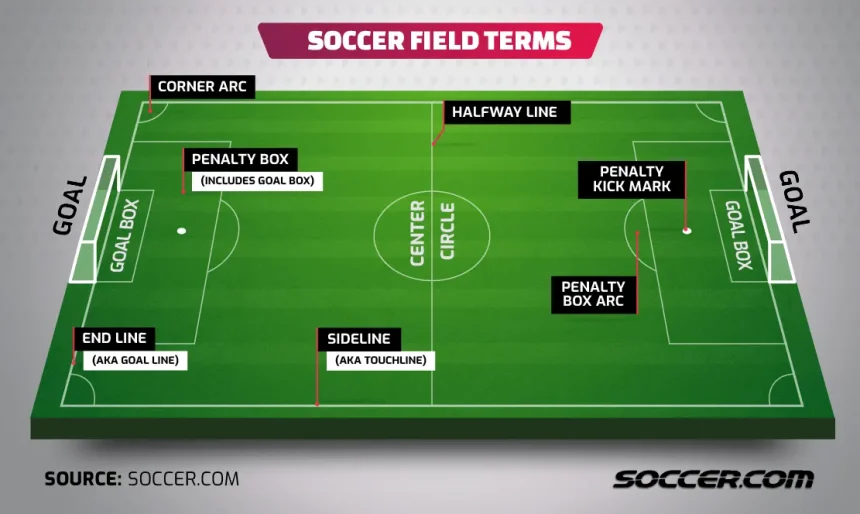
Understanding Football Basics and Why Terminology Matters
Football is one of the most widely followed sports in the world, yet for beginners, the language used in the game can feel confusing at first. From commentators to coaches, everyone uses specific terms that describe actions, strategies, and positions on the field. Learning these terms makes it easier to follow matches, understand tactics, and enjoy the sport at a deeper level. Whether you are watching casually or planning to play, having a clear grasp of football vocabulary will enhance your experience. Platforms like OPEN88 often bring fans closer to the game, but understanding the language is what truly connects you to it.
Key Basic Terms
- Match: A game played between two teams.
- Half: Each match is divided into two halves, typically 45 minutes each.
- Kick-off: The start or restart of the game.
- Ball possession: Control of the ball by a team.
- Referee: The official who enforces the rules.
Common Terms Used During Gameplay
When watching a live match, you will hear commentators use many action-based terms. These describe what players are doing at any moment. Understanding them helps you follow the flow of the game without confusion. These terms often relate to movement, ball control, and transitions between attack and defense.
Gameplay Vocabulary
- Pass: Kicking the ball to a teammate.
- Dribble: Moving with the ball while keeping control.
- Tackle: Attempting to take the ball away from an opponent.
- Cross: A pass sent from the side of the field into the center.
- Through ball: A pass that splits defenders and reaches a teammate.
Offensive Football Terminology Explained
Offense is all about scoring goals and creating chances. Teams use different strategies and movements to break through defenses. Knowing offensive terms helps you understand how teams build attacks and why certain plays succeed or fail.
Offensive Terms
- Shot: An attempt to score a goal.
- Header: Using the head to hit the ball.
- Volley: Striking the ball before it touches the ground.
- Assist: A pass that leads directly to a goal.
- Counterattack: A quick attack after winning possession.
Defensive Terms Every Fan Should Know
Defense is just as important as offense. Teams need to prevent goals while maintaining structure. Defensive terminology explains how teams organize themselves and stop opponents from scoring.
Defensive Vocabulary
- Clearance: Kicking the ball away from danger.
- Marking: Keeping close to an opponent to limit their movement.
- Interception: Cutting off a pass before it reaches its target.
- Block: Stopping a shot from reaching the goal.
- Offside trap: A tactic to catch attackers in an offside position.
Player Positions and Their Roles
Each player on the field has a specific role, and understanding positions is key to following team strategies. Different formations use these roles in unique ways, but the basic responsibilities remain consistent.
Player Positions
- Goalkeeper: Protects the goal and can use hands within the penalty area.
- Defender: Prevents the opposing team from scoring.
- Midfielder: Links defense and attack, often controls the game.
- Forward: Focuses on scoring goals.
- Winger: Plays on the sides and delivers crosses.
Advanced Football Terms for Enthusiasts
As you get more comfortable with football, you will start hearing more advanced terms. These often relate to tactics, formations, and deeper analysis of the game. Fans who understand these concepts can appreciate the strategy behind each match. Many discussions on platforms like OPEN888 revolve around these advanced ideas, making them useful to learn.
Advanced Vocabulary
- Pressing: Applying pressure to regain possession quickly.
- High line: Defenders positioned far up the field.
- False nine: A forward who drops deep to create space.
- Possession play: Maintaining control of the ball for long periods.
- Switch play: Moving the ball from one side of the field to the other.
Set Pieces and Special Situations
Set pieces are moments when the game restarts under specific conditions. These situations often lead to scoring opportunities and require careful planning. Understanding them adds another layer to your football knowledge.
Set Piece Terms
- Free kick: Awarded after a foul.
- Corner kick: Taken from the corner after the ball crosses the goal line.
- Penalty kick: A direct shot from the penalty spot.
- Throw-in: Restart when the ball goes out of bounds on the sideline.
- Goal kick: Taken by the defending team from their goal area.
Conclusion: Mastering Football Terminology for a Deeper Understanding and Long-Term Enjoyment of the Game
Learning football terminology is not just about memorizing words. It is about building a deeper connection with the sport. When you understand the language, matches become more engaging, strategies become clearer, and discussions become more meaningful. Whether you are a beginner or someone looking to refine your knowledge, taking the time to learn these terms will always pay off.
Final Key Takeaways
- Football terminology helps you understand matches better.
- Knowing terms improves your viewing and playing experience.
- Both basic and advanced vocabulary are important over time.
- Consistent learning makes the game more enjoyable.
- Understanding the language connects you with other fans.