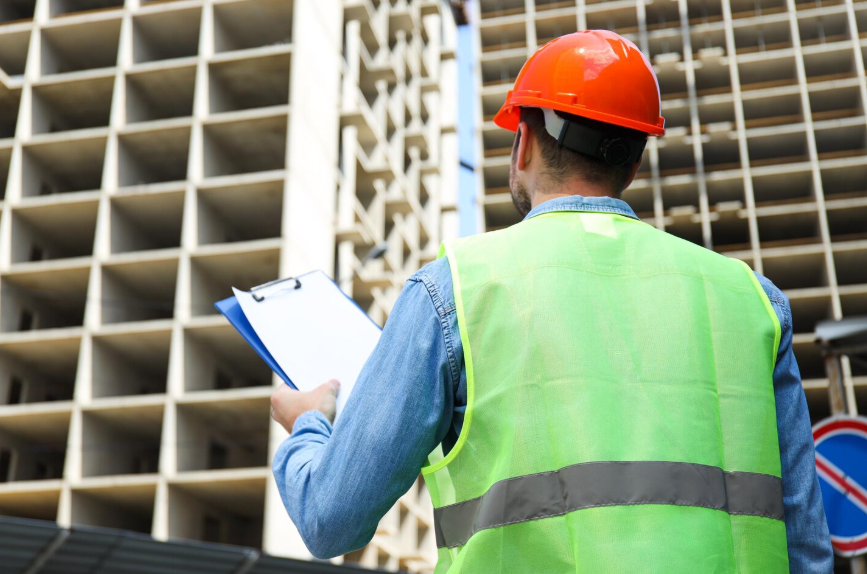
Building inspection is a critical step in the process of buying or maintaining a property. It ensures that the structure is safe and meets all necessary building codes and regulations. For those who value their investment and safety, a building inspection is indispensable.
What is a Building Inspection?
A building inspection involves a thorough examination of the property by a certified inspector. This process includes checking the structural integrity, electrical systems, plumbing, roofing, and more. It is essential to identify any potential issues that could affect the safety or value of the property.
Why is Building Inspection Important?
The primary objective of a building inspection is to ensure the safety and longevity of a building. Early detection of problems can save on future costly repairs and protect inhabitants from potential harm. Inspections are crucial prior to purchasing a property to ensure there are no hidden issues.
Key Components of a Building Inspection
An inspection covers various components of the property, including:
Structural Integrity
Evaluating the structural elements ensures that the building can withstand environmental forces and occupant use. Signs of structural weakness include cracks in walls or foundations.
Roofing
An inspection of the roof checks for damages like leaks or broken tiles, which can lead to significant water damage if not addressed promptly.
Electrical Systems
Ensuring the electrical systems meet current standards is vital for preventing fire hazards and ensuring the safety of electrical installations.
Plumbing
An efficient plumbing system prevents leaks that can cause water damage and mould. Inspections can uncover hidden leaks and faulty installations.
Pest Infestation
A building inspection often includes assessing the property for signs of pest infestations, particularly termites, which can severely damage a building’s structure if left unchecked.
Pre-Purchase Inspections
For potential buyers, a pre-purchase inspection provides comprehensive insight into the property’s condition, allowing informed decisions. It encompasses all the key areas of the building inspection to ensure a sound investment.
Regular Inspections for Property Maintenance
Regular building inspections are not just for prospective buyers. Property owners should routinely check their buildings to prevent minor issues from escalating. Establishing a schedule for inspections can prolong the life of the structure and maintain its value.
Choosing a Qualified Inspector
It is imperative to select a certified and experienced building inspector. Qualifications and experience ensure they can identify subtle issues that might be overlooked by less experienced inspectors.
Common Issues Found During Inspections
Building inspections often reveal common problems such as water damage, foundation issues, roof deterioration, and faulty wiring. Recognising these issues early can save substantial costs and prevent hazard risks.
The Role of Technology in Building Inspections
Modern building inspections leverage technology to enhance accuracy. Tools such as thermal imaging and drone surveys provide insights that traditional methods may miss.
The Financial Implication of Inspections
While inspections might seem costly, they can prevent far more significant expenditures by identifying problems early. Consider it a long-term investment in property safety and value preservation.
Legal Obligations of Property Owners
In many jurisdictions, property owners have a legal duty to ensure their buildings are safe. Regular inspections are part of fulfilling these obligations and can protect owners from liability issues.
Conclusion: Prioritise Building Safety Through Inspections
Conducting regular building inspections is an essential practice in maintaining property safety and value. Whether you are buying, selling, or simply maintaining your property, understanding and utilising comprehensive inspections can safeguard your investment for years to come.