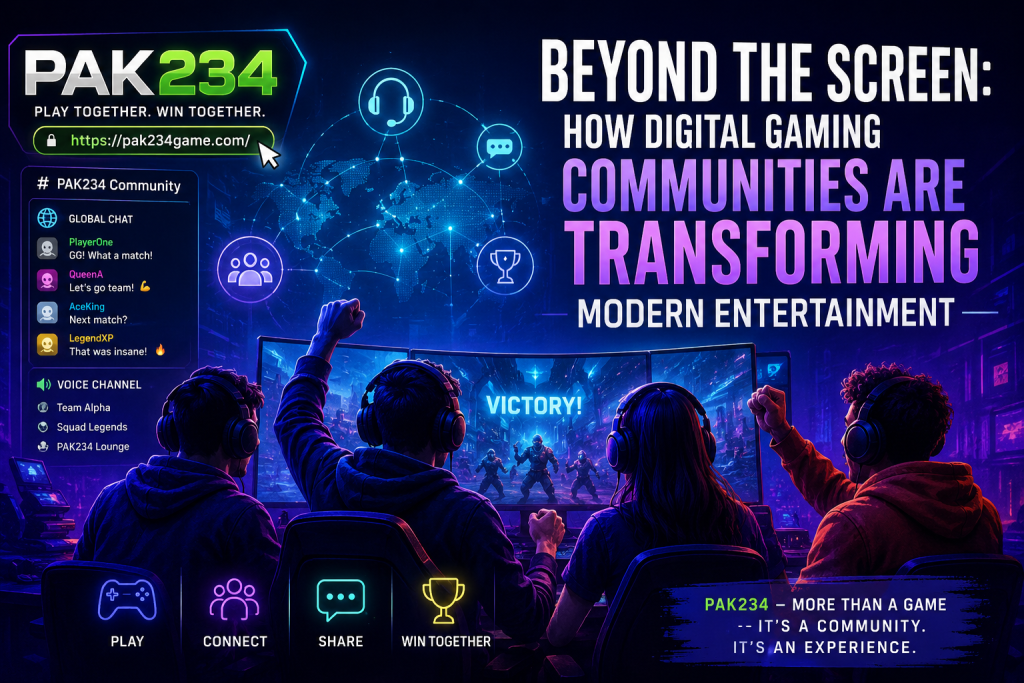
The world of online entertainment has changed rapidly over the past decade. What once started as simple browser-based games and downloadable software has evolved into a global digital culture that connects millions of people every day. Gaming is no longer limited to competition or passing time—it has become a social activity, a creative outlet, and even a lifestyle for many users around the world. Platforms now focus on delivering seamless experiences, interactive features, and mobile accessibility that fit the habits of modern internet users.
As this digital shift continues, platforms such as PAK234 are becoming part of a broader movement that highlights convenience, accessibility, and community-driven entertainment. Instead of relying on traditional methods of entertainment, many users now prefer platforms that allow them to enjoy games anytime and anywhere using their smartphones, tablets, or laptops. This transformation has reshaped the expectations people have when it comes to online experiences.
The Evolution of Online Gaming Culture
Years ago, gaming was often viewed as an isolated activity. Players would sit alone in front of a console or desktop computer and spend hours progressing through single-player storylines. While these games were entertaining, they lacked the social interaction and flexibility that today’s platforms provide.
Modern gaming culture is completely different. Online platforms now encourage interaction between players through live chats, multiplayer modes, tournaments, and social features that create stronger digital communities. People from different countries and backgrounds can now communicate instantly while sharing the same gaming experience.
This shift has created a more connected entertainment environment where gaming is not just about winning or completing objectives. It is about participating in a larger online culture. Communities are formed around favorite games, strategies, streaming personalities, and shared interests. Many players return not only for the gameplay itself but also for the social experience that comes with it.
Technology has played a massive role in this evolution. Faster internet connections, improved mobile devices, and cloud-based systems have made online gaming smoother and more accessible than ever before. Players no longer need expensive equipment to enjoy quality entertainment. A stable internet connection and a smartphone are often enough to access modern platforms.
Mobile Technology Changed Everything
One of the biggest reasons behind the growth of online gaming is the rise of mobile technology. Smartphones have become powerful enough to handle high-quality graphics, real-time multiplayer features, and interactive gaming systems that once required dedicated gaming devices.
This convenience has changed user behavior significantly. People can now access entertainment while traveling, relaxing at home, waiting in line, or taking short breaks during the day. Gaming has become integrated into everyday life instead of being limited to specific locations or schedules.
Developers and platform creators understand this shift. As a result, many modern gaming websites are designed with mobile-first functionality in mind. Interfaces are optimized for smaller screens, loading times are faster, and navigation systems are simplified to create a smoother experience.
Another major advantage of mobile accessibility is inclusivity. More users can now participate in online entertainment regardless of their technical background or financial situation. This wider accessibility has contributed to the rapid expansion of gaming communities across different regions of the world.
The Rise of Interactive Entertainment
Entertainment today is no longer passive. In the past, people mostly consumed content by watching television shows or movies without directly participating in the experience. Modern online gaming platforms changed that dynamic by creating interactive environments where users become active participants.
Interactive entertainment increases engagement because users feel more connected to the content they are experiencing. Instead of simply observing, players make decisions, interact with other users, and influence outcomes within the platform.
This level of participation creates a stronger emotional connection. It also explains why gaming communities often become highly loyal to certain platforms or experiences. When users feel involved, they are more likely to stay engaged for longer periods.
Streaming culture has also contributed to this trend. Platforms like live-streaming services and gaming communities allow players to share their experiences with audiences in real time. Viewers can interact with streamers, ask questions, and become part of a larger conversation.
As a result, online gaming has become more than just a product—it has become a form of digital social interaction.
Why Personalization Matters in Modern Platforms
One reason modern gaming platforms continue to grow is their ability to offer personalized experiences. Users today expect digital platforms to adapt to their preferences, habits, and interests.
Personalization can appear in many forms. Some platforms recommend games based on user activity, while others provide customized dashboards, rewards, or interactive features that improve engagement.
This approach creates a more user-friendly environment because people feel that the platform understands their interests. It also reduces the time users spend searching for content, making the overall experience more efficient.
Artificial intelligence and data analysis technologies have further improved personalization systems. Platforms can now analyze patterns and behaviors to create smoother and more tailored experiences for individual users.
However, successful personalization is not only about algorithms. The best platforms combine technology with intuitive design. A clean layout, responsive interface, and fast performance are just as important as personalized recommendations.
Security and Trust in Digital Entertainment
As online entertainment continues to grow, users have become more aware of security and privacy concerns. Trust now plays a major role in determining whether users remain active on a platform.
People want to know that their information is protected and that the platform values user safety. Because of this, modern platforms invest heavily in security technologies, encrypted systems, and account protection features.
Transparent policies and responsive customer support also contribute to trust. Users are more likely to continue using a platform if they feel supported and informed.
At the same time, responsible digital behavior is becoming increasingly important. Players are encouraged to maintain healthy online habits, manage their time effectively, and interact respectfully within gaming communities.
Platforms that prioritize positive user experiences often build stronger reputations over time. This reputation becomes valuable in a highly competitive digital landscape where users have countless entertainment options available.
Influence of Online Communities
One of the most fascinating aspects of modern gaming is the power of online communities. These communities shape trends, influence popularity, and even contribute to platform development.
Forums, social media groups, live streams, and discussion platforms allow users to share strategies, experiences, and recommendations. Word-of-mouth marketing within gaming communities is incredibly powerful because people tend to trust recommendations from fellow players.
Communities also create a sense of belonging. Many players enjoy being part of groups that share similar interests and passions. This emotional connection often strengthens long-term engagement.
In some cases, online friendships formed through gaming communities become meaningful relationships that extend beyond the digital world. This social element has transformed gaming from a solitary hobby into a collaborative and community-driven activity.
The influence of content creators cannot be ignored either. Streamers, video creators, and influencers play a significant role in introducing platforms and games to wider audiences. Their content helps shape trends and encourages user participation.
The Future of Online Gaming Platforms
The future of online gaming looks increasingly innovative. Technologies such as virtual reality, augmented reality, cloud gaming, and artificial intelligence are expected to continue transforming the industry.
Virtual reality could create even more immersive experiences where players feel physically present inside digital environments. Augmented reality may blend gaming with real-world surroundings, creating new forms of interactive entertainment.
Cloud gaming is also expected to reduce hardware limitations. Instead of relying on powerful devices, users may stream games directly from cloud-based servers. This could make high-quality gaming accessible to even larger audiences worldwide.
Artificial intelligence will likely improve game design, user support systems, and personalized experiences. AI-driven technologies can create smarter systems that adapt dynamically to player behavior.
At the same time, competition among platforms will continue pushing innovation forward. Companies will need to focus on creativity, user satisfaction, and technological improvement to remain relevant.
Digital Entertainment as a Lifestyle
Gaming has evolved into more than just entertainment—it has become part of modern digital culture. For many users, online platforms represent spaces where they can relax, socialize, compete, and explore new experiences.
This cultural shift is especially visible among younger generations who grew up surrounded by internet-connected devices and digital communities. To them, online interaction feels natural and integrated into everyday life.
Events such as esports tournaments, live-streamed competitions, and gaming conventions have also contributed to gaming’s mainstream popularity. Millions of viewers now watch professional gaming events worldwide, demonstrating how influential the industry has become.
Brands and businesses have noticed this trend as well. Many companies now collaborate with gaming communities, influencers, and online platforms to reach digitally engaged audiences.
The line between gaming, entertainment, and social networking continues to blur. Platforms are evolving into complete entertainment ecosystems that combine communication, interaction, and digital experiences in one place.
Conclusion
The rapid growth of online gaming platforms reflects a broader transformation in how people experience entertainment in the digital age. Convenience, interactivity, personalization, and community engagement have become essential features that modern users expect from online platforms.
As technology continues to evolve, the gaming industry will likely become even more immersive and accessible. Mobile devices, cloud systems, artificial intelligence, and interactive communities will continue shaping the future of digital entertainment.
What makes this evolution especially important is the way it connects people. Gaming is no longer simply about playing—it is about participating in a larger digital environment where users can communicate, share experiences, and become part of global communities.
The future of online entertainment will belong to platforms that understand these changing expectations and continue delivering engaging experiences for modern audiences. As digital culture grows stronger each year, online gaming platforms will remain at the center of this transformation, influencing how people connect, relax, and interact in the modern world.