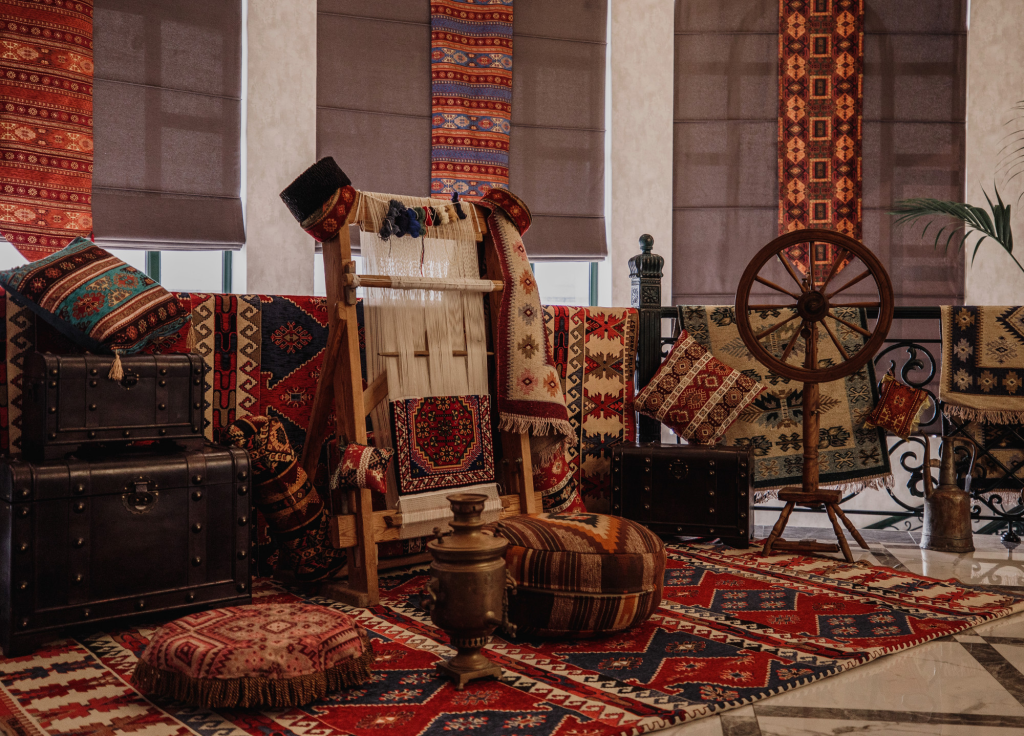
In recent years, there has been a resurgence in the popularity of traditional rugs as homeowners seek to blend the classic elements with their modern interiors. The challenge lies in achieving a harmonious balance between the old and new, contributing to an aesthetically pleasing environment.
Understanding the Appeal of Vintage and Traditional Rugs
Vintage and traditional rugs offer a unique charm that is often missing from modern designs. These rugs bring warmth, character, and an element of history to any space. The intricate patterns and rich colours can serve as a focal point in a room, making them an excellent choice for homeowners looking to add depth and interest to contemporary homes.
Vintage rugs are particularly appealing because each piece tells a story. The craftsmanship involved in creating these rugs is indicative of cultures long past, and their presence in a home can signify a connection to a rich heritage.
Choosing the Right Rug for Your Space
The key to successfully integrating vintage and traditional rugs into a contemporary home is choosing the right piece for your specific space. Consider the size, colour, and pattern of the rug in relation to the room where it will be placed. A large, richly coloured rug can anchor a spacious room, while smaller rugs with subtle patterns can complement a minimalist decor.
Size Considerations
When selecting a rug, one of the first considerations should be its size. A rug that is too small may seem out of place in a large room, while an oversized rug can overwhelm a space. The right size will tie the room together, ensuring that all elements are working cohesively.
Colour and Pattern Choices
Colour and pattern play critical roles in the selection process. Traditional rugs typically feature bold hues and complex patterns, which can be beautifully juxtaposed with contemporary furnishings. The trick is to choose a rug color that either complements or contrasts with the modern elements of your space, without clashing with existing decor.
Placement of Rugs in Contemporary Settings
Once you have selected a suitable rug, proper placement is crucial to achieving the desired effect. In a living room, a rug can be placed partly under the sofa and chairs to define the seating area. In bedrooms, placing a rug under the bed, extending it out on either side, can create a luxurious feel.
In dining areas, the rug should be large enough that chairs remain on the rug, even when pulled out. This approach not only protects your flooring but also adds to the cohesion of the space.
Integrating with Modern Furniture
To ensure the successful integration of a traditional or vintage rug with modern furniture, align the design elements. This could mean matching the rug’s accent colours with the upholstery of your furniture, or echoing a geometric theme present in both the rug and the room’s accessories.
Incorporating Textures
Beyond patterns and colours, textures also play a vital role in bringing a room together. Combine the plush texture of a vintage rug with smoother modern surfaces for a dynamic look. This textural contrast can create a sense of depth and visual interest, enriching the room’s aesthetic appeal.
Maintaining a Balance
While incorporating vintage and traditional rugs can enrich a modern home, it is essential to maintain balance. Too many traditional elements might overshadow the contemporary design, so ensure that the modern aesthetic is honoured. A balanced approach will result in a stylish yet comfortable home atmosphere.
Conclusion
Integrating vintage and traditional rugs into a contemporary home offers a fantastic opportunity to merge history with modernity. By carefully selecting the right rug, considering placement, and aligning elements with existing decor, these rugs can offer warmth and vibrancy to any modern interior. With these considerations in mind, homeowners can enjoy the beauty and charm of traditional and vintage rugs while still embracing contemporary design.