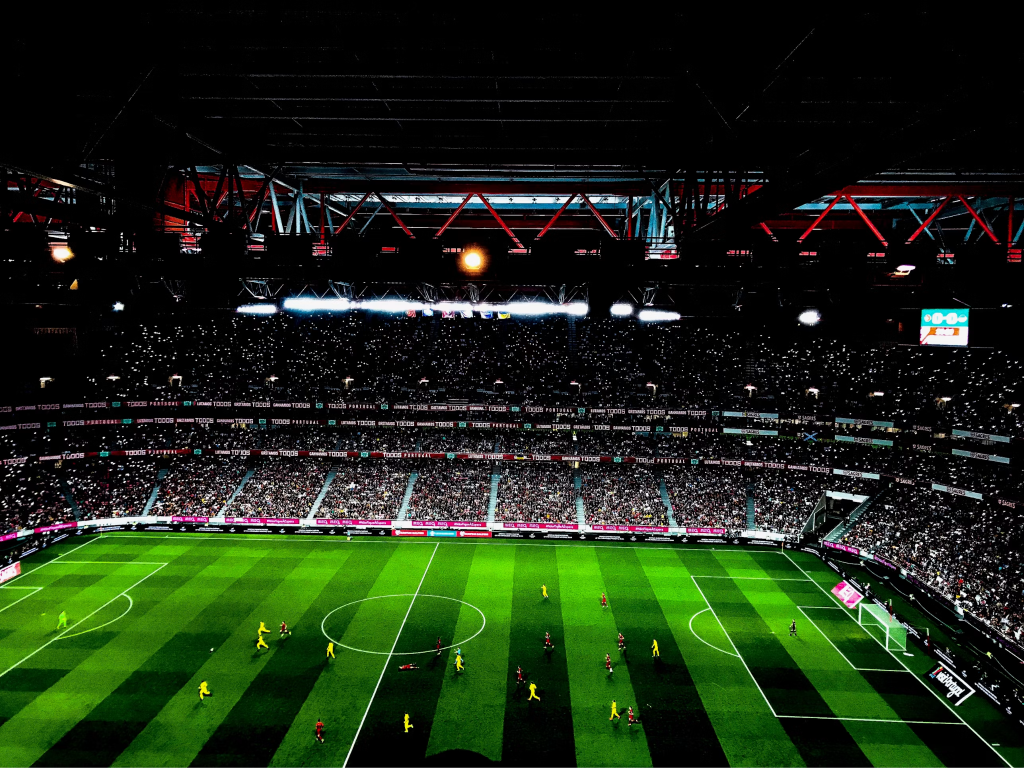
New arenas and esports halls no longer chase atmosphere alone; architectural pitch meetings now open with carbon-reduction targets, rainwater-harvesting plans, and circular-economy budgets. Public demand for cleaner operations, plus stricter city ordinances, reshapes the scoreboard for success. Sustainability has moved from a nice-to-have marketing note to a core performance metric.
Data dashboards pulled from fan-engagement platforms and industry trackers such as spinfin show higher ticket conversion when venues publish clear eco milestones and progress reports. Supporters respond to measurable action recycling ratios, renewable-energy percentages, and food-waste cuts building loyalty that moves beyond final scores or tournament brackets.
Eco-Focused Design Choices Changing the Game
- Modular Seating Bowls
Lightweight aluminum frames allow quick reconfiguration between football fixtures and gaming finals, cutting material waste and storage costs. - Translucent Roof Panels
Polycarbonate skins channel daylight onto playing surfaces while deflecting summer heat, reducing artificial-lighting hours. - Greywater Networks
Wash-basin runoff cleans concourse floors and irrigates pitch edges, trimming municipal demand and utility bills. - On-Site Biodigesters
Leftover snacks feed anaerobic digesters that generate biogas for concession stand cooktops. - Urban Pollinator Zones
Perimeter landscaping opts for native flowers and bee hotels, turning parking-lot edges into miniature habitats.
Engineering teams pair these upgrades with life-cycle calculators, ensuring every bolt and beam earns a carbon payback inside realistic maintenance windows. The emphasis on verifiable metrics prevents “greenwashing” labels and aligns capital expenditure with long-term community value.
Brighter scoreboards now double as energy dashboards, broadcasting kilowatts saved alongside goal tallies or kill-death ratios. Transparency educates audiences and motivates staff, creating a feedback loop that rewards incremental gains.
Energy and Resource Management During Live Action
Operational footprints once peaked on matchday; floodlights, HVAC surges, and transport spikes sent emissions soaring. Smart-building software now smooths those curves through predictive modeling. Ticket-scan timestamps inform ventilation rates, and occupancy sensors dim concourse lighting when lines shrink.
Renewable power integration ranks highest on venue agendas. Rooftop photovoltaics, car-park solar canopies, and nearby wind cooperatives supply baseline loads, while battery banks cover evening kickoffs. Grid contracts increasingly include clauses for certificated green energy, closing gaps when weather falters.
Catering logistics also shift. Supplier contracts favor regional farms within 150 kilometers, cutting trucking mileage. Reusable cup schemes roll deposit fees into ticket prices, simplifying collection. Compostable packaging backs up waste sorting, and clear signage reduces contamination that once ruined recycling streams.
Local transit authorities partner with organizers to bundle rail and bus tickets into digital passes. Lower parking demand frees land for mixed-use developments, spreading revenue risk and encouraging seven-day activation rather than occasional event spikes.
Simple Moves Spectators Can Make on Game Day
- Choose Public Transit or Group Rides
Lower tailpipe emissions and bypass post-match traffic jams. - Carry a Lightweight Reusable Bottle
Most new arenas include filtered-water stations inside security zones. - Scan Digital Tickets
Cutting thermal-paper stubs saves trees and reduces litter under seats. - Sort Waste Correctly
Mixed recyclables, compostables, and landfill streams succeed only when fans follow color coding. - Buy Local Menu Items
Supporting nearby growers encourages venue buyers to keep shrinking supply-chain distances.
A commitment from attendees signals to venue managers that sustainability investments influence spending behavior, reinforcing the case for future upgrades.
The Role of Esports and Hybrid Events
Gaming tournaments deliver unique levers for footprint reduction. Digital competition eliminates travel for remote qualifiers, and cloud-based production can broadcast commentary from decentralized studios. Yet live finals still draw crowds, lights, and hardware rigs. Organizers counter by leasing energy-efficient LED panels, standardizing on lower-wattage peripherals, and scheduling daylight-friendly match slots where possible.
Hybrid formats free capacity inside arenas. When local restrictions limit attendance, remote spectatorship maintains sponsorship value without resource strain. Virtual ticket tiers bundle interactive camera angles and behind-the-scenes feeds, generating revenue with near-zero physical cost.
Looking Ahead
Emerging materials hemp-based acoustic panels, mycelium concession trays, and recycled-PET seat cushions promise further reductions. Blockchain ticketing may soon track carbon offsets per attendee, letting supporters brag about net-zero nights out. City planners aim to intro-connect stadium microgrids with residential neighborhoods, sharing surplus solar power on non-event days.
Sustainability remains an evolving playbook rather than a finished trophy, but momentum feels irreversible. Each successful retrofit or new-build project sets higher benchmarks, and fan expectations adjust just as quickly. The result is a competitive cycle where efficiency, comfort, and spectacle coexist, proving that loud crowds and low emissions can occupy the same stands.
By weaving ecological thinking into every blueprint and operations manual, sports and gaming venues position themselves as community assets for decades, not just seasonal entertainment hubs. Continued progress relies on transparent metrics, creative engineering, and active supporter participation ingredients already reshaping the experience of shouting for a favorite club or cheering a last-second clutch play under greener lights.