Credit plays an important role in many areas of modern life. People may rely on their credit history when applying for a mortgage, financing a vehicle, renting a home, opening certain accounts, or applying for other forms of credit. When fraudulent activity appears on a credit report, the consequences can extend beyond an unfamiliar account or unexpected bill.
Credit fraud can involve the unauthorized use of personal information to obtain credit, loans, or other financial benefits. It may result in accounts, inquiries, or debts that do not belong to the person whose information was used. Recognizing the warning signs and taking appropriate steps can help consumers address potential problems.
Understanding Credit Fraud
Credit fraud can occur when someone uses another person’s identifying information without authorization. The information involved may include a Social Security number, credit card information, account details, or other personal data.
Fraudulent activity can take different forms. Someone might open a credit card account using another person’s information, apply for a loan, or make unauthorized transactions. In some cases, the victim may not discover the activity until reviewing a credit report or receiving a collection notice.
The consequences can include unfamiliar accounts, inaccurate balances, credit inquiries, collection activity, and potential damage to a person’s credit history.
Warning Signs to Watch For
Credit fraud is not always immediately obvious. Consumers should pay attention to unexpected financial communications and changes to their credit reports.
Some common warning signs include:
- Bills for accounts that were never opened
- Unfamiliar credit card transactions
- Accounts or loans that do not belong to the consumer
- Unexpected collection calls or letters
- Credit inquiries that the consumer does not recognize
- Unexpected changes in credit scores
- Credit applications being denied for unexplained reasons
A single unfamiliar item does not necessarily establish that identity theft or credit fraud occurred. However, unexplained information should be investigated rather than ignored.
Reviewing Your Credit Reports
Regularly reviewing credit reports can help consumers identify potentially unauthorized activity. When an unfamiliar account or inquiry appears, the consumer should examine the information carefully and compare it with their own financial records.
Consumers should document questionable entries and retain copies of relevant correspondence. Maintaining a record of when an issue was discovered and what steps were taken can be useful when communicating with creditors, credit reporting agencies, or other organizations.
It may also be helpful to monitor reports periodically after an initial problem has been identified because fraudulent activity can sometimes involve more than one account.
What to Do When Fraud Is Suspected
When someone believes their personal information has been misused, prompt action can be important. The appropriate response depends on the nature of the suspected fraud.
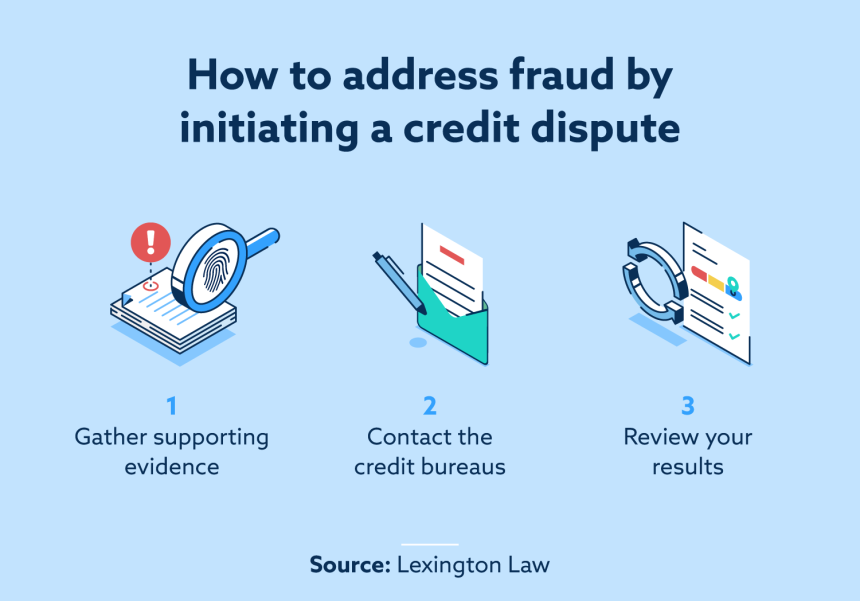
A consumer may need to contact the relevant creditor, dispute inaccurate information with the applicable credit reporting agencies, review account security, and take steps to protect other accounts.
Consumers should keep copies of letters, dispute submissions, account statements, and responses. Organized documentation can make it easier to track the progress of the issue.
Disputing Inaccurate Credit Information
Credit reports can contain information that consumers believe is inaccurate, including accounts resulting from identity theft or other fraudulent activity.
A dispute should clearly identify the information being challenged and explain why the consumer believes it is inaccurate. Supporting documentation may also be relevant depending on the circumstances.
Credit reporting disputes can involve multiple parties, and the process may require follow-up if the issue is not resolved.
When Legal Assistance May Be Appropriate
Some credit fraud matters can become complicated, particularly when fraudulent accounts remain on a person’s credit reports or creditors continue attempting to collect debts the consumer says are not theirs.
A South Carolina Lawyer can help consumers understand their legal options and determine what steps may be appropriate based on the circumstances.
Legal issues can vary depending on the type of fraud, the information being reported, the organizations involved, and the actions already taken by the consumer.
Credit Fraud and Identity Theft
Credit fraud and identity theft can overlap, but they are not necessarily identical concepts. Identity theft generally involves the unauthorized use of another person’s identifying information, while credit fraud may refer more specifically to fraudulent activity involving credit or financial accounts.
For example, a person’s identifying information could potentially be used to open a credit account without authorization. The resulting account could then appear on the victim’s credit report and create financial or collection problems.
Understanding how the fraudulent activity occurred can help determine which organizations need to be contacted and what documentation should be preserved.
How a Credit Fraud Lawyer Can Help
A legal professional may assist with reviewing the circumstances surrounding suspected fraud and identifying potential legal issues.
For consumers dealing with inaccurate accounts, identity theft, or other credit-related problems, a Credit Fraud Lawyer South Carolina may be able to help evaluate the situation, assist with disputes, and explain potential legal remedies. The specific options depend on the facts and applicable law.
In some cases, resolving the problem may involve communications with creditors and credit reporting agencies. In other situations, litigation may become a consideration if the underlying dispute cannot be resolved through other methods.
Protecting Your Information
Preventing future problems is also important after discovering credit fraud. Consumers can review account security, use strong and unique passwords, monitor financial statements, and be cautious about sharing sensitive personal information.
People should also be careful with unsolicited emails, text messages, phone calls, and websites requesting financial or identifying information. Fraudsters may use convincing communications to obtain information that can later be misused.
Keep Detailed Records
Documentation can become especially valuable when a credit dispute continues for an extended period. Consumers should keep copies of credit reports, account statements, correspondence, dispute letters, identification documents requested during the process, and responses received from relevant organizations.
A simple timeline can also help. Recording when the fraudulent activity was discovered, when disputes were submitted, and when responses were received can provide a useful overview of the situation.
Final Thoughts
Credit fraud can create financial and administrative problems that take time to resolve. Unfamiliar accounts, unexpected collection activity, and inaccurate credit-report information should not automatically be ignored.
Reviewing credit reports regularly, documenting suspicious activity, contacting the appropriate organizations, and understanding available legal options can help consumers respond more effectively. When a credit fraud issue becomes complicated or remains unresolved, obtaining qualified legal guidance can help a consumer better understand the steps available under applicable law.