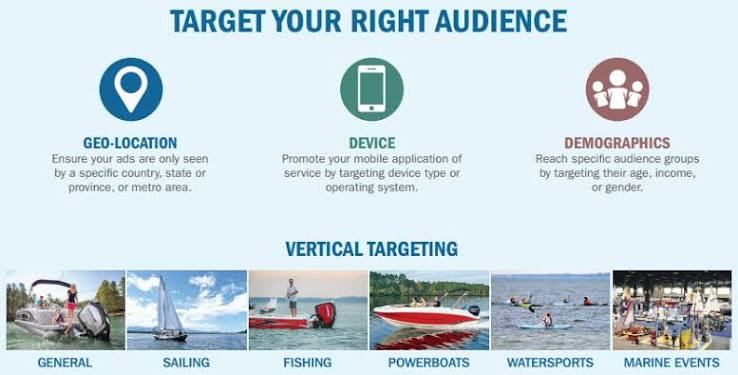
Reaching potential customers is one of the biggest challenges for businesses operating in the marine industry. The audience can include boat owners, recreational buyers, fishing enthusiasts, commercial operators, marina customers, and many other groups. Because these audiences have different needs, effective advertising requires more than simply putting a general message in front of as many people as possible.
Marine advertising can help businesses reach specific audiences with messages designed around their interests and purchasing behavior. When campaigns are carefully planned, advertising can introduce a company to potential customers who are more likely to need its products or services.
The first step is defining the target audience. A business selling luxury boats will likely approach advertising differently from a company providing routine maintenance or selling marine equipment. Factors such as location, age, interests, boating activities, purchasing history, and customer needs can help create a more focused audience.
Understanding the customer’s journey is equally important. Someone who is just learning about a particular type of boat may respond well to educational content, while a person actively comparing models may be more interested in specifications, pricing information, or an opportunity to speak with a sales representative.
Understanding Boating Industry Marketing
Effective boating industry marketing starts with understanding the unique characteristics of marine customers. Unlike some industries where purchasing decisions may happen quickly, boats, marine equipment, and specialized services can involve significant research and consideration.
Marketing campaigns can be developed around different stages of the customer journey. Educational content can help people who are still researching their options, while detailed product information, comparisons, testimonials, and service information may be more useful for customers who are closer to making a decision.
A well-planned marine marketing strategy can combine advertising, search visibility, social media, website content, email campaigns, and other channels to create multiple opportunities for potential customers to interact with a business.
Using Digital Advertising to Reach Marine Customers
Digital advertising platforms provide businesses with numerous targeting options. Search advertising can place a business in front of people actively looking for specific products or services. Social media advertising can target audiences based on interests, behaviors, location, and other characteristics.
For businesses targeting people who are already searching for marine products or services, google ads for boating industry can be used as part of a broader paid advertising strategy. Search campaigns can focus on relevant keywords and customer intent, while carefully developed advertisements can direct users toward pages that match their specific needs.
Creating Visual Content for Marine Advertising
Visual content can be particularly effective for marine businesses. Boats, waterfront locations, equipment, completed repair projects, and boating experiences are naturally suited to photographs and video.
High-quality visuals can capture attention while giving potential customers a better understanding of what a business offers. For boat dealers, images can highlight specific models and features. Service businesses can use before-and-after photographs, project images, and videos to demonstrate their work.
Creating Specific Advertising Messages
Advertising messages should also be specific. Instead of simply saying that a company provides marine services, an advertisement can focus on a particular problem or customer need.
A repair business might promote seasonal maintenance, while a dealer could highlight a new model or financing opportunity. Businesses selling marine equipment could focus on specific product categories, applications, or boating activities.
Specific messaging can make an advertisement more relevant to the person viewing it and help distinguish the business from competitors offering broad, generic messages.
Using Location Targeting
Location targeting can be especially valuable for businesses that serve a defined geographic area. A local marina, boat repair shop, or dealer may not benefit from advertising to people who live hundreds of miles away.
Geographic targeting can help focus advertising budgets on communities where the business can realistically serve customers. Businesses operating in multiple locations can also develop separate campaigns based on the needs and characteristics of each market.
Using Retargeting Campaigns
Retargeting can also help maintain visibility. A person may visit a website without making a purchase or submitting an inquiry.
Retargeting campaigns can remind interested visitors about the business as they continue browsing online, potentially bringing them back when they are ready to take action.
However, retargeting should be used thoughtfully. Showing the same advertisement too frequently can become repetitive, so businesses should monitor campaign performance and adjust audiences, frequency, and creative content when necessary.
Creating Effective Landing Pages
Landing pages are another important part of an advertising campaign. Sending every advertisement to a generic homepage may create unnecessary friction.
A dedicated landing page can provide information directly related to the advertisement and make it easier for visitors to complete the desired action. For example, an advertisement for boat repair should ideally lead to a page explaining the relevant repair services rather than a general page with unrelated information.
Making Calls to Action Clear
The desired action should be clear. Depending on the campaign, a business may want visitors to:
- Request a quote
- Schedule a service
- View available boats
- Contact a representative
- Request additional information
- Book a consultation
- Visit a showroom or marina
A clear call to action can make it easier for visitors to understand what they should do next.
Managing Advertising Budgets
Budget management is also important. Businesses should establish spending limits and monitor performance rather than allowing campaigns to run without evaluation.
Advertising platforms provide data that can help determine which audiences, messages, and placements generate the strongest results. Businesses can use this information to adjust campaigns and allocate resources toward strategies that align with their marketing objectives.
Testing Different Advertising Messages
Testing different messages can improve performance over time. One advertisement may focus on convenience, while another emphasizes expertise or a particular service.
Comparing results can help businesses understand what resonates with their audience. Testing may involve different headlines, descriptions, images, calls to action, landing pages, or audience segments.
Combining Paid and Organic Marketing
Advertising should also complement organic marketing efforts. A person who sees an advertisement may search for the company before making contact.
A professional website, useful content, positive reviews, and clear information can reinforce the credibility established through the advertisement. Search engine optimization and content marketing can also help businesses remain visible to customers who are researching marine products and services independently.
Building Trust Through Accurate Advertising
Trust is especially important when customers are considering expensive marine products or specialized services. Advertisements should make accurate claims and set realistic expectations.
Overly aggressive promises may attract attention but can damage credibility when customers discover that the experience does not match the advertisement. Clear descriptions of products, services, pricing information where appropriate, and realistic expectations can help establish a stronger relationship with potential customers.
Considering Marine Industry Seasonality
Seasonality should also be considered. Marine businesses may experience periods of higher and lower demand depending on location and type of service.
Advertising can be adjusted to promote relevant products and services at times when customers are most likely to need them. For example, maintenance-related services may be promoted before periods of increased boating activity, while equipment or storage services may have different seasonal opportunities.
Measuring Campaign Performance
The effectiveness of advertising ultimately depends on reaching people who have a genuine connection to the product or service.
Businesses can monitor metrics such as:
- Website traffic
- Click-through rates
- Cost per click
- Lead volume
- Conversion rates
- Cost per lead
- Phone calls
- Quote requests
- Sales generated
Broad exposure may generate visibility, but targeted campaigns can make marketing budgets work more efficiently by focusing on audiences with relevant interests and needs.
Creating Long-Term Customer Relationships
For marine businesses, thoughtful advertising can create a direct connection between the company and potential customers. By defining the audience, developing relevant messages, using appropriate targeting, creating strong landing pages, and measuring results, businesses can improve their chances of turning advertising exposure into meaningful inquiries and sales.
The strongest campaigns do not simply try to reach more people. They aim to reach the right people with information that matters to them. That approach can help marine businesses build awareness, generate qualified leads, and create stronger opportunities for long-term customer relationships.