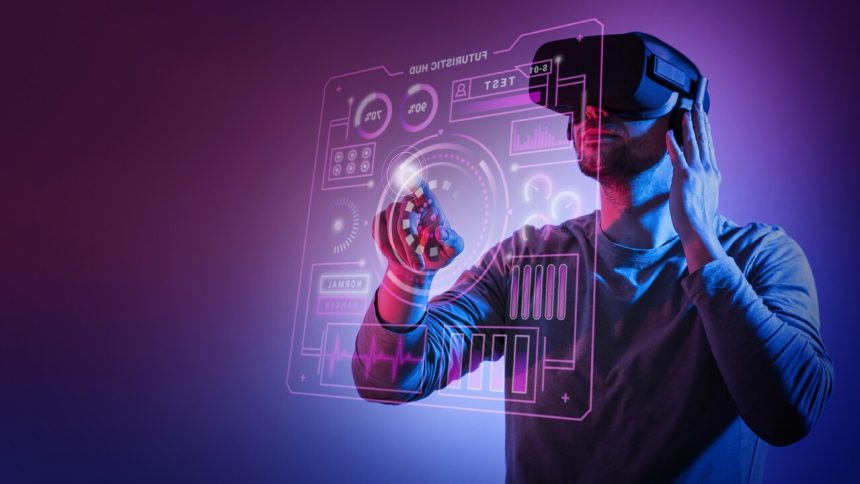
In the rapidly evolving landscape of digital entertainment, Inside RIKVIP: How Technology Shapes the Future of Gaming offers a captivating glimpse into the transformative power of modern innovation. As the industry pivots toward immersive, seamless, and highly personalized experiences, understanding the influence of technology becomes essential. This article explores how technological advances are revolutionizing the gaming world, with insights into how RIKVIP exemplifies this shift. Whether you’re a casual gamer or a serious industry analyst, grasping these developments helps predict gaming’s trajectory and harness opportunities effectively.
The Integration of Virtual Reality and Augmented Reality in Gaming
The incorporation of Virtual Reality (VR) and Augmented Reality (AR) has been one of the most groundbreaking developments in the gaming arena. These technologies transcend traditional gaming boundaries, offering immersive experiences that captivate users and redefine engagement.
Elevating Player Immersion with VR
VR technology provides players with a three-dimensional environment, transporting them to virtual worlds where they can interact as if physically present. For example, systems like Oculus Rift and HTC Vive have created immersive landscapes where users can explore, compete, or collaborate in ways previously impossible.
In Inside RIKVIP, VR serves to heighten the realism of casino games and interactive slots, making virtual gambling sessions feel authentic. Users can walk around a virtual casino, interact with slot machines, or even converse with digital dealers, bridging the gap between online and physical gaming experiences. This immersion not only increases user engagement but also opens new revenue streams for operators looking to differentiate their platforms.
From a technical standpoint, integrating VR into gaming involves sophisticated motion tracking, high-definition graphics, and real-time rendering—an impressive feat of modern technology. As VR hardware becomes more affordable and accessible, the adoption rate is expected to soar, making it a mainstay in future gaming solutions.
AR’s Role in Blurring the Lines between Reality and Gaming
Where VR immerses users in a wholly virtual environment, AR overlays digital elements onto the physical world, creating hybrid experiences. Pokémon GO is a prime example of AR’s popularity, demonstrating how location-based gaming can boost user engagement by blending virtual objects with the real environment.
In the context of Inside RIKVIP: How Technology Shapes the Future of Gaming, AR introduces interactive elements to physical or digital casino settings. Imagine slots that display digital animations over a physical machine, or live dealer tables augmented with real-time data overlays. This combination enhances user interaction and encourages longer play sessions.
The technical challenge lies in accurately mapping the physical environment and synchronizing virtual overlays. Advances in smartphone camera technology and sensor precision are making AR more accessible, promising even richer experiences in the future.
Both VR and AR are reshaping Inside RIKVIP: How Technology Shapes the Future of Gaming by enhancing engagement, offering novel game formats, and expanding the boundaries of what digital gaming can achieve. While VR emphasizes full immersion, AR complements real-world interactions, each fueling different facets of user experience.
Artificial Intelligence and Machine Learning – Personalizing Gaming Experiences
Artificial Intelligence (AI) and Machine Learning (ML) are at the heart of transforming online gaming by tailoring experiences to individual users. These advancements range from simple data analytics to complex adaptive behaviors that enhance both gameplay and operational efficiency.
AI-Powered Personalization and Player Engagement
AI algorithms analyze vast amounts of data, including player preferences, betting patterns, and gameplay history. This enables platforms like RIKVIP to offer personalized recommendations, targeted promotions, and adaptive difficulty levels that fit each user’s style.
For example, if a player shows a preference for high-stakes poker, the platform may automatically offer specialized tables or blackjack variants suited to their skill level. This personalized approach increases player retention and overall satisfaction.
Personalization doesn’t stop at game recommendations. AI-driven chatbots can provide real-time support, answer queries, or even suggest new gaming options based on past interactions. This creates a seamless, social experience that mimics human interaction, fostering trust and loyalty.
Machine Learning and Game Optimization
ML models continually learn from user interactions to optimize game design and feature placement. By analyzing which games are most popular or which marketing strategies yield the highest engagement, operators can adjust their offerings dynamically.
Furthermore, AI ensures responsible gaming by detecting unusual betting behaviors that may indicate compulsive gambling. Platforms can then implement timely interventions to promote safe gambling habits, which in turn sustains a healthy gaming environment.
Challenges and Ethical Considerations
While AI enhances gaming, it also raises privacy and ethical concerns. Managing player data responsibly and ensuring transparency about AI-driven decisions are essential. Developers must strike a balance between personalization and respecting user privacy, fostering trust in an era of data-driven gaming.
Blockchain and Cryptocurrency – Ensuring Transparency and Security in Gaming
Blockchain’s decentralized ledger technology has emerged as a game-changer for online gaming, especially in terms of security, transparency, and regulatory compliance. Its integration into platforms like RIKVIP signals a significant shift toward more trustworthy gaming environments.
Blockchain for Secure Transactions
One of blockchain’s primary advantages is the facilitation of secure, transparent monetary transactions. Cryptocurrency payments, such as Bitcoin or Ethereum, enable instant deposits and withdrawals without the need for traditional banking intermediaries.
This not only reduces transaction costs but also mitigates fraud risks, offering players peace of mind. The transparency of blockchain records ensures that all financial activities are auditable and tamper-proof, fostering a higher level of trust in the platform.
Smart Contracts and Fair Play
Smart contracts automate outcome validation in games, ensuring fairness without relying on third-party auditors. These self-executing contracts contain predefined rules, which, once satisfied, automatically distribute winnings.
For instance, in a blockchain-based lottery, smart contracts guarantee that the draw process is transparent and tamper-proof. This kind of automation elevates transparency, giving players confidence that the game outcomes are entirely fair.
Regulatory Impact and Future Directions
Blockchain also aids in compliance with gambling regulations across jurisdictions due to its transparent and immutable nature. As regulations become more rigid, the transparent audit trail provided by blockchain can ease licensing processes and accountability measures.
The adoption of cryptocurrencies and blockchain in Inside RIKVIP exemplifies how technology is bridging gaps between security, transparency, and user trust, increasingly making digital gambling platforms more reliable.
Future Trends: Evolving Technologies and the Next Generation of Gaming
The gaming industry continues to evolve as new technologies emerge, promising even more immersive, secure, and personalized experiences. In Inside RIKVIP: How Technology Shapes the Future of Gaming, the focus is on the fast-paced innovation driving this evolution.
Cloud Gaming and Higher Accessibility
Cloud technology allows players to access games without high-end hardware, making high-quality gaming more accessible globally. Major providers like Google Stadia and Xbox Cloud Gaming are paving the way for seamless game streaming, reducing the barrier of expensive devices.
In RIKVIP’s context, cloud gaming can enable instant access to complex casino software and live dealer environments, increasing user participation regardless of location or device constraints.
5G Networks and Real-Time Interaction
The emergence of 5G connectivity enhances real-time interaction, reducing latency and improving the overall gaming experience. This advancement enables smoother live dealer games, faster virtual reality sessions, and more responsive gameplay.
For Inside RIKVIP, 5G technology means more engaging live interactions and even the incorporation of real-time multiplayer gambling, where players can compete more fairly and effortlessly.
Artificial Intelligence as a Constant Innovator
AI will continue to be pivotal in customizing content, preventing fraudulent activities, and managing regulatory compliance. Innovations such as natural language processing (NLP) will make interactions more human-like, further blurring the lines between digital and physical experiences.
Conclusion
Inside RIK VIP: How Technology Shapes the Future of Gaming reveals a landscape continuously transformed by technological innovation. From immersive VR and AR to sophisticated AI, blockchain, and next-gen connectivity, the future of gaming is poised for unparalleled growth and sophistication. These advances not only enhance user engagement and trust but also redefine the boundaries of what is possible in digital entertainment. As these technologies mature and integrate further, they promise to deliver richer, safer, and more personalized gaming experiences, shaping a future where digital plays seamlessly blend with real-world interactions in unprecedented ways.