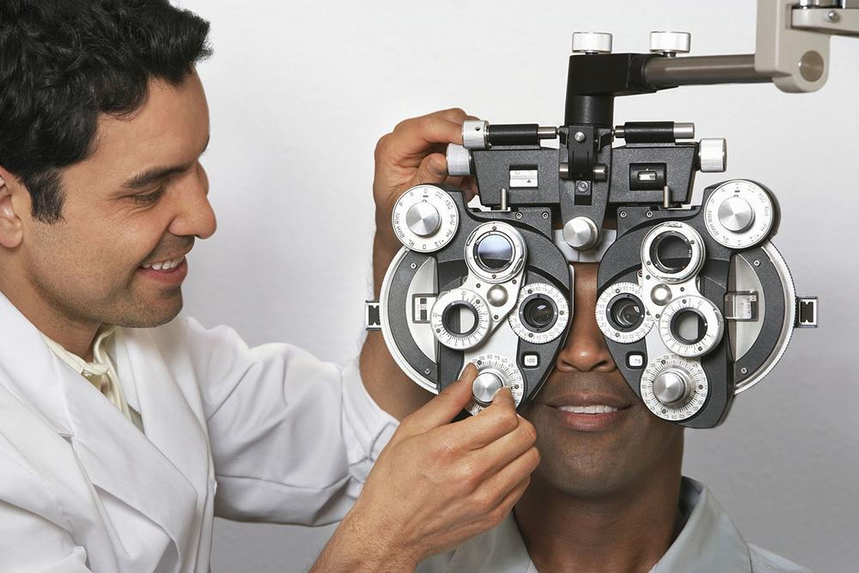
Regular check-ups with an Orange City eye doctor are crucial for preserving vision health. These visits can uncover hidden health issues such as diabetes and hypertension. By undergoing annual eye exams, individuals can significantly lower the chances of serious vision-related problems through early detection of impactful diseases.
Eye doctors play a vital role in preventing vision loss. They monitor changes in vision and identify conditions like glaucoma and macular degeneration at an early stage. Thorough eye exams result in personalized treatment plans that help lessen vision-related risks.
New patients are encouraged to prepare for their initial eye exam by discussing their health history and current vision concerns. This will be followed by various tests to evaluate their eye health. Such exams pave the way for building a trusting relationship with eye care professionals.
In Orange City, common vision challenges often stem from prolonged screen time, contributing to digital eye strain, as well as age-related conditions that require regular check-ups. Recognizing these factors is essential for maintaining a good quality of life through effective eye care.
Myopia, hyperopia, and astigmatism are widespread vision disorders, each calling for tailored corrective measures. Regular check-ups allow for timely intervention, leading to improved long-term outcomes for these conditions.
It’s crucial to be aware of warning signs that indicate a need to consult an eye doctor, such as sudden vision changes, frequent headaches, or difficulty seeing at night. Early assessments can provide opportunities for beneficial interventions.
Children should undergo their first eye examination before they start school, ensuring proper vision development, which is vital for learning and overall well-being. Identifying issues early on can lead to more effective treatment options.
Discovering the Benefits of Regular Eye Exams
How Annual Eye Check-Ups Can Transform Vision Health
Visiting an Orange City eye doctor regularly lays the groundwork for optimal vision health. The impact of an annual eye exam is often underestimated. These exams go beyond simple vision correction; they offer critical insights into overall health by revealing conditions like diabetes and hypertension long before any symptoms make themselves known.
Let’s consider this: Statistics reveal that individuals who undergo regular eye exams face a lower risk of experiencing severe vision-related issues. Experts believe these exams allow for early detection of life-altering diseases. Encouraging a proactive approach to eye care transforms the health of individuals and the community at large.
What transpires during these exams? Professionals utilize a series of tests aimed at measuring the efficiency with which the eyes work together. They check peripheral vision, eye pressure, and even the health of the retina. An eye doctor, by analyzing how well light focuses on the retina, can prescribe a specific treatment plan tailored to a patient’s needs.
The Role of an Eye Doctor in Preventing Vision Loss
A proactive approach to eye care is a formidable defense against vision loss. But how exactly can an eye doctor contribute? By monitoring changes in vision and eye health through regular evaluations. They are equipped to identify subtle symptoms that might escape the notice of untrained individuals.
Common conditions that may lead to vision loss include glaucoma, macular degeneration, and diabetic retinopathy. Early detection plays a pivotal role. Through thorough eye assessments, an Orange City eye doctor can offer treatment options designed to mitigate or eliminate the risk of progressive vision loss.
Studies suggest that over 80% of blindness is preventable with timely intervention and proper eye care.
Consider how often minor vision changes evade attention until it becomes too late. Scheduling regular exams guarantees that a dedicated professional is monitoring these changes. It’s not solely about seeing clearly; it’s fundamentally about preserving the invaluable gift of vision.
What to Expect During Your First Eye Examination
Individuals gearing up for their first visit might find it helpful to know what lies ahead. Typically, the examination starts with a comprehensive patient history evaluation. This entails discussing any familial eye disease history and personal health matters. Expect to address questions regarding current medications and any noted vision problems.
Subsequently, the testing process can encompass visual acuity assessments and advanced imaging techniques that delve deeper into eye health. While tests may initially seem daunting, professionals strive to make patients comfortable, often utilizing technologies that minimize discomfort.
- Visual Acuity Test: Assesses how well a person can see at varying distances.
- Refraction Assessment: Determines the appropriate prescription for glasses or contacts.
- Eye Health Evaluation: Involves an examination of the retina and optic nerve for abnormalities.
After the exam, patients get the chance to discuss the findings with their doctor, exploring personalized options suited to their vision needs. This collaborative approach nurtures trust between patients and their eye care providers.
Working through Common Vision Issues in Orange City
Top Reasons Residents Seek Eye Care in Orange City
Residents of Orange City often seek eye care for a variety of vision issues. The harsh Florida sun can exacerbate underlying conditions. Many individuals come in looking for relief from common complaints like dry eyes or seasonal allergies, especially during the sweltering summer months.
So, what triggers these issues? Lifestyle factors play a significant part. Prolonged screen time, paired with insufficient breaks, frequently leads to digital eye strain. Therefore, professionals recommend regular eye exams to reduce these effects.
- Digital Eye Strain: Symptoms may include blurred vision and headaches.
- Seasonal Allergies: Environmental pollutants can trigger watery, itchy eyes.
- Aging Eyes: Conditions like presbyopia may become more pronounced.
Moreover, as residents age, they often seek advice on managing age-related conditions. Regular visits ensure that these widespread concerns are addressed promptly, maintaining their quality of life.
Understanding Myopia, Hyperopia, and Astigmatism
Myopia, hyperopia, and astigmatism are prevailing vision disorders. Myopia, or nearsightedness, causes distant objects to appear hazy. On the flip side, hyperopia, or farsightedness, affects the ability to focus on nearby objects. Astigmatism, defined by an irregularly shaped cornea, can blur both near and distant vision.
But how can residents address these conditions effectively? A thorough understanding of their implications is the first step. Typically, corrective lenses – whether glasses or contacts – serve as the initial line of defense. However, options such as orthokeratology or corrective surgery may also be considered in consultation with an Orange City eye doctor.
Research indicates that early intervention often leads to improved long-term outcomes. Regular check-ups are vital in this regard.
Thanks to modern advancements in lens technology, individuals no longer need to settle for basic prescriptions. Progressive lenses, for example, provide seamless vision correction without necessitating multiple pairs.
Signs That It’s Time to Consult an Eye Doctor
Awareness of vision health is vital. But what signs indicate it’s time for an appointment? A sudden change in visual clarity is a significant red flag. Symptoms such as frequent headaches, double vision, or chronic dryness should raise concerns.
Clients may experience discomfort but often dismiss it as fatigue or aging. Here’s the reality: Ignoring these signs can lead to complications later. Regular assessments enable timely intervention, potentially averting serious conditions from developing.
- Persistent headaches: May suggest eye strain or the need for a new prescription.
- Blurred vision: Could signal underlying issues.
- Difficulty seeing at night: Might indicate serious retinal problems.
It’s crucial not to brush aside these symptoms. Engaging with an eye care professional can bring clarity and peace of mind. Eye health goes beyond visual clarity; it encompasses overall well-being.
Your Options for Eyewear: Finding the Right Fit
The Latest Trends in Eyeglasses and Contact Lenses
The eyewear industry is undergoing constant evolution, introducing innovative designs and cutting-edge lens technologies. Individuals in search of new eyewear often find that keeping up with trends can significantly elevate their style and functionality choices.
Fashion-minded consumers are keen to align their eyewear selections with their lifestyle needs. Frames vary from minimalist styles to bold fashion statements. Collaborating with optometrists, patients can opt for eyewear that not only meets their prescription requirements but also resonates with their personal aesthetic.
Today’s eyewear transcends mere vision correction; it’s also a fashion statement.
Contact lenses are expanding in variety and comfort as well. Innovations in materials now offer options suitable for daily use or extended wear for those seeking long-term solutions. Understanding the breadth of available choices can make a considerable difference.
How to Choose Eyewear That Suits Your Lifestyle
Choosing the right pair of glasses entails more than just looks. Lifestyle considerations are essential. For an active individual, durable frames that withstand wear might take precedence, while someone with a keen fashion sense might prioritize style over function.
When selecting eyewear, keep the following in mind:
- Face shape: Some styles complement certain shapes better than others.
- Frame material: Lightweight options can enhance comfort, while sturdier frames might guarantee durability.
- Prescription: Ensure that the chosen lenses effectively address vision correction needs.
The eyewear selection process can transform into an enjoyable experience, particularly when balancing both practical and stylistic requirements. With today’s diverse offerings, locating the perfect pair has never been easier.
Benefits of Custom Lens Solutions for Your Eye Needs
Custom lens solutions represent a groundbreaking advancement in the eyewear industry. For individuals with unique or complex vision needs, standard lenses may fall short. Tailored lens options can effectively address specific conditions by thoroughly considering the user’s lifestyle and visual tasks.
Some benefits of custom lenses encompass:
- Enhanced clarity: Addressing specific vision needs can improve overall clarity.
- Comfort: Custom-designed lenses can alleviate discomfort related to everyday activities.
- Enhanced aesthetics: Frames and lenses can mesh harmoniously with personal style.
Understanding Eye Health for the Entire Family
Why Kids Need Eye Exams: Early Detection Matters
Understanding the importance of eye exams for children is paramount. Early childhood is marked by rapid development, making proper vision essential for learning and growth. Vision directly influences school performance and overall health.
Experts advocate that children undergo their first eye examination prior to beginning school. Early detection of issues such as amblyopia (lazy eye) can facilitate interventions that yield more effective outcomes.
- Routine eye exams empower the identification of refractive errors.
- Screening can detect more serious conditions like strabismus.
- Professional care provides parents with helpful guidelines for maintaining eye health at home.
Kids often struggle to express their vision difficulties. Regular check-ups ensure that parents remain informed about their child’s eye health.
How Vision Care Changes as We Age
As individuals grow older, they might find new eye care needs emerging. Vision isn’t fixed; it is an ever-evolving aspect of life. Common age-related conditions include presbyopia, cataracts, and dry eye syndrome. Addressing these changes promptly is crucial for preserving vision health.
Professionals typically recommend increased frequency of examinations as one ages. Conditions can develop gradually, making professional oversight increasingly essential. Eye exams allow doctors to track changes, modify prescriptions, and discuss preventive strategies.
Tips for Maintaining Eye Health at Home
Want to keep those eyes in top shape? Maintaining eye health at home is straightforward. Implementing practical steps can yield significant benefits over time:
- Eat a balanced diet: Incorporating foods rich in omega-3 fatty acids and vitamins C and E can bolster eye health.
- Limit screen time: Following the 20-20-20 rule helps reduce eye strain.
- Stay hydrated: Proper hydration is essential for minimizing dry eyes.
By adopting these strategies, individuals can pave the way for a lifetime of healthy vision. Those equipped with the right knowledge will feel empowered to take charge of their eye health.
FAQ
What modern technologies are being used in eye exams today?
Today’s eye exams may involve advanced imaging techniques like optical coherence tomography (OCT) and retinal imaging. These innovations provide detailed insights into eye structures, enhancing diagnostic precision.
How often should one get an eye exam as they age?
Experts recommend increasing eye exam frequency as individuals age, typically every one to two years. This allows for vigilant monitoring of age-related conditions that can develop over time.
Are there specific lifestyle choices that can improve vision health?
Absolutely! Consuming a balanced diet rich in omega-3s, maintaining a regular exercise routine, and ensuring adequate hydration can make a significant impact on eye health. Simple modifications can lead to substantial long-term advantages.
What factors contribute to increasing digital eye strain?
Extended screen time, poor lighting conditions, and lack of scheduled breaks all exacerbate digital eye strain. Research indicates that consistent device use without appropriate precautions can amplify symptoms.
How do eye doctors determine the right prescription for glasses or contacts?
Optometrists conduct thorough refraction assessments, evaluating factors such as visual acuity and general eye health to prescribe the most effective lenses. This customized approach ensures optimal vision correction.
What should parents look for to determine if their child needs an eye exam?
Indicators of potential vision problems in children may include squinting, difficulty reading, or frequent headaches. Parents should also keep an eye on any noticeable declines in school performance, as vision plays a critical role in learning.
Can outdoor activities benefit eye health?
Definitely! Engaging in outdoor activities offers exposure to natural light, which can help reduce the risk of conditions like myopia. Additionally, they often promote physical activity, which further supports overall health.
What role does UV protection play in eye care?
UV protection is crucial for maintaining eye health; extended exposure to UV rays can cause cataracts and other serious eye conditions. Wearing sunglasses that provide 100% protection from UVA and UVB rays effectively shields the eyes.