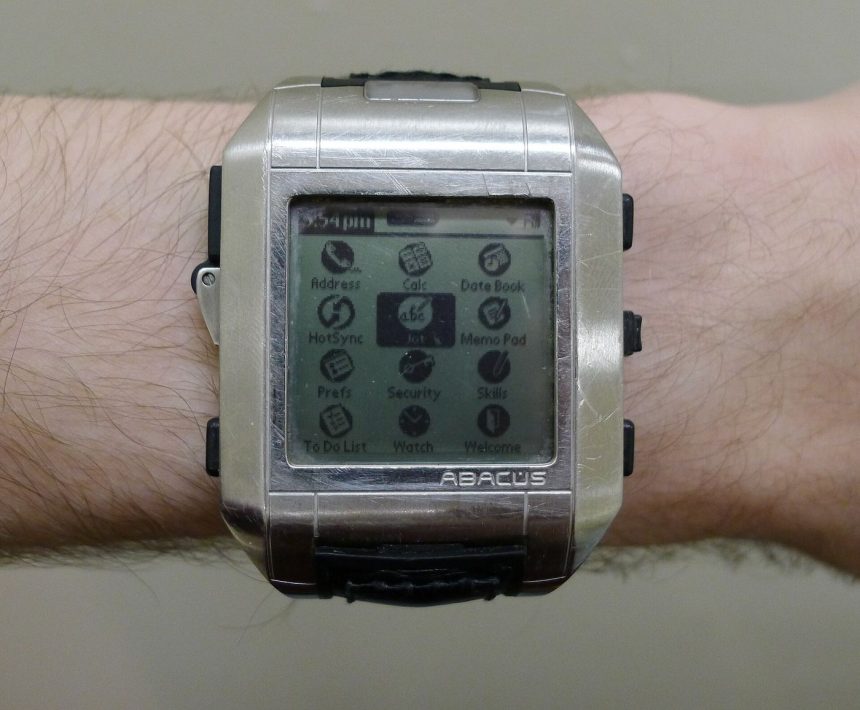
Researchers at Northwestern University have built a smartwatch system that can recognise hand gestures by sensing the movement of muscles and tendons beneath the skin of the wrist. The system, called EITWatch, was developed by the university’s Sensing, Perception, Interactive Computing and Experiences Lab, and was reported in November 2026. It uses a technique called electrical impedance tomography, which sends tiny electrical signals through the wrist and measures how they change as muscles and tendons move. In tests, the watch identified common hand gestures with more than 92 percent accuracy. The researchers say the technology could improve accessibility for people who cannot use touchscreens, as well as prosthetics and patient monitoring. The team says the watch could also help people who have difficulty speaking or using touchscreens, by giving them a silent way to control devices.
What the Evidence Shows
Gesture control has long been a goal for wearable devices, but cameras and motion sensors struggle to tell gestures apart reliably, especially when the hand is still. Reading the muscles directly is a different approach: the pattern of tendons shifting under the skin is distinctive for each gesture, and the watch can learn the patterns of an individual wearer. Because the system is built into a watch, it works without extra hardware and without needing to see the hand at all. The team says the same sensing could help track rehabilitation exercises, monitor tremors in patients with movement disorders, or give amputees finer control of a prosthetic hand. The work is still at the research stage, and the next step is testing the system on more people and more gestures. Reporting and analysis from sources such as Wired track the same developments, and specialists following the EITWatch gesture-sensing smartwatch say the direction is now consistent across independent lines of evidence.
The Wider Context
The wider context is an industry learning to ship capability and restraint together. Products built around the EITWatch gesture-sensing smartwatch now launch with safety evaluations, usage data and rollback plans as standard, because enterprise buyers and regulators ask for them in the first meeting. Companies that treated those questions as friction are discovering they have become the purchase criteria.
What Happens Next
What happens next for the EITWatch gesture-sensing smartwatch depends less on another breakthrough than on the unglamorous work of reliability, pricing and support. The buyers evaluating it now are not enthusiasts; they are operators with budgets and auditors, and their checklists will decide the timeline. On the evidence of the current pilots, the technology has earned the right to be judged by them. You can follow related developments in our coverage of technology.
None of this will be settled by a single announcement, study or product launch. The pattern to watch is accumulation: independent confirmations, honest reporting of failures and steady improvement in the underlying numbers. Readers who follow those signals, rather than the loudest claim of the week, will understand this subject better than most of the commentary surrounding it suggests is possible.