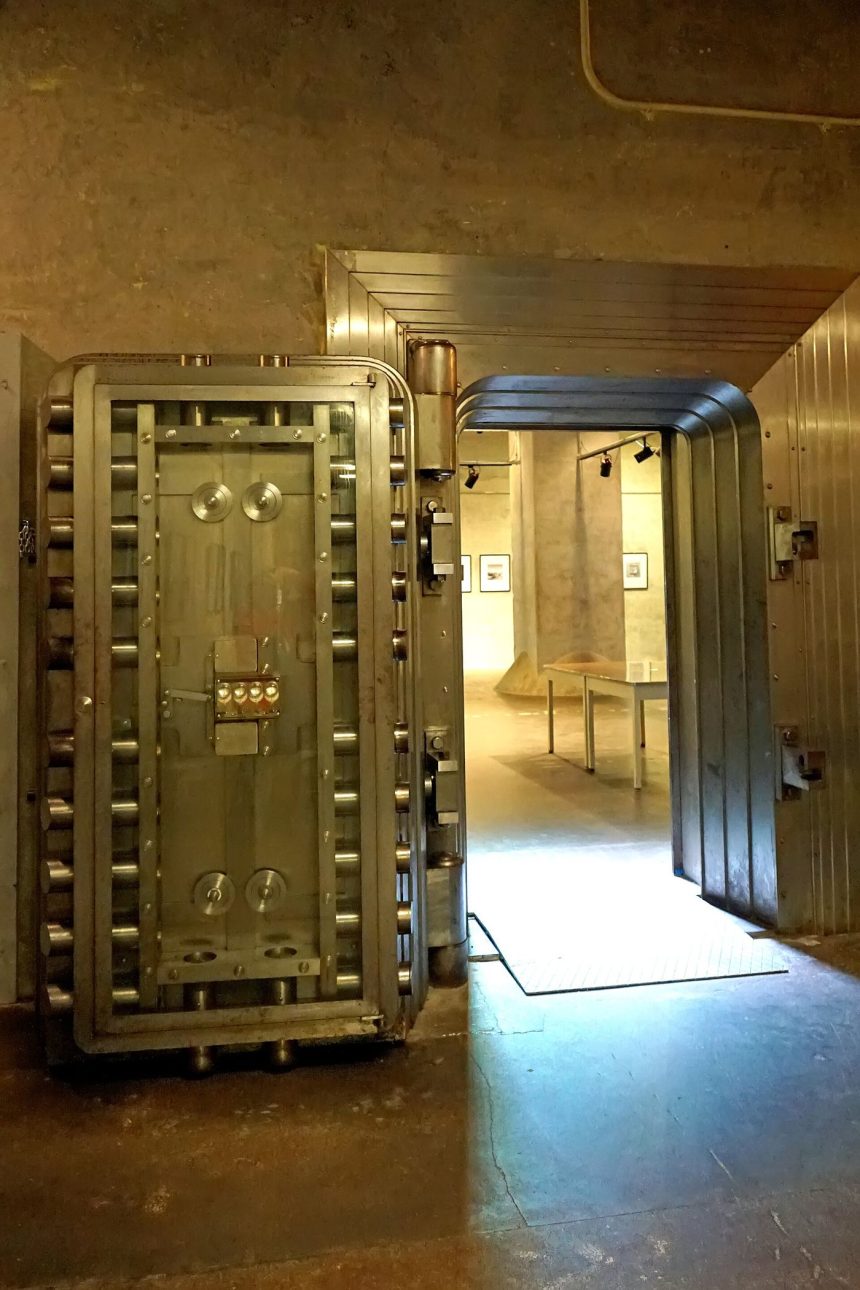
On March 6, 2025, President Donald Trump signed Executive Order 14233, creating a Strategic Bitcoin Reserve and a United States Digital Asset Stockpile. The order calls bitcoin the original cryptocurrency, notes its supply is permanently capped at 21 million coins, and says there is a strategic advantage in being among the first nations to hold it as a reserve asset. The reserve is capitalised with bitcoin already held by the federal government after criminal or civil forfeiture cases, and the order states that reserve bitcoin shall not be sold. The Treasury Department was told to set up an office to administer the reserve, agencies were given 30 days to report what government bitcoin they hold, and the Treasury Secretary was given 60 days to report on how the reserve should be managed. The order also allows the Treasury and Commerce secretaries to develop budget-neutral strategies to acquire more bitcoin without imposing costs on taxpayers.
What the Evidence Shows
Supporters say the reserve treats bitcoin as digital gold and gives the United States a first-mover advantage, while critics argue a volatile asset with no yield has no place beside gold and foreign currency in national reserves. The debate spread to the states: New Hampshire passed the first state bitcoin reserve law in May 2025, and Texas followed in June. Other countries are watching closely. El Salvador has held bitcoin as a national asset since 2021, and Bhutan has mined and held it for years. The reserve does not spend taxpayer money on new purchases unless a budget-neutral route is found, so its size depends mainly on future seizures and forfeitures. For now, the order’s main effect is symbolic but significant: the world’s largest economy formally treats bitcoin as a strategic asset rather than a curiosity. Reporting and analysis from sources such as CoinDesk track the same developments, and specialists following US Strategic Bitcoin Reserve say the direction is now consistent across independent lines of evidence.
The Wider Context
Market structure around US Strategic Bitcoin Reserve has matured in measurable ways: deeper liquidity, professional custody and surveillance-sharing agreements that exchanges once resisted. None of that removes volatility, and regulators repeat that message in every publication. What it changes is the kind of failure investors face, from disappearing venues toward ordinary, legible market risk.
What Happens Next
The outlook for US Strategic Bitcoin Reserve is best stated in scenarios rather than predictions, because this market still moves on sentiment as much as on fundamentals. The structural trends, institutional participation, regulated products and better consumer protection, point one way; the price charts will continue to point in several directions at once. Separating those two statements is the beginning of competence here. You can follow related developments in our coverage of crypto.
It is also worth remembering how quickly the picture in this area has changed before. Positions that looked settled a few years ago have been revised as new data arrived, and the same humility is appropriate now. The strongest coverage of this subject, and the most useful advice, tends to come from sources that update their views openly when the facts move, rather than defending an earlier position long after it has stopped fitting the evidence available.