
Introduction
Businesses across industries must meet compliance standards to protect sensitive information and maintain customer trust. To prevent legal battles, management and leadership must automate quality and compliance. Manufacturing automation when combined with IT compliance management systems enhances security across operations. Automated systems ensure consistent quality and protect intellectual property in the most efficient manner. This blog explores the benefits of manufacturing automation and proper IT compliance management to achieve high productivity and more.
Read on to learn more about the benefits of automating quality processes and maintaining compliance control.
Understanding Manufacturing Automation
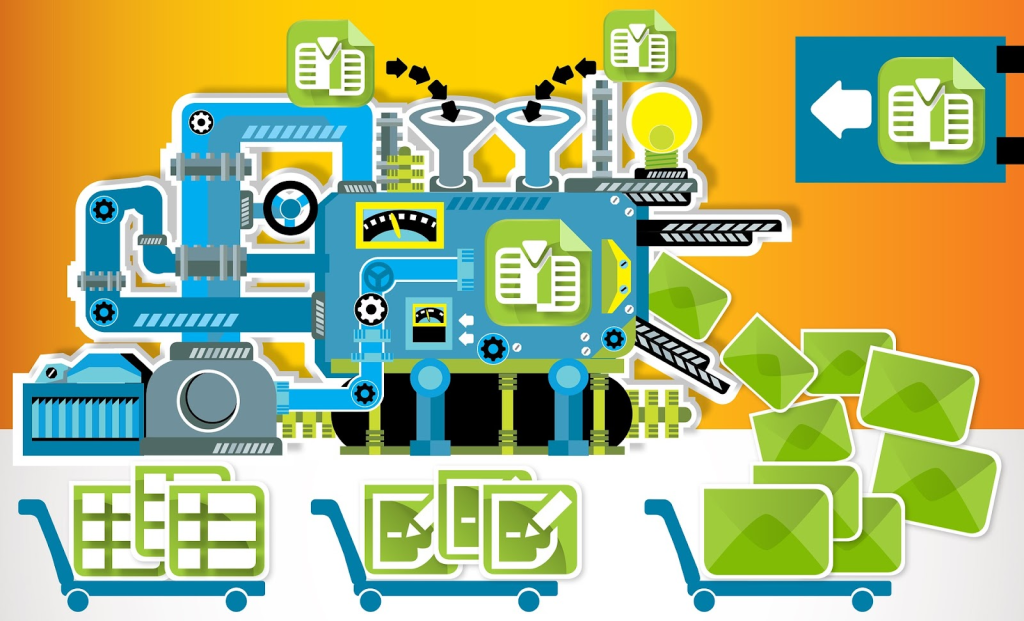
Manufacturing Automation involves using technology to simplify and optimise production processes. The process ranges from basic machinery that handles repetitive tasks to advanced systems powered by artificial intelligence. The 6 main types of automation processes that improve quality and compliance across industries:
- Flexible Automation
Flexible automation uses robots and advanced systems to adapt to tasks or product variations without extensive reprogramming. The aim is to ensure consistency in quality while responding quickly to changing customer or regulatory demands.
- Integrated Automation
Integrated automation connects different systems (production, quality control, compliance, and reporting) into a single automated workflow. This process aims to ensure a seamless flow of data, real-time monitoring of processes, and automatic generation of audit-ready records.
- Cognitive Automation
Also called Intelligent Automation, this automation combines artificial intelligence, machine learning and analytics to detect anomalies. The aim is to predict anomalies in quality management and ensure automatic compliance with evolving regulations. With cognitive automation, businesses ensure proactive decision-making rather than reactive fixes.
- Robotic Process Automation
Robotic process automation automates repetitive administrative and documentation tasks. Certain functions like compliance reporting, record keeping and data validation are performed which reduces errors and strengthens regulatory adherence.
- Fixed Automation
Fixed Automation refers to the use of specialised equipment designed to perform a specific set of tasks. The system is ideal for high-volume production and is cost-efficient because the same product is manufactured repeatedly.
- Programmable Automation
Programmable automation uses machines and equipment that can be reprogrammed to perform different tasks. Ideal for batch production as it offers flexibility which allows manufacturers to switch product designs or processes with software or code adjustments.
Understanding IT Compliance

For businesses offering digital services and with online presence or electronic data systems, IT compliance management is essential. Businesses can benefit from the latest IT compliance management system because:
- IT compliance management is essential to safeguard the data of employees and customers.
- IT compliance management along with the latest manufacturing automation tools build customer trust.
- The system enhances the reputation of an organisation and introduces new ways to enhance data privacy.
- Companies can adopt industry-wide best practices seamlessly.
- IT compliance management allows better data governance and enables sustained competitiveness.
5 Benefits of Automating Quality and Compliance Control

Here are 5 main benefits of automating quality maintenance processes and ensuring complete quality control:
- Simpler IT Compliance Management
Industries like healthcare, finance and legal services require strict regulatory compliance. Automated quality control ensures that documentation meets standards by detecting errors and formatting issues that are missed manually. This safeguards credibility and prevents legal penalties. Organisations are able to maintain their reputation in highly regulated environments and strengthen trust among stakeholders.
- Error Reduction
Manual quality control processes are prone to human error. Fatigue, distraction and bias can interfere with the functioning. However, automated quality and compliance controls can detect subtle errors and inconsistencies overlooked by humans. IT compliance management allows better worker safety, minimises costly mistakes and delivers reliable quality products and services.
- Real-Time Monitoring of Processes
Automated IT compliance management systems centralise data and eliminate silos. By storing documents and supplier product details, accountability and transparency are propagated. This also allows proper document control allowing informed decision making that improves quality. Overhead costs are cut, risk management gets better and incident management becomes a lesser time consuming process.
- Better Regulatory Adherence
Automating quality and compliance control streamlines regulatory adherence. Quality of products and services is maintained as issues are identified promptly. Records are regularly updated and securely stored with limited access, ensuring privacy and easy retrieval. Faster detection of issues helps the management to meet evolving regulatory requirements with confidence.
- Consistent Quality Control
With consistency in operations, quality control becomes easier. Scalability gets manageable as operations are standardised and predefined rules. This reduces errors, minimises complaints and maintains regulatory compliance. Manufacturing automation gives a reliable and consistent framework for growth. It ensures sustainable growth and influx of consistent profits.
Conclusion
Automation is gradually transforming quality assurance in regulated industries. The aim is to ensure that compliance with legal standards becomes non-negotiable. Advanced automated solutions minimise errors and streamline compliance. The aim of these automation tools is to empower businesses to safeguard content accuracy. Not only does it make achieving operational accuracy easier but it also ensures that companies remain relevant in the evolving environment.
Frequently Asked Questions (FAQs)
Q. 1 Which ISO standard ensures complete quality control?
Answer 1 : ISO 9001 is the international standard that specifies requirements for maintaining quality. The focus of the standard is on maintaining customer satisfaction, consistent quality improvement and evidence-based decision making.
Q. 2 How does compliance automation work?
Answer 2 : Compliance automation links systems and data sources to a central hub. The aim is to streamline processes and reduce manual tasks by using trigger-based workflows for effective compliance management.
Q. 3 What are the 4 stages of automation?
Answer 3 : The main stages of automation are analysis of a situation, implementation of the latest processes, integration with existing processes and maintenance for consistency in quality.
Q. 4 Which ISO standard states requirements for data security?
Answer 4 : ISO 27001 is the international standard that specifies requirements for establishing, implementing and continuously improving an information security management system. The aim is to maintain data privacy and enable easier availability of data to the authorised personnel.
Q. 5 Are there any primary ISO standards?
Answer 5 : Yes. The 3 main ISO standards are ISO 9001 for quality management systems, ISO 14001 for environmental management systems and ISO 45001 for maintaining occupational health and safety management systems.