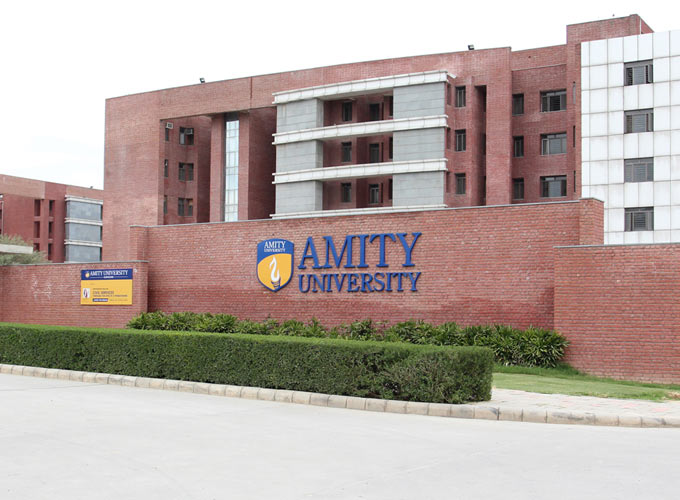
Education has evolved far beyond the traditional classroom, with digital technology redefining how knowledge is accessed and delivered. Today, students and professionals alike are embracing amity university admission for online programs that provide flexibility, diverse course offerings, and opportunities for skill development across multiple disciplines. Online learning platforms allow learners to study at their own pace, manage schedules, and access world-class resources from anywhere, making education more accessible than ever before.
The rise of online education has opened doors for lifelong learners, career changers, and remote students. With courses spanning technical, creative, and professional fields, online learning ensures that anyone can acquire relevant skills regardless of location. By integrating interactive content, virtual collaboration tools, and real-time feedback, online programs empower learners to gain expertise efficiently while remaining engaged and motivated. This evolution in education is making learning more inclusive, adaptable, and personalized than traditional methods ever could.
Why Students Choose Digital Learning Over Traditional Classrooms
The shift toward online education is driven by convenience, accessibility, and the ability to tailor learning experiences. Modern learners prioritize flexibility and quality, seeking platforms that allow them to study effectively without being confined by location or time.
- Flexible Scheduling for Modern Lifestyles
Online learning allows students to fit education around professional commitments, family responsibilities, or other obligations. By choosing programs through amity university admission, learners gain access to structured curricula that can be accessed at any time of day. This flexibility enables students to balance multiple priorities while staying consistent with their academic goals. For working professionals, asynchronous lectures and recorded sessions provide the freedom to revisit materials whenever needed, promoting better retention and understanding.
- Access to Global Resources
Online platforms provide unparalleled access to a variety of learning materials from across the world. Students can study research papers, multimedia content, and interactive tools without geographic restrictions. Engaging with international resources broadens perspectives and exposes learners to diverse methodologies. By incorporating global examples into their online coursework, students gain insights that help prepare them for careers in a globally connected marketplace, making online learning both practical and forward-looking.
- Interactive and Engaging Content
Unlike traditional classrooms, online courses use multimedia, simulations, discussion forums, and interactive quizzes to enhance learning. These methods increase engagement and enable learners to apply theoretical knowledge in practical contexts. For students enrolled via amity university admission, online tools such as live webinars, peer feedback, and virtual labs create dynamic learning experiences. Such interactivity makes education more stimulating, keeping students motivated while fostering collaborative problem-solving skills.
- Cost-Effective Learning Options
Online education often reduces expenses associated with transportation, campus accommodation, and printed materials. Students can access quality programs from anywhere without incurring additional costs of relocation. This affordability makes higher education more accessible and inclusive, particularly for learners from remote areas or those managing financial constraints. By leveraging online courses, learners maximize educational opportunities while minimizing overheads, demonstrating how digital education aligns with modern financial realities.
- Personalized Learning Experiences
Adaptive technologies in online courses allow content to be tailored to individual learners’ progress. Students receive targeted recommendations, practice exercises, and personalized assessments that adapt to their pace and understanding. Using online platforms, learners can revisit concepts, explore additional modules, or focus on areas requiring improvement. Personalized learning ensures that students remain engaged and gain the most from their online education, reinforcing knowledge retention and practical application in real-world scenarios.
The Growing Popularity of Online College Courses
Online college courses are transforming higher education by offering accessibility, convenience, and an array of programs for students seeking flexible learning options. They allow learners to progress at their own pace while exploring diverse fields.
- Wide Variety of Programs
Online college courses cover undergraduate, postgraduate, diploma, and certification programs across fields such as IT, business, engineering, creative arts, and healthcare. Students choosing programs via amity university admission can select courses aligned with career aspirations or personal interests. The extensive availability of online courses ensures that learners can pursue specific skill sets without limitations imposed by geographic location, enabling lifelong learning and professional advancement.
- Collaborative Online Learning Communities
Virtual classrooms foster interaction and collaboration through discussion boards, group projects, and peer assessments. Online students engage with peers worldwide, sharing perspectives and solving problems together. These virtual learning communities create a sense of belonging, motivate students, and simulate real-world collaboration, ensuring that digital learners experience social and professional skill development alongside academic growth.
- Expert Instruction and Mentorship
Many online courses are taught by industry professionals and academic experts who provide guidance, feedback, and mentorship. Students benefit from the experience and knowledge of instructors while accessing flexible online schedules. Programs linked to amity university admission often combine expert-led lectures with interactive discussions, ensuring that learners gain practical insights applicable to their careers.
- Flexible Assessment Methods
Online courses employ diverse evaluation techniques, including quizzes, projects, case studies, and presentations. Students can demonstrate mastery in multiple formats that reflect their learning style. By using online assessments, learners experience less pressure than traditional timed exams, while educators gain a more comprehensive understanding of students’ capabilities, fostering both skill development and confidence.
- Continuous Skill Upgradation
Digital education enables learners to continually update their knowledge and acquire new skills. Short-term online certifications, workshops, and professional courses allow students to stay relevant in fast-changing industries. These opportunities empower individuals to transition careers, specialize in niche areas, or enhance current expertise without committing to lengthy on-campus programs.
Conclusion
Online education is redefining how knowledge is accessed and skills are acquired, providing unparalleled flexibility and convenience. From amity university admission to online college courses, digital platforms empower learners to pursue higher education and professional development without geographic or time constraints. Online learning ensures accessibility, engagement, and personalized progress tracking, helping students achieve their goals efficiently.
Skill2Work offers a range of online courses tailored for learners seeking skill enhancement and career advancement. Through structured programs, expert mentorship, and interactive online experiences, they equip students with in-demand skills while enabling flexible learning from anywhere. By prioritizing practical knowledge and professional readiness, they ensure that learners taking online college courses can confidently progress in their careers and achieve educational success in a dynamic, digital world.