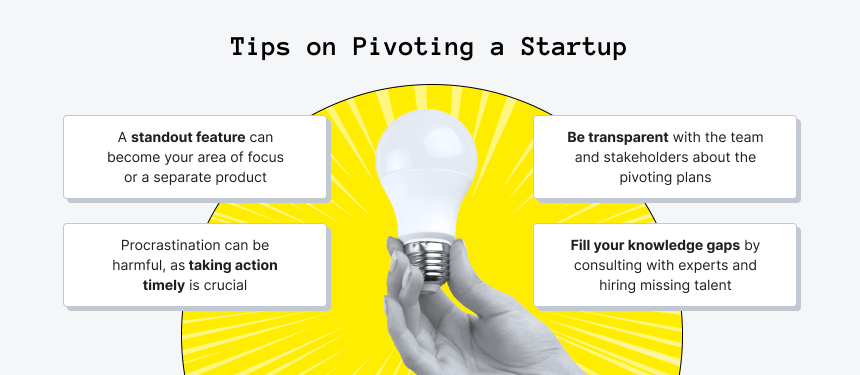
In the startup world, the word “pivot” can often be found to be celebrated – a change in focus to find product-market fit. But what happens if you have to make changes more fundamental than a simple pivot? Here is where corporate restructuring comes to the rescue. It is a survival and growth strategy that is often overlooked by startups, but it is about more than changing your product; it is about changing the DNA of your company.
Difficult but Required Decisions
Restructuring is more than just a change in business model; it is a strategic action. It is executive-level difficult strategic decision-making that involves making tough financial and operational decisions, such as recapitalisation or asset disposals, to improve the company’s future financial position and attract the right type of investment.
Beyond the Initial Idea: When Restructuring Becomes Necessary
Startups live in a world that is inherently unpredictable and unstable. A pivot may effectively address misalignment with a product-market fit, but restructuring considers the more substantive financial, operational or legal structure of a start-up.
- Market Dynamics: Sudden changes in consumer behavior, legislation, and competition can deteriorate an existing structure from a functioning, viable operation to a company with unintended consequences
- Funding Problems: A struggle to raise capital can prompt a start-up to identify its burn rate, operations or its ownership structure
- Growth Opportunities: It can be more common for a start-up to be active in restructuring efforts to embrace new market opportunities, such as acquiring a competitor or spinning off a new highly operational department into a new company.
Types of Startup Restructuring (Beyond the Pivot)
Restructuring can take on many structures, each of which carries its own consequences for the future of the startup.
Financial Restructuring
This usually happens when a startup is running low on money or wants to adjust its capital structure.
- Recapitalisation: Changing the weight of debt vs equity without changing the total capitalisation, for example, going from debt to equity to minimise cash outflow, like issuing new preferred shares.
- Down Rounds: Raising new money at a lower valuation than previous rounds. This is a hard decision to make but is often necessary in order to extend the runway and avoid the very worst outcome: bankruptcy.
- Asset Sales: Selling non-essential future cash flows to increase cash, redeploy that cash elsewhere, and streamline operations. For someone who has the CMA course details, one of your skills will be linking the consequences of your choices to the financial outcome in the organisation’s accounting practices, and the most recent choice will have a very real impact on internal financial reporting practices and strategic cost management.
Operational & Organizational Restructuring
This category includes changes to the internal workings of a company to become more efficient or to accommodate new strategies.
- Divestitures/Spin-offs: the separation of a business unit or product line into an independent company to create value or raise the level of focus.
- Organisational Realignment: the reorganisation of teams, flattening organisations/subdividing into departments to reflect a change in strategy or market focus. This will often follow a pivot where the current organisational structure needs to reflect the new path taken by the company.
Corporate & Legal Restructuring
These involve more complicated changes regarding the legality or ownership of the company.
- Mergers & Acquisitions (M&A): A startup might need to acquire a smaller company for technology, talent, or market share, or they might get scooped by a larger company. They are complex legal and financial transactions that usually require valuation and analysis of possible synergies, areas where people who take the CFA course duration (especially covering advanced levels) gain expertise.
- Reverse Mergers: A private company can go public without raising its own capital by merging into a public shell.
- Formation of Joint Ventures: A business enters a partnership with another business to pursue a particular project or market, and in doing this creates a new legal entity.
The Role of Strategic Financial Skills
No one is more valuable than the professional who understands the complex financial models and valuation techniques. The extensive CMA course details cover financial planning and performance and allow for strategic decision-making that provides an important internal perspective.
The long-term commitment of the CFA course duration gives students advanced knowledge of investment analysis, valuation and essential skills to assess M&A deals and consider the effect of a spin-off on shareholder value. Ultimately, when restructuring is done strategically, not only does it allow startups to avoid existential threats, but it also allows startups to emerge with a stronger, more focused, and better-equipped organisation for long-term growth and success! It’s a measure of adaptability and strategic vision, further and farther than a canny pivot.