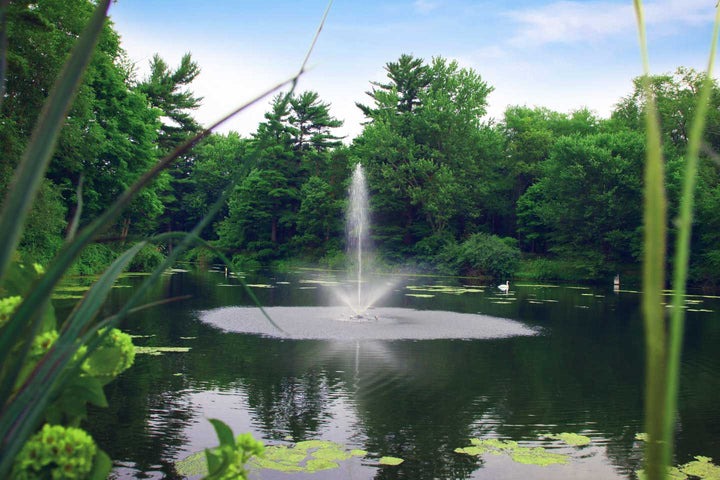
A $15,000 fountain sitting at the bottom of your pond because you missed one detail during installation. It happens more often than you’d think. Large pond Scott fountains require careful planning before they ever touch the water.
The difference between a successful installation and a costly mistake often comes down to what you check before delivery day. Some property managers skip site assessments and pay for it later with damaged equipment or poor performance.
Understanding Your Pond Depth and Bottom Conditions
Depth matters more than most people realize. A Scott fountain designed for 8 feet of water won’t work right in 15 feet. The intake pulls from the wrong depth, and circulation suffers.
Measure depth in multiple spots. Ponds settle unevenly over time. What started as a uniform 10-foot basin might now range from 7 feet to 13 feet across different areas. Use a weighted line or depth finder to map the bottom.
Bottom composition affects stability, too. Soft muck means the fountain might sink or tilt over time. Rocky bottoms can damage mooring lines. Clay provides good holding but hardens in drought conditions.
Silt depth tells you about long-term maintenance needs. A pond with 3 feet of accumulated sediment needs dredging before you install expensive equipment. The fountain won’t fix that problem and might make it worse by stirring up decades of settled material.
Electrical Requirements and Power Access
Large fountains pull serious amperage. A 5-horsepower unit needs 240-volt service and draws around 25 amps at full load. You can’t just plug it into a standard outlet.
Distance from shore creates voltage drop issues. Running power 300 feet to the middle of a pond means a bigger wire than you’d use for a 50-foot run. Undersized cable causes the motor to overheat and fail early. Some installations need wire gauges you don’t see in typical residential work.
Permitting gets complicated fast. Underwater electrical work falls under strict codes. Most jurisdictions require licensed electricians and inspections. Budget 3 to 6 weeks for permits in areas with thorough review processes.
Ground fault protection isn’t optional. GFCI breakers trip if water gets into the connections. This saves lives but means your fountain shuts off when moisture appears. Waterproof junction boxes and proper sealing prevent nuisance trips.
Water Quality Testing Before Installation
Test your water before spending thousands on equipment. High mineral content corrodes components faster. Iron levels above 0.3 mg/L stain everything the fountain touches. Calcium deposits clog spray nozzles within months in hard water areas. pH extremes damage seals and gaskets. Water below pH 6 or above pH 9 shortens equipment life. You might need water treatment before the fountain ever starts.
Existing algae problems won’t disappear just because you add a fountain. Dense algae growth clogs intakes immediately. Consider treating the pond first, then installing the fountain to prevent future blooms.
Dissolved solids create operational headaches. Water with high TDS leaves mineral buildup on every surface. Spray patterns change as nozzles partially clog. Cleaning frequency jumps from monthly to weekly.
Access and Maintenance Planning
Getting to your fountain for service sounds simple until you need a boat in November. Cold water, wind, and short days make maintenance miserable. Plan access during the design phase.
Shore distance affects every service call. A fountain 50 feet from the bank is easy to reach. One sitting 400 feet out requires a boat, good weather, and extra time. Labor costs multiply with distance.
Seasonal removal gets expensive for large units. A 5-horsepower fountain with a mooring system weighs several hundred pounds. You need a lift system, dock space, and dry storage. Some property managers leave units in place year-round and accept the risk.
Winter damage is real in cold climates. Ice expansion crushes spray nozzles. Freezing water cracks pump housings.
Spray Pattern Selection and Wind Considerations
Different nozzles create different effects. A high vertical spray looks impressive but loses water to wind drift. Wide, low patterns keep water in the pond but might not break up stratification as well.
Wind speed averages tell you what to expect. Suppose your site sees regular 15 mph winds. Plan for the spray to travel 30 to 40 feet horizontally. Position the fountain far enough from shore to avoid watering sidewalks and buildings.
Professional vs DIY Installation
Large fountain installation isn’t a weekend project. The electrical work alone requires professional help in most locations. Add permits, heavy equipment needs, and liability concerns, and DIY becomes risky. Professional installers carry insurance. If something goes wrong, you’re covered. They also know local requirements and have relationships with inspectors. The installation moves faster and passes inspection the first time.
Cost differences are real but perhaps not as large as you’d expect. A professional installation runs $2,000 to $5,000 for a mid-sized fountain. DIY saves labor but you still need permits, materials, and tools. You also assume all risk if problems develop later.