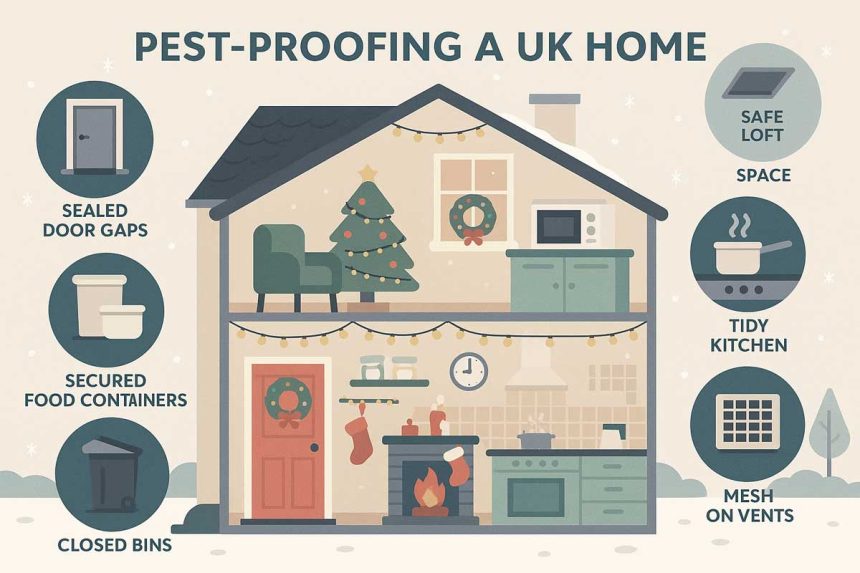
Keeping pests away is super important for a comfy and safe home. You can do some easy DIY stuff to keep those pesky bugs. By using these tips, your place stays protected all year.
The best part? They’re simple and work really well. Just check for any gaps and seal them up, and store things properly. Doing these things regularly gives you peace of mind, keeping your home pest-free without much hassle. Enjoy living in a secure and easy-going space!
Seal Cracks and Gaps
Want to keep creepy-crawlies out of your house? It’s easier than you think! Start by checking around outside, especially near windows, doors, and where the house sits on the ground. These are sneaky spots for bugs.
Use some caulk or weatherstripping to seal them up tight. Don’t forget about places where pipes and wires come through the walls; pests love those areas too. Use strong stuff that can handle the weather and last a while.
Keep an eye on these seals and check them often to make sure they’re doing their job. Not only will this keep unwanted visitors out, but it’ll also keep your home warm by blocking cold air. It’s a simple and cheap way to avoid pesky critters.
Install Screens on Vents and Windows
Fitting fine mesh screens on your vents and windows is a cracking way to let in fresh air without the unwanted company of bugs. Whether it’s a kitchen vent or a bedroom window, the trick is to get them snug, leaving no gaps for any sneaky creatures.
You might want to use a mesh size of about 1 mm, perfect for keeping out those pesky UK nuisances like wasps, midges, and fruit flies.
For a quick fit check, hold a sheet of paper near the screen and feel for any drafts. Some folks even suggest the candle test—watch the flame flicker to spot any sneaky breezes.
Keep an eye on your screens regularly. Spotting damage early is key, and if you find any holes or tears, patch them up pronto. A zip-tied strip or a quick patch from your local B&Q will do the job nicely.
While there might be an initial cost, like a £20 roll of aluminium mesh, it’s a small price compared to the annoyance of a few bites from fruit flies. And it’s a sound investment for long-term peace of mind.
Go for weather-proof materials like aluminium or stainless steel. Aluminium resists rust, while stainless steel offers durability; check for any signs of corrosion now and then.
Keep airflow nice and fresh by giving your screens a regular clean. A gentle wipe with a damp cloth or a soft brush for stubborn grime should do the trick.
Especially during those warm UK summers, these screens let you enjoy open windows without the buzzing invasion of mosquitoes and flies.
If DIY isn’t your cup of tea, you might want to check local hardware stores for pre-cut kits or hire a professional for tricky spots like loft vents.
And here’s a little story: last summer, my neighbour fitted a mesh on her kitchen extractor vent and didn’t have a single bug bother her while she cooked—even kept the windows open while the kids played outside!
So, why not give these screens a go? Whether you tackle it yourself or call in a local handyperson, it’s a simple step towards a more bug-free home. Enjoy a bug-free summer!
Keep Food Stored Properly
Keeping food stored right is key to keeping pests away. Just pop all your food, even pet food, into airtight containers so pests don’t get a whiff.
Keep your cupboards tidy because crumbs and spills are like invitations to insects. Throw out expired food asap to stop those pesky pests from sticking around.
Get everyone at home to help keep the kitchen clean. It makes a big difference in keeping pests away and keeps everything looking nice. Buying good storage containers is a smart move—they help you stay organised.
A clean kitchen tells pests they’re not welcome, helping you keep a healthier home. By sticking to this easy routine, you can relax knowing you’re stopping those annoying bugs from moving in.
Declutter Regularly
Keeping your home tidy isn’t just about looks—it helps keep pests away too. If you clear out clutter regularly, you’ll get rid of places where pests like to hide. Try going through your attic or basement first.
If you’ve got stuff you don’t use anymore, either toss it or donate it. This gives you more space and fewer spots for pests to hang out. Keep boxes and containers off the floor so they don’t get damp and attract bugs.
A clutter-free home is a big step in stopping pests from coming in. Check your storage areas often to make sure no sneaky critters have moved in.
By doing this, you might not even need to call a pest control company, saving you some cash and stress. Remember, a tidy house is a happy and pest-free one!
Maintain Outdoor Areas
Keeping your garden tidy is super important, not just to make it look nice, but to keep pests away too. Chop back trees and bushes so pests can’t use them to sneak into your house. Don’t forget to clean out your gutters; you don’t want mosquitoes breeding in any leftover water.
Keep firewood and stuff like that a good 20 feet from your place to keep termites and rats at bay. Cutting the grass regularly helps keep pests from making a home there. If all this sounds like a lot, getting some pros to help out might be a good shout.
A neat garden not only boosts your home’s look but also keeps pesky critters away, making sure your place stays comfy all year round.
Fix Leaks and Moisture Issues
Dealing with leaks and damp spots is super important if you want to keep pests away. Bugs love moist places, so check your house for leaks in the plumbing or roof. Look under sinks, around appliances, and in basements since they tend to get damp.
Using dehumidifiers can really help lower moisture levels, making your home less inviting to pests. Plus, fixing these issues stops mold from growing, which is bad for your health. Regularly checking for water damage helps catch problems early and makes repairs easier and cheaper.
Keeping your home dry and in good shape means bugs are less likely to move in. Taking care of your house like this keeps it healthier and pest-free, giving you peace of mind all year round.
Conclusion
Keeping pests away isn’t just about dodging bugs; it’s about making sure your home stays comfy and safe.
You can do simple things yourself, like blocking entry points, tidying up, and keeping things clean. This not only makes your place nicer and healthier but also saves you money on pest control.
These tricks are easy to stick to and keep your mind at ease long-term. Give these ideas a go to enjoy a calm, pest-free home all year round. Just a bit of effort now can stop bigger problems later.