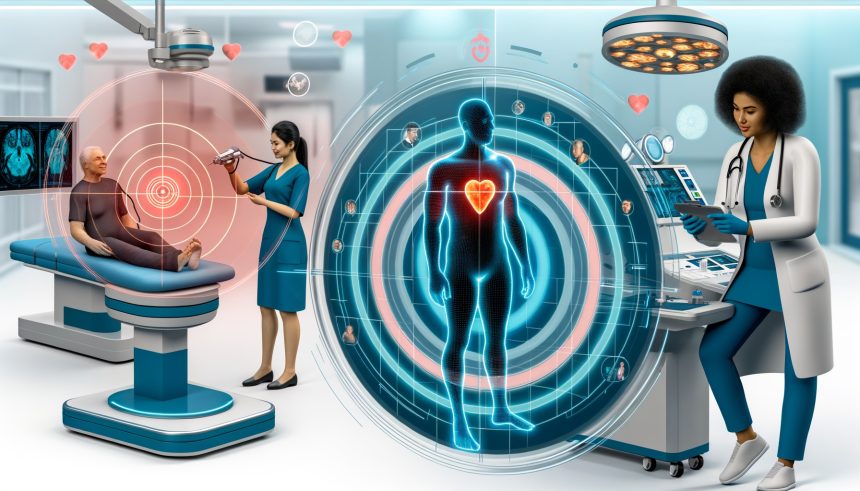
A New Age of Health Awareness
For most of medical history, care has been reactive. People waited for pain, discomfort, or visible symptoms before seeking help. But today, a major shift is happening. Artificial intelligence is giving people clues about their health long before anything feels wrong. Instead of guessing, patients can now see patterns in blood markers, daily habits, and environmental exposures that reveal risks early. This “pre-diagnosis era” is helping people act sooner, feel safer, and stay healthier for longer.
Many experts believe this future will become normal over the next decade. The rise of wearable devices, continuous monitoring, and affordable lab tests gives AI more data to study. These systems can spot trends that are too small for humans to notice. They can warn someone weeks or months before symptoms start. This approach does not replace doctors. Instead, it supports them by showing what is hidden and giving patients a head start.
One leader in this movement is Max Marchione, Co-founder and President, Superpower.
“I struggled for years with chronic migraines, and the most frustrating part was not knowing what was really happening. When I built our platform, I wanted people to finally get answers before they suffered. I saw users catch issues early when our AI highlighted subtle biomarker shifts. I love watching people feel in control of their health again instead of waiting in the dark.”
How AI Understands the Body Before the Body Understands Itself
AI learns by spotting patterns inside massive amounts of health data. It can compare heart rate trends, blood markers, mineral levels, sleep cycles, movement patterns, and thousands of daily signals. When something begins to drift away from a healthy pattern, the system raises a flag. The person may not feel anything yet, but their body is sending silent signs that a risk is forming. This creates a chance to change diet, lifestyle, or habits before a problem becomes serious.
This type of early detection also helps prevent chronic disease. For example, a slight rise in inflammation markers could warn about future joint or immunity issues. A shift in glucose patterns might hint at insulin resistance before prediabetes forms. Small changes in breathing or stress patterns could show early cardiovascular strain. When people learn this early, they can adjust before long-term damage happens.
AI is also transforming care in unexpected fields, including dentistry and dental surgery, where early detection is often overlooked. Dental health links to heart disease, HIV, cancer, and more. Problems in the mouth often signal problems in the body.
Tom Terronez, CEO of Medix Dental IT, sees how AI will change dental care from the ground up.
“I work every day with clinics that want to catch risks earlier, and technology is making that possible. When we analyzed security and imaging patterns, we found many practices could identify issues weeks before patients felt discomfort. I enjoy helping teams use AI to protect both patient data and long-term health. When clinics adopt these tools, they cut complications and build stronger trust with patients.”
Why Early Health Signals Matter for Every Patient
In the past, people often ignored tiny discomforts or waited to see if something improved on its own. Many conditions progressed quietly until they reached a point where treatment was harder, more expensive, or more painful. The pre-diagnosis era helps end that pattern. Instead of reacting, people get to prepare. Instead of fearing what they cannot see, they get the clarity they need to make confident choices.
AI can track patterns across thousands of similar cases. If it sees warning signs that match early signals from past patients, it alerts users with personalized suggestions. This could mean adding certain nutrients, checking a toxin exposure, watching hormone levels, or adjusting sleep habits. It is like having a system that whispers, “Something is starting, but you can stop it now.”
Doctors are also using AI to support plastic surgery, where safety and precision are essential long before the first appointment. Patient readiness, inflammation levels, healing predictions, and risk markers all play a role in planning safe procedures.
Dr. Tomer Avraham of Avraham Plastic Surgery understands this deeply.
“I see how helpful early insights can be, even in procedures people think are straightforward. When I review data trends, I often find subtle risks that we can address before a patient ever feels a symptom. I enjoy explaining these patterns so patients feel prepared and supported. When we combine AI with medical judgment, we improve safety and create better outcomes.”
How AI Helps Build Stronger Habits Before Illness Appears
One of the most powerful parts of early detection is how it builds long-term habits. When people understand their health earlier, they take actions that protect them for years. AI becomes a teacher, showing what works and what does not. Its feedback feels personal and practical, not confusing or overwhelming.
For example, someone may have normal test results but still show hidden warning signs. Their liver markers might fluctuate slightly. Their sleep cycles might shift. Their stress patterns might spike in the afternoon. AI brings these tiny clues together and shows how they connect. With this information, a person can change their daily routine now, not later.
These early lessons also help people avoid panic. Instead of discovering a problem suddenly during a major event or hospital visit, they see potential risks slowly and clearly. This calm awareness leads to better mental health, better decisions, and a sense of personal power.
Max Marchione’s vision for Superpower reflects this preventative mindset.
“When users start seeing their trends improve, it changes everything. I watched people go from confused to confident just by understanding their biomarkers. I enjoy watching them celebrate small wins that add up to huge gains. When people feel informed, they take charge of their future instead of fearing it.”
The Future of Healthcare Is Prepared, Not Panicked
The future of medicine will not wait for symptoms. It will focus on prevention, prediction, and preparation. AI will continue to learn from millions of data points, giving people early warnings that support safer and healthier choices. This will reduce hospital visits, lower long-term costs, and help people stay strong as they age.
Doctors will still guide decisions, but AI will help them see what is normally invisible. It will offer suggestions, highlight risks, and monitor health quietly in the background. Patients will feel more connected to their bodies, and healthcare will feel more human instead of rushed or reactive.
Tom Terronez sees this shift coming fast.
“When clinics use AI for early insights, they spend less time fixing emergencies and more time preventing them. I’ve seen practices transform by adopting these tools. I enjoy helping leaders bring this technology forward in ways that protect patients and strengthen care. When everything works proactively, everyone benefits.”
Conclusion: Prevention Is Becoming the New Standard
The pre-diagnosis era is not just a trend. It is a turning point. AI gives people the power to understand their health earlier than ever before. It allows doctors and patients to work together with more confidence and clarity. It opens the door to proactive, personalized, and stress-free care.
This future will feel natural. It will feel safe. And it will help people live longer, healthier lives.