
When it comes to climate change and being climate-conscious, all markets and industries around the world need to do what they can. When you first think of sustainability and climate zones, what first comes to mind? Sure, the powerful voice of Greta Thunberg and your own country’s initiatives to save and become greener where possible, isn’t that right? The earth’s temperature has risen by an average of 0.11° Fahrenheit (0.06° Celsius) per decade since 1850. Yes, you heard that correctly, since 1850. And every day, it keeps getting warmer and warmer. This has led to catastrophic events happening around the world, the extinction of animals and then a slow end to the world as people know it. That’s why industries that you might not initially think about carrying a carbon footprint come into play. It’s not just about large oil and aviation manufacturers; industries all around the world need to step up and be better. Interestingly enough, an eye is being cast on the betting and gambling industry. The big question is whether they can go carbon neutral. They’re massive markets. The online gambling market in India is a rapidly growing sector, with an estimated 40% of Indian adults having participated in at least one form of online gambling. The market was valued at approximately $2.85 billion in 2023 and is projected to reach over $10 billion by 2030. Or take it to the other side of the world. The U.S. online gambling market is a rapidly expanding industry, projected to reach approximately $14.79 billion by 2031, up from an estimated $6.89 billion in 2026.
See? Massive markets and with so many players engaging online, it only makes sense that the digital carbon footprint is large. But how can the gambling industry go carbon neutral? Is it even something that can be done? Is it something they’re willing to do? Well, it’s time to break this topic down into digestible chunks and look at it critically. Starting with where their footprint comes from. Ready to learn more? Great, it’s time to explore.
Energy and Emissions: Where the Footprint Comes From
Before diving into solutions, it’s worth understanding what exactly the gambling industry needs to reduce. The footprint comes from two broad areas: physical facilities and digital operations.
Land-based casinos are big energy consumers. You’ve got expansive buildings that stay lit and cooled around the clock, hotel rooms that need heating or cooling, restaurants and entertainment venues filled with people and fleets of staff commuting to work. These physical sites are obvious sources of emissions.
Then there’s the digital side, which has become more and more popular over the past decade or two. This is where you’re looking at online gambling sites, digital betting platforms, casinos and sportsbooks. They don’t have slot machines or lounges but they do rely on powerful servers, data centers and communications infrastructure that run 24/7. All of that electricity adds up. Even though online gambling’s direct footprint is smaller than some sectors, the overall digital footprint isn’t negligible. Industry estimates suggest that online gambling accounts for a notable slice of carbon emissions in the digital economy and many operators are starting to address it head-on.
The First Big Step of Renewable Energy and What You Must Know
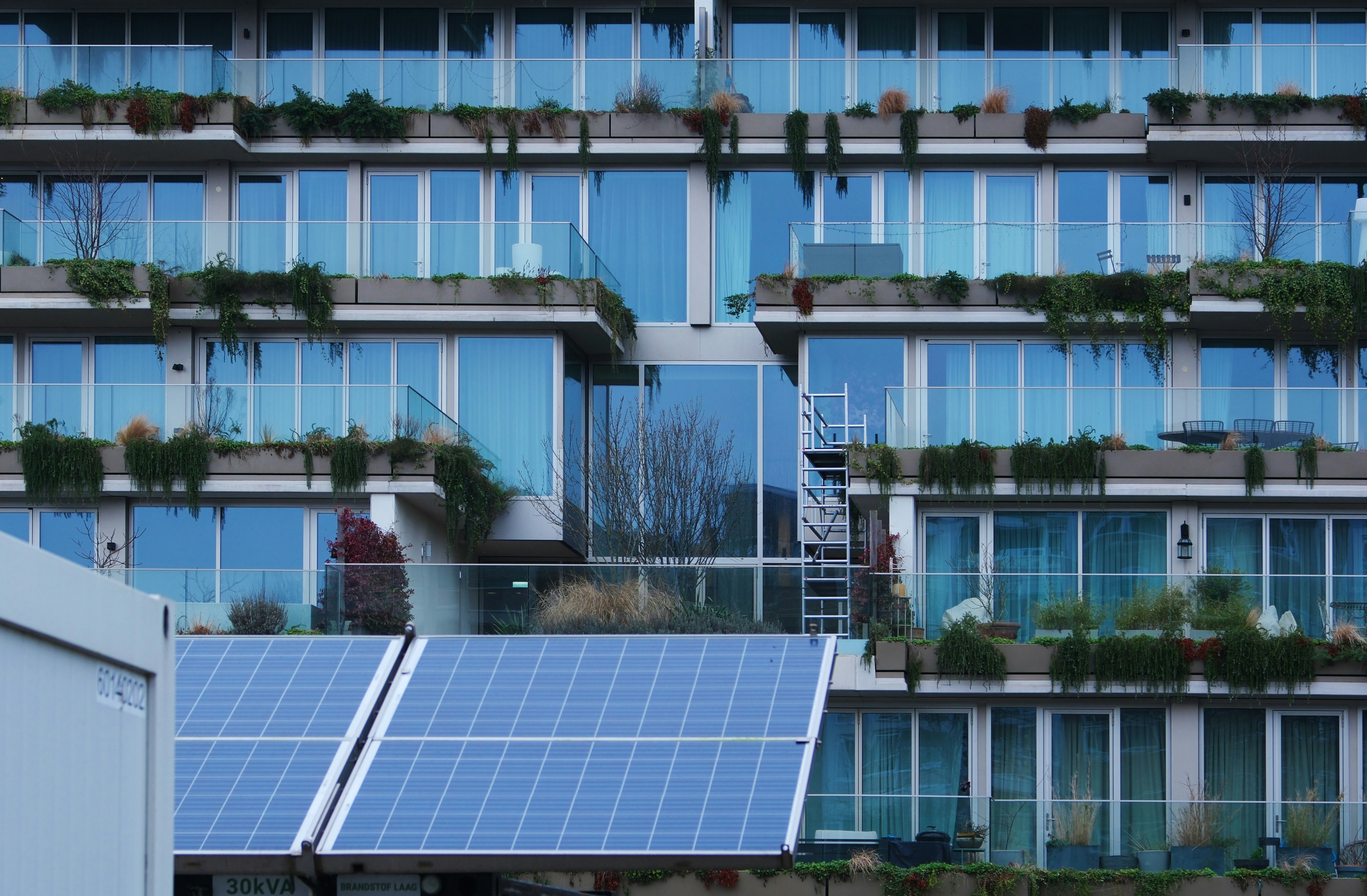
For any carbon-neutral ambition, the obvious first step is shifting to renewable energy. A carbon-neutral claim can’t hold water if most of the electricity powering your servers or casino floors still comes from fossil fuels.
Some operators are already doing this. Major online brands have moved significant parts of their infrastructure onto renewable energy sources like solar, wind or hydro. Certain data centers are even hosted on green energy that dramatically cuts emissions compared with standard grid power. That’s particularly important for live betting platforms, which require fast, always-on servers to handle transactions and gameplay.
For physical venues, solar panels on rooftops and renewable energy purchasing agreements are becoming more common. These options not only reduce emissions but often lead to long-term cost savings on electricity bills, which is one reason operators find them attractive beyond just the environmental edge. But can solar panels really help enough? Are there enough solar panels in the world to alleviate the stress that physical casinos put on the carbon load? It’s tricky to say and likely only something that till will be able to answer.
Carbon Offsets Are a Bridge and Not a Fix
Shifting entirely to renewables is ideal but it’s not always immediately feasible. For many operators, negotiating direct renewable contracts or investing in solar arrays can be expensive or logistically tricky, especially across multiple jurisdictions.
That’s where offsets come into play. A growing number of gambling companies are purchasing carbon credits to mitigate emissions they can’t yet avoid. These credits often fund reforestation or clean energy projects elsewhere, theoretically balancing out a company’s footprint.
Offsets are controversial in broader sustainability discussions because they aren’t a direct reduction in emissions. They’re more like a financial bet on environmental gain somewhere else. But as part of a transition plan, they can give companies breathing room while they build toward deeper cuts at the source. But that’s only if these companies take the responsibility to actually use this breathing room properly. What a lot of companies do is purchase these offsets but then never try to fix the problem. This puts a lot of pressure on areas in which the offsets are bought, often worsening the climate in those countries. It can be quite a sad chain of events if not done consciously.
EMBED YOUTUBE LINK HERE: https://www.youtube.com/watch?v=0VTQ_RtK3y8
Responsible Tech Shows Efficiency Behind the Scenes
The gambling industry isn’t just thinking about where energy comes from; it’s also thinking about how much it uses. Digital platforms have started adopting more efficient technologies to reduce their environmental impact.
Virtualization and server optimization are two key strategies. Virtualization lets multiple software systems run on fewer physical machines, which cuts down unnecessary hardware and saves energy. Streamlined software and better coding practices also mean that servers can handle more with less power draw, a small technical tweak but one that adds up at scale.
Data centers themselves are a big opportunity. Traditional data centers chew up power not just for servers but for cooling systems. Some gambling operators partner with facilities that use fresh air cooling or advanced energy storage.
Corporate Commitments For Targets and Transparency
A key part of moving toward carbon neutrality is setting targets and reporting progress. Many companies now release sustainability reports that lay out goals, like reducing total emissions by a certain percentage or switching to 100 percent renewable energy by a target year. Public reporting keeps companies accountable and it gives customers a way to compare providers if environmental stewardship matters to them.
According to industry data, a significant number of operators have sustainability initiatives in place, and many plan to increase their investment in these programs. Some have even woven sustainability into their corporate social responsibility strategies, rather than treating it as a side project.
What Could Going Green Really Look Like?
It’s one thing to talk about sustainability in theory and another to see it in action. Some operators have taken concrete steps that illustrate what climate-conscious betting looks like. Here are a few examples of how companies could play their part in a more impactful way:
- Shifting hosted services to renewable-powered data centers, cutting backend emissions dramatically.
- Setting net-zero targets decades in advance, with structured plans around energy reduction, renewables and offsets.
- Reducing traditional energy use at physical venues through efficiency upgrades and solar installations.
- Investing in data center technologies that lower power use without sacrificing performance.
It’s not easy. It will take a lot of work, planning, organization and effort but it’s worth it in the long run.
Challenges and What’s Still Missing For This to Really Have the Chance of Working
Despite progress, there’s a gap between ambition and reality. Not every operator has set net-zero goals and many still lack basic measurement of their carbon emissions, which is a critical first step to actually reducing them. According to some estimates, only a quarter of gambling operators actively measure their emissions, which makes tracking progress difficult.
Another challenge lies in the physical side of the business. Land-based casinos have significant built-in energy needs and updating infrastructure across old properties can be expensive and logistically complex. Unlike digital platforms, you can’t just flip a switch to renewables; there’s a lot of physical retrofitting involved.
Lastly, offsets need careful scrutiny to ensure they’re credible and actually reduce carbon, which isn’t always straightforward.
Is Carbon Neutral Betting Realistic?

So, can the gambling industry go carbon neutral? The short answer is yes but it’s going to take work and time. For online operators, the path is clearer: renewables, efficiency and thoughtful offsets make net-zero goals achievable within the next decade for many. For brick-and-mortar casinos, the path is steeper but not impossible, especially with renewables and energy reduction technologies.
One thing that casinos and online operators can maybe think about is that sustainability isn’t just good for the planet; it’s becoming good for business. Players care about environmental responsibility and a strong sustainability identity can set a brand apart in a crowded market. In this digital era, companies need to do all they can to differentiate themselves from an already saturated market and being more climate conscious could be just the ticket.
In the end, climate-conscious betting isn’t just about checking a box. It’s about rethinking how an industry built around entertainment can also carry a sense of responsibility for the environment that makes it possible. With thoughtful initiatives, transparent targets and continued innovation, a carbon-neutral gambling industry is an ambitious bet but one that feels more achievable every year. You’ll just have to wait and see how this topic unfolds. The hope is that online gambling becomes greener and greener as the years go on.