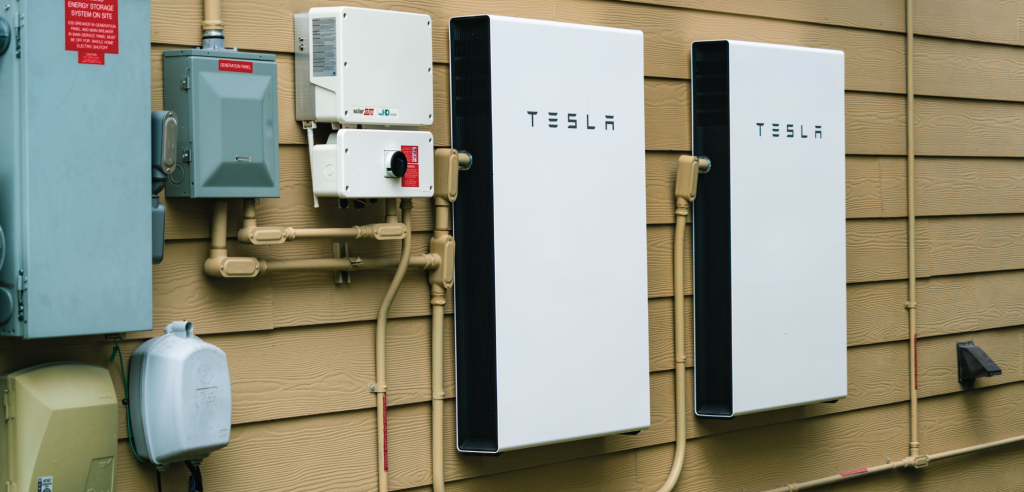
When people talk about solar power, most of the focus stays on panels. Panels on the roof, panels facing the sun, panels producing electricity, etc. But panels alone do not solve everything.
Solar energy comes during the day, but life continues even after sunset, right? This gap is where solar batteries come in! A solar battery stores the electricity your panels make when you are not using it right away. That stored power can then be used later, i.e., at night, during power cuts, or when the grid supply is unstable.
Not all batteries work the same way, though. Some are basic, some last longer, and some cost more upfront. Understanding these differences is important.
What a Solar Battery Actually Does
At a simple level, a solar battery does one job. It stores electricity!
During the day, your solar panels may produce more power than your home needs. Instead of sending all that power back to the grid, a battery holds onto it. Later, when solar production drops, the battery supplies energy to your home. This makes solar more useful. It also reduces how much power you need to pull from the grid.
Why Battery Type Matters
Choosing a solar battery is not just about capacity or price. It affects how often you replace the battery, how much energy you can really use, and how reliable your system feels day to day. Some batteries look cheaper at first, but wear out quickly. Others cost more but quietly work for many years. That difference matters over time. Let us look at the different types of batteries.
Lead Acid Batteries
Lead-acid batteries have been around for a long time. They are familiar and widely used in many backup systems. People often choose them because they cost less upfront.
Key features of lead-acid batteries:
- They are heavier and larger
- Some types need regular checking
- They do not like deep discharge
- Their usable energy is limited
If you drain them too much, their life reduces faster. Because of this, not all stored energy can be used safely.
On the positive side:
- They are easier to find
- The initial cost is lower
- Technology is well known
Lead-acid batteries may work for small systems or limited usage. But for daily solar use, they often feel restrictive over time.
Lithium Ion Batteries
Lithium-ion batteries are now very common in solar systems. Phones, laptops, and electric vehicles also use this technology. For home solar, they are popular for a reason. Some key characteristics:
- They last longer
- They store energy more efficiently
- Most of the stored power can be used
- They take up less space
They also require less maintenance compared to older battery types. The main concern is cost. Lithium-ion batteries cost more upfront. But many people accept this because they usually last much longer and deliver more usable energy every day. Over several years, this balance often makes sense.
Flow Batteries
Flow batteries work differently. They store energy in liquid form inside tanks. The size of the tank controls how much energy can be stored. These batteries are not very common in homes yet. Some things to know:
- They last a long time
- They handle frequent charging well
- They need more space
- Setup is more complex
Because of these reasons, flow batteries are mostly used in large systems, not in typical houses.
Other Battery Types You May Hear About
There are newer solar battery ideas being tested and improved. These include:
- Sodium-based batteries
- Saltwater batteries
- Solid-state batteries
They aim to improve safety or reduce material concerns. For now, most of them are still limited in availability or cost. They are interesting, but not yet a standard choice.
Things That Affect Battery Performance
Real life affects batteries. Heat, dust, charging habits, and usage patterns all play a role. Over time, batteries slowly lose capacity. This happens with all types. The rate just differs. This is why advertised numbers never match daily experience exactly.
Benefits of Using Solar Batteries
The advantages of using a solar battery are:
- Power available after sunset
- Reduced grid dependence
- Backup during outages
- Better use of solar energy
- More predictable electricity use
For many homes, this stability matters more than maximum savings.
Drawbacks to Keep in Mind
There are also certain drawbacks you must be aware of:
- Batteries increase system cost
- Replacement is eventually needed
- Storage is limited by capacity
- Performance changes over time
Being aware of this avoids unrealistic expectations.
Conclusion
All solar batteries are different. Lead-acid batteries are basic and affordable but limited. Lithium-ion batteries, on the other hand, are more efficient and last longer, though they cost more upfront. Other battery types exist, but are still uncommon for homes.
The best choice depends on how you use electricity, how long you plan to rely on solar, and how much flexibility you want.
When battery choice matches real usage, solar energy becomes more practical and less stressful. Over time, that balance matters more than technical details.