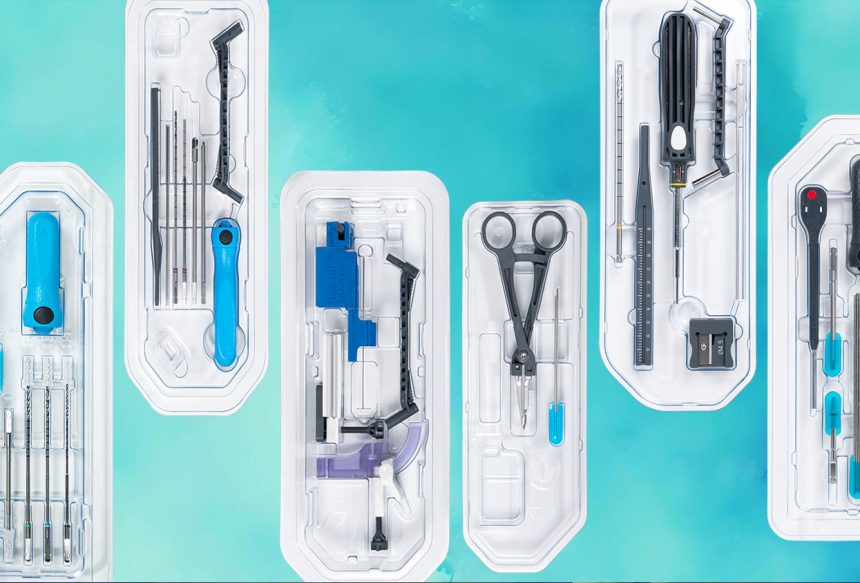
In recent years, the healthcare industry has witnessed significant advancements in medical technology, leading to the increasing adoption of single use instruments. These instruments have become integral to various medical procedures, offering numerous benefits over traditional reusable tools.
Advantages of Single Use Instruments
Single use instruments are designed to be disposed of after a single patient use, thereby reducing the risk of infection and cross-contamination. This is especially crucial in clinical environments where patient safety is paramount. Single use instruments ensure that each patient receives a sterile device, eliminating the possibility of pathogen transfer.
Cost-Effectiveness and Efficiency
While the initial perception might suggest that single use instruments could be more costly, they can actually result in cost savings. The reduction in sterilisation costs, along with the elimination of risks associated with sterilisation errors, contributes to this. Additionally, single use instruments can streamline the workflow in busy healthcare settings, as they do not require time-consuming cleaning and sterilisation processes.
Innovations in Single Use Instrumentation
Advancements in material technology have facilitated the production of high-quality single use instruments that offer comparable performance to reusable ones. These innovations ensure that healthcare professionals can perform procedures with precision and confidence, knowing that they are using reliable and effective tools.
Environmental Considerations
Despite the advantages, the use of single use instruments does raise concerns about environmental impact. The healthcare industry is increasingly focusing on developing sustainable practices to address these issues. This includes investing in biodegradable materials and improving waste management systems to minimise the ecological footprint.
Safety and Compliance
Single use instruments must adhere to stringent safety standards and regulatory requirements. Manufacturers are required to follow comprehensive guidelines to ensure that their products are reliable and safe for patient use. This compliance helps to maintain the trust of both healthcare providers and patients in the integrity of single use devices.
Impact on Infection Control
The importance of infection control has been underscored in recent years, particularly with the global attention on healthcare-associated infections (HAIs). Single use instruments significantly contribute to infection control measures by providing healthcare settings with sterile tools for each procedure.
Role in Resource-Limited Settings
In resource-limited settings, single use instruments can play a pivotal role. They eliminate the need for complex sterilisation infrastructure, which might be lacking in these environments. This ensures that the standard of care is maintained, even in places with limited access to resources.
Case Studies and Practical Applications
Several case studies highlight the successful integration of single use instruments in diverse clinical practices. From dental procedures to surgical interventions, these tools have proven to be invaluable in enhancing patient outcomes and operational efficiency.
Future Perspectives
As technology continues to evolve, the future of single use instruments looks promising. Innovations are likely to focus on enhancing the functionality and sustainability of these devices, aligning them with modern healthcare needs and environmental stewardship.
Challenges and Considerations
Despite their advantages, the adoption of single use instruments is not without challenges. Addressing the environmental impact and ensuring the economic viability of these tools in all healthcare settings remain ongoing considerations for the industry.
Conclusion
The rising importance of single use instruments in modern healthcare is undeniable. These tools play a critical role in enhancing patient safety, improving efficiency, and providing a reliable option for infection control. By continuing to innovate and address environmental concerns, the healthcare industry can leverage the full potential of single use instruments to meet the needs of both healthcare providers and patients.