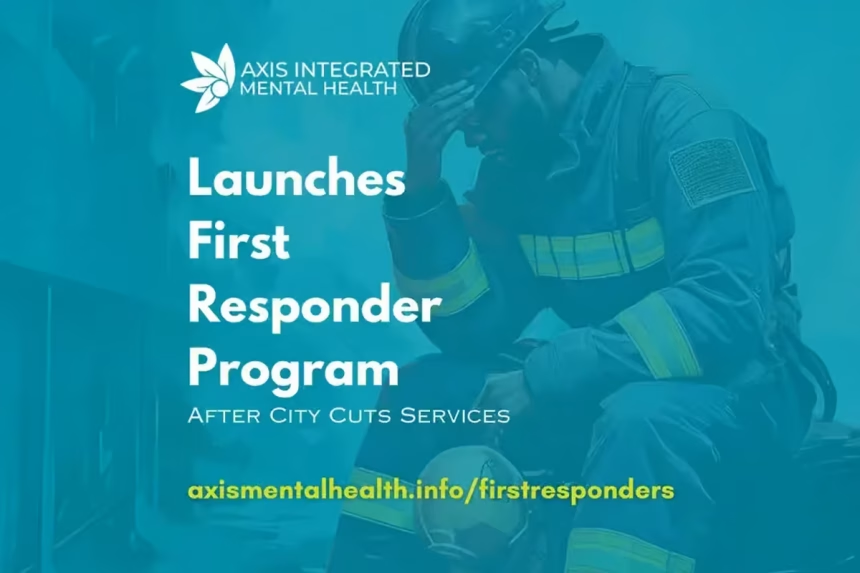
Every call can change a life. Pain, loss, and fear are observed by the first responders. They all run to danger, and othersrun away. They save lives. They protect families. Yet the cost can be high. The mind might not repose after a traumatic call. Sleep may fade. Sadness may grow. In the long run, depression may reign.
Help is not weakness. Help is strength. That is why therapy depression for First Responders matters so much. It gives space to heal. It offers tools to cope. It restores hope in day-to-day life.
The Burden of Traumatic Calls
Police officers, firefighters, and paramedics are prone to trauma. A bad crash. A house fire. A violent scene. A child in danger. These scenes remain in the mind. The images might remain even after the shift.
At first, stress feels normal. The body stays alert. The heart beats fast. Sleep feels light. Nevertheless, stress, which fails to dissipate, may become more profound. Sadness may linger. Joy may fade. Energy may drop. This is where therapy for depression for First Responders becomes vital.
Traumatic depression is a normal occurrence. It does not imply that somebody is weak. It translates to the fact that too much has been too long upon the shoulders of the mind.
Abnormalities of Post Traumatic Depression
A large number of first responders conceal their pain. They stay strong for others. Still, the signs often show up.
- They are likely to be fatigued at all times.
- They can become uninterested in their hobbies.
- They can become alienated from family.
- They might be guilty of calls that they had no control over.
- They may feel numb.
Sometimes anger grows. In other cases, tears are unexpected. In other instances, there is nothing that is real. Such signs cannot be disregarded. Early care through therapy for depression for First Responders can stop the pain from getting worse.
The problem of why First Responders Struggle in Silence
Service culture emphasizes strength. It values bravery. It values control. Due to this, a large number of the first responders are afraid to seek help. They worry about judgment. They are afraid that it will have an impact on their employment.
But silence exacerbates depression. When pain remains concealed, it develops. The trauma remains unresolved, thereby damaging the mind and body.
Open talk saves lives. Mental health care should be safe. Therapy for depression for First Responders offers that safe place. It gives free conversation without embarrassment.
How Trauma Changes the Brain
Trauma does not just have imaginary consequences on the brain. The brain remains in danger mode. Stress hormones stay high. Sleep becomes hard. Memory may change.
In the long run, such stress may result in depression. The brain is unable to experience happiness. The body feels heavy. Simple tasks feel hard.
It is good news that the brain can heal. Balance may be restored with the proper support. Therapy for depression for First Responders helps calm the stress system. It assists the brain to feel secure once again.
The Use of Therapy in the Aftermath of Hard Calls
The conversation with a professional therapist can transform everything. Therapy provides an opportunity to exchange painful memories. It also imparts the ability to handle stress.
Cognitive therapy assists in the transformation of negative thinking. As an illustration, a respondent can pin the blame on a loss to oneself. A therapist makes them see reality. They did their best. They are human.
The trauma-focused therapy is used to process the painful events. It reduces flashbacks. It lowers fear. With time, memories become dull.
Group therapy also helps. It can be powerful to sit down with other people who can empathize with the job. Shared stories reduce shame. Collective support develops power.
Through therapy for depression for First Responders, healing becomes possible.
The Power of Early Support
The results are better when the care is done in the early stages. Small steps are important even after a traumatic call. Discussion immediately after the incident may reduce risk in the long run.
Peer support teams can help. Debriefing sessions may be useful. Nevertheless, in case depression persists, further treatment is required.
Symptoms do not clear by being ignored. Instead, early therapy depression for First Responders prevents deeper suffering. It keeps careers strong. It keeps families connected.
Family Impact and Support
The responder is not the only one who is not unaffected by depression. It is touching partners and children as well. The relationships can be strained by changes in moods. Distance can be caused by withdrawal.
The family members might be confused. They might not be able to read the silence or anger. Clear communication helps. Family therapy can also help. It shows the loved ones to provide support without any coercion.
The healing is accelerated when the entire family gets to learn about the trauma. Therapy for depression for First Responders often includes family education. This creates a good network back home.
Healthy Coping Skills
Therapy is not just talk. It imparts everyday life tools.
- Breathing in and out relaxes the body.
- Simple exercise lifts mood.
- Energy is restored by healthy sleep habits.
- Journaling is the deactivation of suppressed thoughts.
Small steps add up. A short walk can ease stress. Some minutes of silence can balance the mind. Over time, these habits support the work done in therapy for depression for First Responders.
Breaking the Stigma
Change starts with leaders. When the leaders discuss mental health openly, the rest feel free to do so. Mental health education can be incorporated into training programs. Privately available counseling services can be provided by the departments.
The stigmas disappear when individuals tell recovery stories. Numerous vigorous responders have been treated for depression and reinstated into duty. Their stories inspire hope.
Seeking therapy for depression for First Responders should feel as normal as treating a broken bone. Both injuries deserve care.
Connection between traumas and depression
Depression and trauma tend to go hand in hand. The mind might end up being shut down upon repeated exposure to pain. Joy fades. Purpose feels distant.
Yet purpose can return. The service has a sense to most responders. Therapy eases the re-attachment of them to that meaning. It lets them know why they have taken this road.
Through therapy depression for First Responders, individuals rebuild identity and strength.
When Medication May Help
Sometimes, the therapy might not suffice. Medication can be prescribed by a mental health provider. Antidepressants have the ability of balancing the chemicals in the brain. They are able to minimize radical symptoms.
Medication is not a failure. It is a tool. In most cases, therapy and medication are synergistic. Every plan must suit the requirements of the individual.
A complete mental health evaluation is a guarantee of the proper course. Therapy for depression for First Responders often works as part of a wider care plan.
Creating Long Term Resilience
Being a healing process, it does not finish in a couple of sessions. Resilience grows over time. Frequent check-ins facilitate long-term health. The management of stress becomes a routine.
Mindfulness can assist the responders in being present. Mental strength is buttressed by physical fitness. Proper friendships limit loneliness.
Most of all, ongoing therapy for depression for First Responders provides a steady anchor. It provides instructions in the face of new challenges.
Real Stories of Hope
Most first responders have been devastated by traumatic calls. Others had been having sleeping problems. Some were numb towards their own families.
With therapy, change began. Sleep improved. Smiles returned. Relationships healed. Through these stories, one gets to see that recovery is real.
The career does not necessarily have to be characterized by pain. Courage is not eliminated by trauma. The difference is in support.
Taking the First Step
The initial move is the most difficult. Reaching out may feel scary. Yet it can also feel freeing. The telling of the truth takes the pressure off the heart.
The departments are able to make confidential referrals. Flexible hours can be provided at the clinics, which are privately run. Telehealth facilitates access more than ever.
Therapy for depression for First Responders starts with one call, one message, one brave choice.
Creating a Culture of Care
Powerful teams foster one another. They call in following tough calls. They notice mood changes. They speak up with kindness.
Signs of depression can be learned through training programs. The time off can be promoted by supervisors following a serious trauma. Other people can be directed to therapy by their peer mentors.
Caring culture rescues careers. It saves families. Most of all, it saves lives.
Moving Forward After Trauma
Life post-traumatic call can be different. Certain memories do not fade away completely. Yet they can lose their power. The heart will be light again with constant encouragement.
Every day living provides calmness. Connection brings comfort. Therapy brings clarity.
Therapyfor depression for First Responders gives tools to move forward with strength. It is a tribute to the service rendered as well as to that human face on the badge.
An Ultimate Encouraging Word
Service is noble. Sacrifice is real. But trauma should not be held by the individual. Posttraumatic call depression is widespread and treatable. Support exists. Healing is possible.
In case you or anyone you know feels bad after a tough call, then seek assistance. Expert help may bring back hope and proportion. At First Responders of California, caring therapists understand the unique stress of the job and provide trusted therapy for depression for First Responders with compassion and respect.