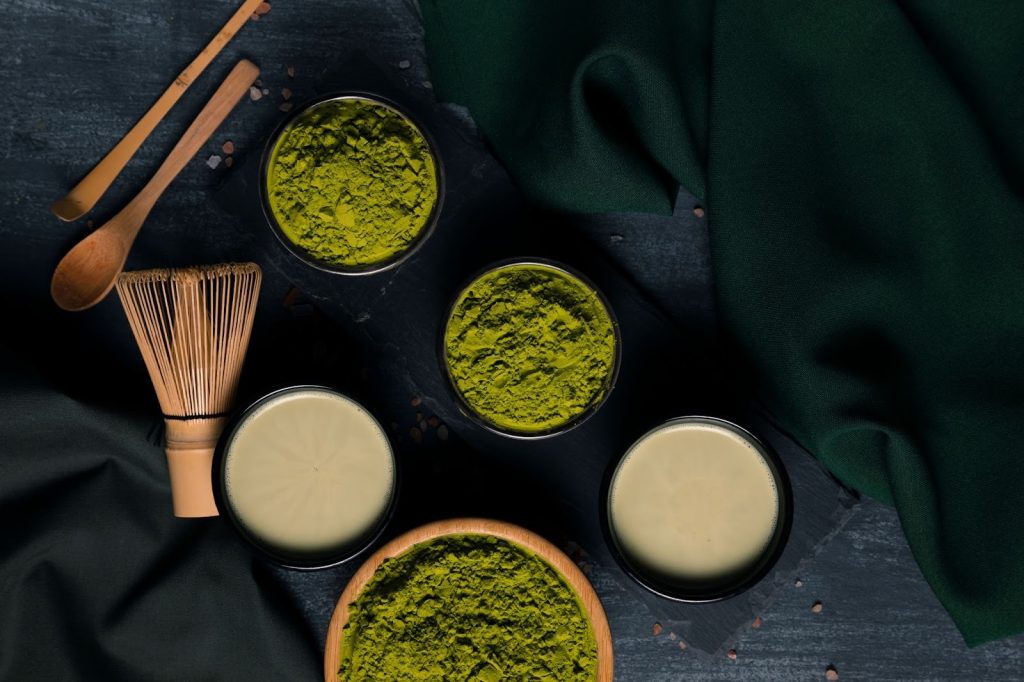
The allure of High Quality Matcha lies in its rich history, cultural significance, and numerous health benefits. Originating from China over a thousand years ago, this exquisite form of green tea was later perfected in Japan, where the traditional tea ceremony was developed. Today, high-quality matcha continues to be revered world-wide for its unique taste and vibrant colour.
Origins and Cultural Significance
The history of matcha is intertwined with Zen Buddhism and the Japanese way of tea known as “Chanoyu” or “Sadō”. Buddhist monks were among the first to cultivate and consume matcha, using it to enhance meditation and mindfulness. Over the centuries, matcha became an integral part of Japanese culture, celebrated not only for its taste but also for its spiritual benefits.
Understanding What Makes Matcha High Quality
High-quality matcha is distinguished by several factors. The cultivation process involves shading the tea leaves before harvest to increase chlorophyll levels and improve the amino acid profile. This shading results in a more intense green colour and a sweeter taste. Upon harvest, the leaves are steamed and then stone-ground into a fine powder, ready to be whisked into the water for consumption.
Nutritional and Health Benefits
Consuming matcha offers numerous health benefits due to its high concentration of antioxidants, particularly catechins. These compounds have been shown to reduce the risk of heart disease, boost metabolism, and even improve brain function. Additionally, matcha contains L-theanine, an amino acid that promotes relaxation without drowsiness, making it an ideal beverage for both mental alertness and relaxation.
Matcha in Culinary Arts
Beyond the traditional tea ceremony, matcha has found a valuable place in the culinary world. Its unique flavour profile makes it a popular ingredient in sweets, baked goods, and even savoury dishes. From matcha lattes to matcha-flavoured chocolates, the culinary applications are vast and continue to expand worldwide.
Choosing the Right Matcha for You
When selecting matcha, it is important to consider the intended use. Ceremonial grade matcha is the highest quality, suitable for traditional tea preparation and direct consumption. For culinary purposes, there are more affordable cooking grades that deliver flavour without the need for ceremonial precision.
Brewing the Perfect Bowl of Matcha
To experience matcha’s full potential, proper preparation is essential. Begin by sifting the matcha into a bowl to remove any lumps. Add hot water, ideally between 70°C and 80°C, and whisk vigorously in a “W” motion using a bamboo whisk until a frothy layer forms on top. This method helps fully integrate the powder into the water, ensuring a smooth and rich taste.
Recognising Authentic Matcha
Authenticity is crucial when sourcing matcha. True matcha comes from shade-grown green tea leaves known as tencha, which are grown in Japan, particularly in regions like Uji and Nishio. Be cautious of counterfeit products, which might be labelled as matcha but lack the unique properties of genuine ceremonial tea.
Environmental Impact and Sustainability
Sustainability is becoming more significant in the tea industry. High-quality matcha producers are increasingly adopting environmentally friendly practices, such as organic farming and sustainable packaging. These practices not only ensure the purity and safety of the product but also contribute positively to the environment.
Exploring the Differences with Other Green Teas
While matcha contains leaves that are ground into a powder, other green teas are typically steeped, meaning matcha provides the whole leaf’s nutrients. This results in higher potency in terms of caffeine and antioxidants when compared to regular green teas.
Innovations and Trends in Matcha Production
The matcha industry is continually evolving with innovations such as new cultivation techniques and flavour profiles. As consumer demand grows, producers are experimenting with hybrid cultivars and enhancing the antioxidant content of the matcha for an even healthier beverage.
Impact on Economy and Local Communities
The matcha industry supports local economies, particularly in rural Japan, where cultivation and production provide jobs and cultural continuity. Participating in fair trade practices also ensures that farmers receive a fair price, promoting social equity and economic stability.
Matcha as a Lifestyle
For many, matcha is more than just a drink. It represents a lifestyle choice focused on health, mindfulness, and sustainability. Embracing matcha’s benefits can lead to a deeper appreciation of one’s daily rituals and an enhanced quality of life.
Conclusion: Elevating Your Tea Experience
Embracing high-quality matcha allows individuals to indulge in a centuries-old tradition while reaping modern health benefits. Whether enjoyed through ritualistic tea ceremonies or culinary exploration, matcha continues to inspire and enrich lives globally. By understanding its origins, recognising quality, and appreciating its broader impact, one can truly elevate their tea experience.