In 2026, mental health conversations have expanded to include conditions that often go unnoticed, one of the most common being high-functioning anxiety. Unlike traditional anxiety disorders that may visibly disrupt daily life, high-functioning anxiety can exist beneath the surface, allowing individuals to appear successful, organized, and in control while internally struggling with persistent worry and stress.
High-functioning anxiety is not always formally diagnosed as a separate condition, but it shares many characteristics with generalized anxiety disorder. Individuals experiencing it are often high achievers—professionals, entrepreneurs, students, and parents who seem to manage everything effectively. However, behind the scenes, they may be dealing with constant overthinking, fear of failure, and an inability to truly relax.
One of the defining traits of high-functioning anxiety is perfectionism. People with this condition often set extremely high standards for themselves and feel intense pressure to meet them. While this can lead to impressive accomplishments, it also creates a cycle of stress and self-criticism. Even small mistakes can feel overwhelming, leading to a constant sense of unease.
Another common symptom is over-preparation. Individuals may spend excessive time planning, double-checking, and anticipating every possible outcome. While this can make them reliable and detail-oriented, it can also be mentally exhausting. The need to stay in control often prevents them from delegating tasks or trusting others, adding to their overall stress load.
Physically, high-functioning anxiety can manifest in subtle but impactful ways. Chronic muscle tension, headaches, fatigue, and difficulty sleeping are all common. Many individuals also experience a racing mind, making it hard to unwind at the end of the day. Over time, these symptoms can take a toll on both mental and physical health.
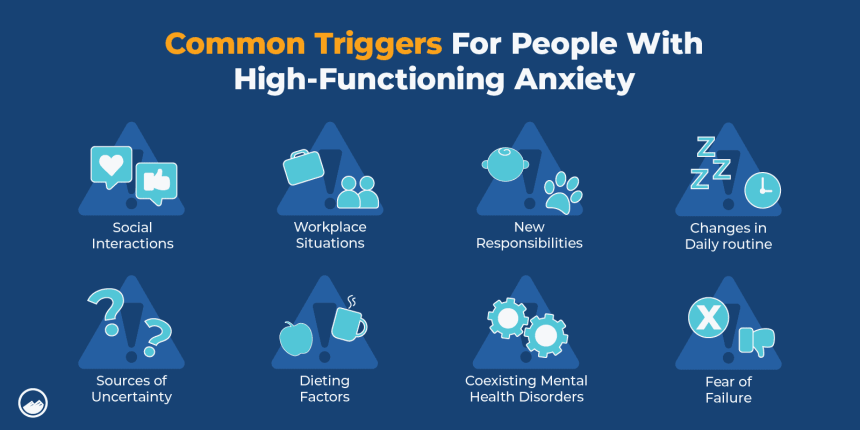
Socially, people with high-functioning anxiety may appear outgoing and capable, but internally they may struggle with self-doubt and fear of judgment. They often replay conversations in their minds, worrying about how they were perceived. This can lead to emotional exhaustion, even after positive social interactions.
One of the challenges with high-functioning anxiety is that it is often reinforced by external success. Because individuals are able to meet deadlines, achieve goals, and maintain responsibilities, their anxiety may go unnoticed or even be praised. This can make it difficult for them to recognize that their internal experience is not sustainable or healthy.
In today’s fast-paced, achievement-oriented culture, high-functioning anxiety has become increasingly common. The constant pressure to perform, stay productive, and maintain a certain image can contribute to ongoing stress. Social media also plays a role, as individuals compare themselves to curated versions of others’ lives, further fueling feelings of inadequacy.
Fortunately, there are effective ways to manage high-functioning anxiety. One of the most important steps is awareness. Recognizing that constant stress and overthinking are not normal or necessary for success is key. Many individuals benefit from working with a mental health professional, such as a psychiatrist Fort Wayne , who can help identify patterns and develop personalized coping strategies.
Cognitive behavioral therapy (CBT) is one of the most effective treatments for anxiety-related conditions. It helps individuals challenge negative thought patterns and replace them with more balanced perspectives. For example, instead of assuming that a small mistake will lead to failure, individuals learn to view it as a normal part of growth.
Mindfulness practices are also highly beneficial. Techniques such as meditation, deep breathing, and grounding exercises can help calm the mind and reduce the intensity of anxious thoughts. These practices encourage individuals to stay present rather than becoming overwhelmed by future uncertainties.
Setting boundaries is another critical component of managing high-functioning anxiety. Many individuals struggle to say no, leading to overcommitment and burnout. Learning to prioritize tasks and create realistic expectations can significantly reduce stress levels.
Lifestyle changes also play an important role. Regular exercise, a balanced diet, and consistent sleep patterns can improve overall mental health. Physical activity, in particular, has been shown to reduce anxiety by releasing endorphins and promoting relaxation.
In some cases, medication may be recommended as part of a comprehensive treatment plan. A psychiatrist can evaluate symptoms and determine whether medication could help manage anxiety more effectively. When combined with therapy and lifestyle changes, medication can provide significant relief for those who need it.
It is also important to address the stigma surrounding anxiety, especially in high-performing individuals. Many people feel that admitting to anxiety is a sign of weakness, but in reality, it is a common and treatable condition. Open conversations about mental health can help normalize these experiences and encourage more people to seek support.
In conclusion, high-functioning anxiety is a hidden but impactful challenge in modern life. While it may drive individuals to succeed, it often comes at the cost of their well-being. By recognizing the signs, seeking professional support, and adopting healthier coping strategies, individuals can achieve a more balanced and fulfilling life. Success does not have to come with constant stress, and with the right tools, it is possible to thrive without the burden of anxiety.