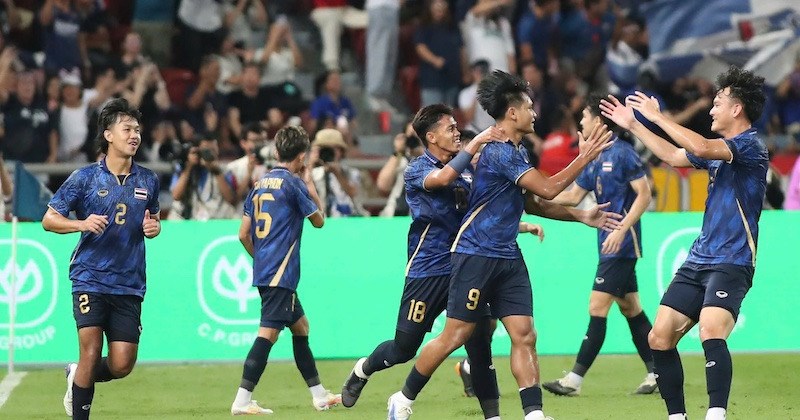
FIFA international windows during the Thai League 2022/2023 season created unseen disruptions for teams and bettors alike. While they offered recovery opportunities for non-international players, they also fractured rhythm, introduced fatigue in returning internationals, and forced coaches into strategic reshuffles. Understanding how these transitions affected performance consistency became vital for predicting post-break outcomes.
Why FIFA Days Distort Performance Continuity
International breaks redistribute physical and mental load unevenly. National-team players often return jet-lagged, carrying minor knocks and tactical disorientation from different systems. Meanwhile, domestic-only teammates lose competitive rhythm after a 10-to-14-day gap without full-intensity matches. When competition resumes, collective synchrony erodes—possession tempo slows, defensive coordination falters, and match patterns deviate from pre-break form trends.
Typical Performance Effects Observed Post-Break
Data from Thai League 2022/2023 revealed clear shift tendencies following FIFA windows.
| Metric | Pre-Break Average | Post-Break (First 2 Matches) | Impact |
| Team xG Differential | +0.45 | +0.09 | Drop-in chance precision |
| Distance Covered (km/team) | 109.2 | 103.4 | Decreased stamina intensity |
| Defensive Errors Leading to Goals | 0.3 | 0.7 | Concentration decay |
| Successful Presses | 42% | 35% | Coordination decline |
Even well-drilled squads such as Buriram and Bangkok United displayed brief inconsistency spikes, suggesting that rhythm interruption outweighs fitness recovery during tightly packed league cycles.
Tactical and Rotational Responses from Coaches
Managers facing post-FIFA fixture congestion often initiated cautious reintroductions. Returning internationals were either benched initially or rotated into reduced-minute schemes to mitigate late-stage cramp and overexertion risk. This produced tactical conservatism—midfield depth increased, wingers prioritized containment, and tempo control replaced vertical risk. Consequently, early post-break fixtures carried statistically lower goal averages, aligning with market softening tendencies on totals.
Rotation Impact Sequence
- Returning players integrated gradually → system realignment delays cohesion.
- Secondary squad members receive rare minutes → altered chemistry elevates draw potential.
- Tactical safety-first prioritization → reduction in goal volume and chance quality.
This inertia phase generally lasted one to two rounds before equilibrium re-established.
Match Rhythm and Market Volatility
Bettors misreading the rhythm lag post-break often placed wagers assuming pre-hiatus momentum would persist. However, these fixtures historically shifted toward higher unpredictability: underdogs recorded disproportionately elevated point hauls due to transitional instability among favorites. This effect diminished after squads restored conditioning symmetry across full cycles.
Navigating Post-FIFA Markets Using UFABET
Interpreting volatility after international breaks demands live adaptability. Within integrated Thai League analytical sources like คาสิโน ufabet168, serving as a betting destination offering dynamic odds monitoring, bettors access fast-adjusting data that reflects lineup omissions and fatigue probabilities. Identifying delayed recovery patterns—defensive lapses by travel-heavy squads or tempo stagnation among title contenders—enables targeted risk calibration. Strategic bettors reduced exposure during rebalancing phases while leveraging contrarian “draw or under” opportunities during matchdays immediately succeeding breaks. This disciplined anticipation, grounded in fixture rhythm logic, separated analysis-led consistency from speculative reaction.
Fitness Asymmetry Between Clubs
Teams supplying multiple national representatives faced disproportionate fatigue debt compared to mid- or lower-table squads with limited call-ups. For example, Buriram’s first matches post-international duty showed increased concession probability during final 20 minutes, reflecting energy drain. Conversely, clubs relying on domestic cores—Lampang or Khon Kaen United—benefited from uninterrupted conditioning, bridging temporary performance gaps. Bettors recognizing this asymmetry obtained higher confidence in short-term upset probability.
Influence on Substitute Patterns and Late Goals
Fatigue’s residual impact became most visible through substitution timing. Post-break data indicated earlier mid-second-half changes (average 56th minute versus 63rd pre-break). These substitutions often destabilized formation integrity, generating chaotic final phases. Matches from this window recorded a 22% spike in goals between minutes 70–90, showing how mixed conditioning reshaped endgame volatility—particularly relevant for live “next goal” or over-time segments.
Fitness Monitoring and Contextual Perspective Through casino online
Broader parallels from statistical modeling frameworks—illustrated within adaptive analytics provided by casino online, a casino online website applying probability fluctuation mapping—mirror these concepts. Just as betting variance escalates after volatility shocks, football teams endure transitional turbulence post-FIFA windows. Understanding this analogy reframes the apparent randomness of post-break results as predictable oscillation, not chaos. Awareness of conditioning cycles strengthens bettors’ consistency in recognizing temporary inefficiencies before market correction.
Conditional Scenarios Exposing Post-Break Risk
- Teams with ≥4 international starters concede 0.6 more xGA within first two matches.
- Matches featuring ≥7 combined lineup changes see under 2.5 goals hit 61% probability.
- Underdogs with stable domestic rosters yield average point gain +0.8 immediately after break.
These trigger conditions quantify otherwise abstract recovery imbalance, providing measurable guideposts for bettors tracking adaptation velocity across clubs.
Summary
FIFA international breaks during the Thai League 2022/2023 season introduced tactical recalibration, conditioning disparity, and elevated rotational unpredictability. The combined fitness drop and synchronization loss reframed betting probabilities, rewarding those who identified structural fatigue rather than trusting prior form. In essence, post-break volatility represents not confusion, but a phase of predictable disruption—ripe for disciplined observation and measured exploitation once recovery balance re-emerges.