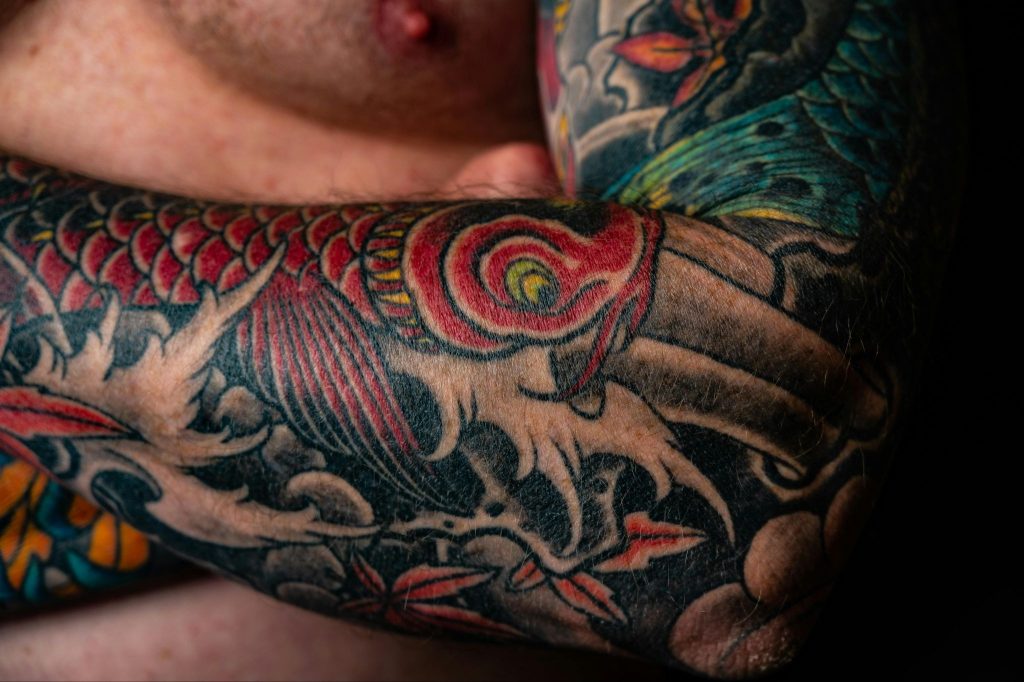
Pain is one of the main reasons people hesitate before booking a tattoo, a piercing, or a cosmetic treatment. The procedure itself appeals to them. The discomfort that comes with it doesn’t. For some people, the anticipation of pain is enough to put them off entirely, or to limit the size, placement, or duration of something they actually want done.
Numbing cream addresses that problem directly. Applied to the skin before a procedure, it reduces sensitivity significantly and makes the experience considerably more manageable. It’s widely used across tattoo studios, cosmetic clinics, and beauty salons, and it’s available for people to apply themselves at home before their appointment.
That said, numbing cream isn’t something you just smear on and forget about. How you apply it, when you apply it, and which product you use all affect how well it works. This article covers how topical numbing cream functions, what procedures it’s suited to, and what you need to know before using it.
The Science Behind How Numbing Cream Works
Numbing cream is a topical anaesthetic. It works by temporarily interrupting the nerve signals in the skin that communicate pain to the brain. The active ingredients penetrate the outer layer of skin and act on the nerve endings underneath, reducing their ability to send pain signals for a defined period.
The most commonly used active ingredients in effective numbing creams are lidocaine and prilocaine. These are local anaesthetic agents that block sodium channels in nerve cell membranes. When sodium channels are blocked, the nerve can’t generate the electrical impulse that travels up to the brain as a pain signal. The result is a localised reduction in sensation, the skin feels dull, pressure remains detectable, but the sharp pain associated with needles, ink, or other forms of skin penetration is significantly reduced.
The effect is temporary. Once the active ingredients are metabolised by the body and their concentration in the tissue drops below the threshold needed to block nerve signals, sensation returns to normal. The duration of effective numbing depends on the product’s concentration, how it was applied, and individual factors including skin thickness and circulation in the area.
What Procedures Numbing Cream Is Used For
The range of procedures where numbing cream is genuinely useful is broader than most people initially think. Tattoos are the most commonly associated use, but the applications extend well beyond that.
Tattooing is an obvious fit. The needles used in tattooing penetrate the skin repeatedly at high speed, which is inherently painful, particularly over sensitive areas or during long sessions. Numbing cream reduces that sensation to a manageable level, allowing clients to sit for longer, stay calmer, and give the artist a steadier canvas to work on. A client who isn’t tensing through pain is easier to work with, and the results often reflect that.
Piercings benefit in a similar way. The initial piercing moment is brief but intense, and for people with a low pain threshold or anxiety about the procedure, a numbing cream applied beforehand reduces the sharpness of that moment considerably.
Cosmetic tattooing, which includes procedures like microblading, eyebrow tattooing, lip blush, and eyeliner tattooing, involves repeated fine needle passes over sensitive facial skin. These areas are amongst the most painful for any kind of needle work, and numbing cream is standard practice in most professional cosmetic tattooing settings.
Laser treatments, both laser hair removal and laser tattoo removal, involve bursts of intense light energy that create a snapping or burning sensation. Numbing cream applied beforehand significantly reduces the discomfort of these sessions, making them more tolerable particularly over larger treatment areas.
Body waxing is another common use. The sudden removal of hair from the root creates a sharp, brief pain that numbing cream reduces, particularly for first-time waxing clients or those having work done in sensitive areas.
Injections, including cosmetic injectables such as dermal fillers and anti-wrinkle treatments, also benefit from numbing. The injection point itself is brief but the anticipation of it creates anxiety that numbing cream helps manage.
How Numbing Cream Differs In Strength And Formulation
Not all numbing creams are the same. Products vary in their concentration of active ingredients, the formulation used to deliver those ingredients into the skin, and the duration of their effectiveness.
Stronger formulations with higher concentrations of lidocaine and prilocaine produce deeper and longer-lasting numbing. They’re better suited to longer procedures, larger areas, and more painful treatments. Lower concentration products are appropriate for shorter, less invasive procedures where only mild numbing is needed.
Numbing products also come in cream, gel, and spray formats. Creams are the most commonly used for pre-procedure application because they stay in place under occlusive wrap. Gels have a slightly different texture and absorption profile. Sprays are often used during procedures, particularly in tattooing, where they can be applied directly to broken skin that is already being worked on to extend the numbing effect mid-session.
The colour coding used by some brands to indicate different strengths is a practical system for choosing the right product for a given procedure, but it only means something in relation to that specific brand’s product range. A black label from one manufacturer doesn’t automatically compare to a black label from another.
Timing And Application: Where Most People Go Wrong
The most common reason numbing cream underperforms is simple. It wasn’t applied far enough in advance.
Topical anaesthetics don’t work on contact. They need time to penetrate the outer layers of skin and reach the nerve endings below. Applying cream twenty minutes before a procedure and expecting full numbing rarely works. The standard recommendation is to apply the cream to clean, dry skin approximately one hour before the procedure begins. Some areas with thicker skin benefit from slightly longer application times.
The application itself needs to be generous. A thin smear doesn’t achieve the same penetration depth as a thick, even layer. Cover the entire area being treated, apply enough that the cream is clearly visible on the surface, and cover it with cling wrap to prevent it from drying out and to create a slightly occlusive environment that drives the ingredients deeper into the skin.
Keep the wrapped area still and warm during the application period. Cold and movement both reduce absorption. Remove the cream cleanly about five minutes before the procedure starts, ensuring the skin surface is clear before any needles or equipment touch it.
When To Consult Before Using Numbing Cream
Most people can use topical numbing cream without any particular concern. That said, a few situations warrant checking with a professional first.
People with known sensitivity or allergies to local anaesthetic agents, particularly amide-type anaesthetics like lidocaine or prilocaine, should confirm safety before use. Those with certain medical conditions affecting heart rhythm or blood pressure should also seek advice, as high concentrations of topical anaesthetics applied over large areas can have systemic effects in rare cases.
Applying numbing cream to broken, inflamed, or damaged skin is not recommended. The skin barrier’s normal regulatory function is compromised when the skin is broken, which changes how much of the active ingredient absorbs and at what rate.
Pregnant women and people who are breastfeeding should consult a healthcare professional before using numbing cream, as with any topical product containing pharmacologically active ingredients.
Authenticity Matters More Than People Realise
The market for numbing cream in Australia includes counterfeit products that look identical to genuine ones but contain incorrect concentrations, inactive ingredients, or substances that haven’t been tested for skin safety. A fake product doesn’t just fail to numb. In some cases it causes reactions that create problems going into a procedure.
Authentic products are verified through hologram stickers and other authentication features. Buying from a reputable Australian stockist rather than an unverifiable overseas source removes that risk entirely.
The difference between a genuine product and a convincing fake can be invisible until you’re on the tattoo table wondering why nothing is working. Authenticity isn’t a minor detail when you’re about to have needles in your skin.