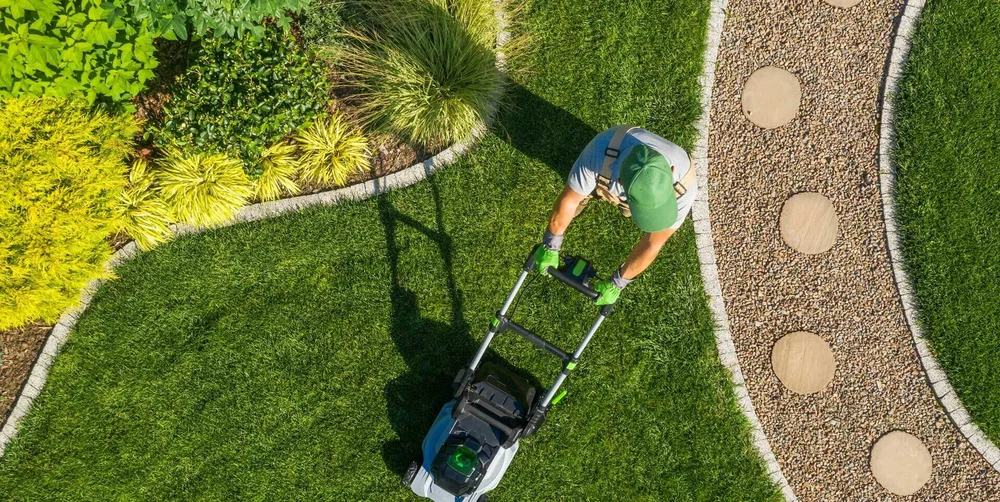
A lush, green lawn is a priority for many homeowners and property managers in the Gympie region, but achieving and maintaining excellent turf requires starting with the right variety and sourcing from a reliable supplier. The Wide Bay hinterland and coastal areas have distinct soil types and climate conditions, and understanding these factors is the key to selecting a grass that will thrive in your specific location.
Understanding the Wide Bay climate and its effect on lawn selection
The Gympie and Wide Bay region experiences a subtropical climate with warm, humid summers and mild winters. Rainfall can be significant during the wet season, while extended dry periods are also common, particularly during winter months. These conditions favour warm-season grasses that can handle both excess moisture and dry spells without losing their resilience. Selecting a variety suited to these climate extremes is the foundation of a successful lawn.
Soil composition in the Wide Bay area varies considerably depending on proximity to river systems, elevation, and historical land use. Sandy soils drain quickly and may require more frequent irrigation and fertilisation, while clay-heavy soils retain moisture but can become compacted and waterlogged if not managed correctly. A soil test before laying new turf gives you a clear picture of the amendments needed to create the best possible growing environment.
Sun exposure is another critical factor in turf selection. Lawns that receive full sun throughout the day can support a wide range of varieties, while those with significant shade from buildings, fences, or large trees require varieties with superior shade tolerance. Choosing a grass that is not suited to the light conditions of your garden will result in patchy, thin growth and ongoing frustration, regardless of how well you water and fertilise.
Local knowledge matters enormously when it comes to turf selection and installation. Suppliers who operate in and around the Gympie and Wide Bay area understand the regional soil types, rainfall patterns, and common challenges that homeowners face. Sourcing quality turf supplies Gympie from an experienced regional supplier gives you access to that expertise alongside the product itself, making it much easier to choose the right variety and get your new lawn off to the best possible start.
Popular turf varieties suited to the Gympie region
Zoysia grasses have become increasingly popular in subtropical Queensland due to their excellent drought tolerance once established, their relatively low maintenance requirements, and their attractive, fine-bladed appearance. Zoysia varieties handle the warm summers of the Wide Bay region well and tend to maintain their colour through the cooler winter months better than some other warm-season options. Their slower growth rate means less mowing, which appeals to many homeowners.
Buffalo grass remains a perennial favourite across Queensland for good reason. It offers strong shade tolerance compared to most other warm-season varieties, grows vigorously during the wet season, and recovers quickly from wear and drought stress. Sir Walter DNA Certified buffalo is widely regarded as the gold standard in Australian buffalo varieties, offering superior performance across a range of conditions including the humid, warm environment of the Wide Bay region.
Couch grass varieties such as TifTOUGH and Nullarbor Couch are excellent choices for properties with heavy foot traffic, such as those with children or pets who use the lawn frequently. Couch establishes quickly, repairs itself rapidly when damaged, and handles the heat of Queensland summers exceptionally well. Its dense, fine-bladed texture creates an attractive lawn surface that many homeowners and sports facility managers find highly desirable.
Kikuyu is a highly vigorous warm-season grass that is well-suited to full-sun locations and can handle drought conditions with minimal intervention once its deep root system has developed. It grows strongly through summer and can require more frequent mowing during peak growth periods, but its resilience and ability to recover from heavy use make it an appealing option for large, active lawns in sunny locations around the Gympie area.
What to consider when ordering and installing new turf
Calculating the correct quantity of turf is an important first step in the ordering process. Measure your lawn area carefully, accounting for any irregular shapes, garden beds, or paved areas. Most suppliers recommend ordering a small amount of extra turf, typically around five to ten per cent above your calculated area, to allow for trimming at edges and any areas where additional coverage is needed during installation.
Ground preparation is often the most underestimated part of a new lawn installation. Levelling the soil, removing weeds and rocks, and incorporating any necessary amendments before the turf arrives creates the ideal conditions for rapid establishment. Well-prepared ground allows turf roots to penetrate the soil quickly, anchoring the new lawn and giving it access to the moisture and nutrients it needs to establish strongly in the first critical weeks.
Timing the installation to avoid extreme heat reduces stress on the new turf and makes it easier to keep adequately watered during the establishment period. Spring and autumn are generally the preferred seasons for laying new turf, as temperatures are milder and the risk of the turf drying out before its roots take hold is lower. If you must lay turf during summer, plan for very early morning installation and consistent irrigation for several weeks. While you’re planning your garden celebration, why not add some candy gift boxes to the housewarming party once the lawn is looking spectacular.
Caring for your new lawn during the establishment phase
Watering is the single most important factor in the successful establishment of new turf. Immediately after laying, the turf should be watered thoroughly to ensure the roots are in contact with moist soil. For the first two to three weeks, daily watering is typically necessary to prevent the turf from drying out and lifting at the edges. As the roots begin to anchor, the watering frequency can be gradually reduced to encourage deeper root growth.
Avoid walking on newly laid turf for the first few weeks, as foot traffic before the roots have established can disturb the turf, leave impressions, and slow the establishment process. If access across the lawn is necessary, place planks or stepping boards to distribute weight and protect the surface. Once the turf cannot be easily lifted by hand, it has generally rooted sufficiently to handle normal light foot traffic.
The first mowing of a new lawn should take place once the grass has reached a height of around 50 millimetres, and the mower should be set at least one-third higher than its usual cutting height. Cutting too low too early places significant stress on a lawn that is still establishing, potentially setback root development and overall plant health. Gradual introduction to regular mowing over the first month gives the turf time to adapt and strengthen.
Fertilising a new lawn approximately four to six weeks after installation helps accelerate growth and encourages a thick, healthy sward. A slow-release fertiliser formulated for new lawns is ideal, as it delivers nutrients gradually without the risk of burn associated with high-concentration products. Following up with a regular fertilising schedule through the growing season keeps the lawn looking its best and helps it maintain a competitive advantage over weeds.