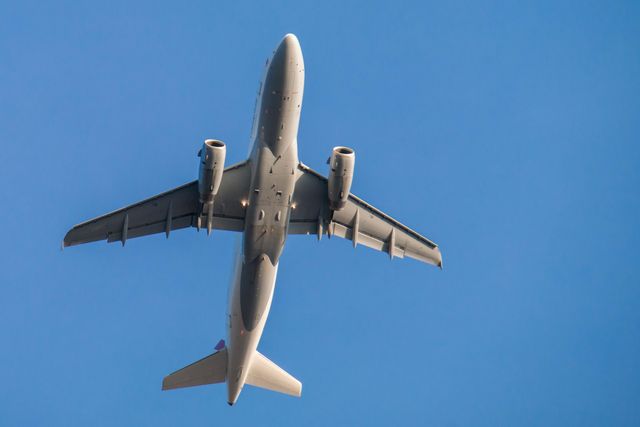
Half the flight time. A fraction of the fuel. That’s what the next generation of aircraft could potentially deliver. These improvements ripple outward through healthcare systems, global supply chains, family connections, and environmental efforts in ways that are often overlooked. Aircraft development is about more than engineering achievements. It has a direct impact on how people live, work, travel, and respond to challenges around the world.
Faster and More Accessible Global Travel
Advancements in aircraft technology have consistently reduced travel times and expanded access to destinations around the globe. Each new generation of commercial aircraft has improved speed, efficiency, and range, making international travel more practical for millions of people.
A flight between New York and London that once required significantly more travel time can now be completed in approximately seven hours. These reductions create meaningful benefits for travelers. Families separated by long distances can spend more time together. Businesses can build relationships across continents more efficiently. Students pursuing international educational opportunities can travel more easily between home and school.
Shorter flight durations can also improve passenger well-being. Reduced time in the air may help lessen fatigue and discomfort associated with long-distance travel. For older adults and individuals managing chronic medical conditions, spending fewer hours in transit can make travel substantially more manageable.
Emergency responders, healthcare professionals, and humanitarian workers also benefit from faster transportation options, allowing critical services and expertise to reach communities more quickly when needed.
Improved Safety Through Technological Advancement
Modern aircraft are safer than ever because manufacturers continuously improve designs, materials, and onboard systems.
Advanced composite materials provide strength while reducing weight and improving structural performance. Navigation technologies that rely on satellite systems help aircraft maintain highly accurate positioning throughout a flight. Enhanced weather monitoring and flight management systems provide crews with better information and improved decision-making tools.
Aircraft are also designed with multiple layers of redundancy. Backup hydraulic systems, duplicate electrical systems, and secondary navigation capabilities help ensure that critical functions remain available even if a component fails. This approach minimizes risk and increases overall reliability.
Human factors engineering has also transformed cockpit design. Modern displays present information in clearer, more intuitive formats, helping pilots respond effectively during both routine operations and unusual situations. Together, these improvements have contributed to aviation’s remarkable safety record and continue to strengthen public confidence in air travel.
Environmental Benefits and Sustainability Progress
Aircraft manufacturers and airlines have devoted significant resources to reducing the environmental impact of aviation. Newer aircraft consume considerably less fuel than the aircraft they replace, thanks to improvements in aerodynamics, advanced materials, and highly efficient engines.
Reduced fuel consumption lowers operating costs while also decreasing emissions on a per-passenger basis. Communities located near airports can benefit from quieter engines and cleaner technologies that reduce noise and environmental impacts.
Sustainable aviation fuels are becoming an increasingly important part of the industry’s environmental strategy. Produced from renewable resources and recycled materials, these fuels can help lower lifecycle emissions compared to conventional jet fuel.
In addition, manufacturers are investing heavily in electric and hybrid-electric propulsion technologies. While these systems are still developing, they have the potential to further reduce aviation’s environmental footprint in the years ahead. Continued innovation is helping the industry balance growing demand for air travel with the need for greater sustainability.
Economic Opportunities and Job Creation
Aircraft development supports a wide range of skilled careers. Engineers, machinists, software developers, technicians, quality-control specialists, logistics professionals, and manufacturing teams all contribute to the production and maintenance of modern aircraft.
The aerospace industry generates economic activity that extends well beyond aircraft manufacturing facilities. Suppliers, transportation companies, research organizations, training institutions, and maintenance providers all play important roles within the larger aviation ecosystem.
Innovation in aerospace also drives advances in areas such as robotics, materials science, manufacturing technologies, and computer systems. These developments often benefit other industries, creating additional opportunities for economic growth and workforce development.
Airlines themselves support millions of jobs through flight operations, maintenance, customer service, airport operations, and related services. Even routine aircraft servicing depends on specialized equipment and expertise. Aviation professionals responsible for fluid transfer and lubrication systems often rely on tools and equipment from manufacturers such as Macnaught USA to support efficient ground operations and maintenance activities.
Medical and Emergency Response Capabilities
Aircraft play a vital role in modern healthcare and emergency response systems. Medical evacuation aircraft can transport injured or critically ill patients to specialized treatment centers much faster than most ground transportation options.
In organ transplantation programs, timing is critical. Aircraft allow donor organs to be transported across long distances within the narrow time windows required for successful transplantation. Countless lives have been saved because aviation makes these rapid transfers possible.
Smaller, efficient aircraft have also improved access to rural and isolated communities. Medical personnel, supplies, vaccines, and equipment can reach locations that may be difficult to access by road.
During natural disasters and humanitarian crises, aircraft enable the rapid delivery of food, water, shelter materials, and medical assistance. Enhanced range, reliability, and operational capabilities allow relief organizations to support affected populations more effectively than ever before.
Conclusion
The benefits of continued aircraft development extend far beyond airports and airlines. Improved aircraft technology contributes to faster travel, greater safety, cleaner operations, stronger economies, and more effective medical and emergency response capabilities.
These advancements touch the lives of millions of people every year, whether they are traveling to visit family, receiving emergency medical care, benefiting from economic opportunities, or living in communities affected by aviation innovation. As engineers continue to develop safer, more efficient, and more sustainable aircraft, the positive impact on society is likely to grow even further.
Continued investment in aircraft development is not simply an investment in transportation. It is an investment in connectivity, safety, opportunity, and quality of life for people around the world.