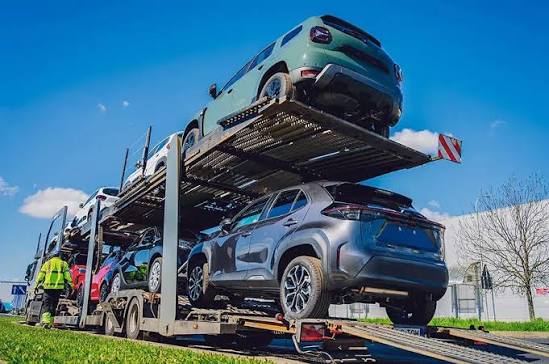
New York is one of the busiest vehicle shipping markets in the United States. Every day, thousands of cars are transported into and out of the state for relocations, college moves, military assignments, snowbird travel, online vehicle purchases, and corporate transfers. Whether you’re moving from Manhattan to Miami, Buffalo to Dallas, or bringing a newly purchased vehicle home, understanding how car shipping in New York works can save you time, money, and unnecessary stress.
Unlike many other states, New York presents unique logistical challenges. Dense urban traffic, seasonal weather, bridge restrictions, and regional demand all influence shipping costs and transit times. Fortunately, with the right planning, shipping a vehicle to or from New York is a straightforward process.
This guide covers everything you need to know before booking auto transport in 2026.
Why New York Is One of the Busiest Auto Transport Markets
New York has one of the largest populations in the country and serves as a major hub for business, education, tourism, and finance.
Vehicle transport demand comes from:
- People relocating for work
- College students
- Military families
- Snowbirds
- Online vehicle buyers
- Car dealerships
- Seasonal residents
Combined with its extensive interstate highway system, New York remains one of the country’s most active shipping destinations.
Popular Shipping Routes
Some of the busiest routes include:
- New York to Florida
- Florida to New York
- New York to California
- Texas to New York
- Illinois to New York
- Georgia to New York
- Arizona to New York
- North Carolina to New York
Because carriers travel these routes regularly, they often have better availability than less common routes.
Average Shipping Costs
Every shipment is priced individually, but general planning estimates for a standard sedan using open transport include:
- Florida to New York: $900–$1,400
- Texas to New York: $1,000–$1,500
- Illinois to New York: $800–$1,200
- Colorado to New York: $1,000–$1,500
- California to New York: $1,300–$2,000
Actual pricing depends on market conditions, vehicle size, pickup location, and the time of year.
What Affects the Cost?
Several factors determine your quote.
Distance
Longer trips cost more overall, although the cost per mile usually decreases as distance increases.
Vehicle Size
Compact sedans generally cost less to transport than:
- Full-size SUVs
- Pickup trucks
- Cargo vans
- Large electric vehicles
Larger vehicles require more trailer space and increase overall transport weight.
Pickup and Delivery Location
Shipping between major cities is often more affordable than transporting a vehicle to rural areas.
Popular locations include:
- New York City
- Buffalo
- Albany
- Rochester
- Syracuse
- Yonkers
Remote areas may require additional travel for the carrier.
Manhattan Is Different
Shipping directly into Manhattan presents additional challenges.
Large transport trucks often cannot access:
- Narrow streets
- Apartment buildings
- Underground garages
- Areas with heavy traffic restrictions
Drivers may arrange delivery at a nearby commercial parking lot or another truck-accessible location.
This is standard practice and helps ensure a safe and efficient delivery.
Open vs. Enclosed Transport
You’ll typically choose between two transport methods.
Open Transport
Open carriers transport the majority of vehicles in the United States.
They are ideal for:
- Daily drivers
- Family vehicles
- SUVs
- Pickup trucks
Open transport offers the most affordable pricing.
Enclosed Transport
Enclosed trailers provide additional protection from:
- Weather
- Road debris
- Dust
- Sun exposure
They’re commonly recommended for:
- Luxury vehicles
- Collector cars
- Classic automobiles
- Exotic sports cars
Expect enclosed shipping to cost approximately 30% to 60% more than open transport.
Typical Transit Times
Delivery time depends primarily on distance.
Typical estimates include:
- Florida to New York: 3–5 days
- Midwest to New York: 3–5 days
- Texas to New York: 4–6 days
- California to New York: 7–10 days
Pickup scheduling generally requires an additional one to five days.
Weather and seasonal demand can occasionally affect delivery.
Best Time to Ship
Vehicle transport operates year-round, but demand changes throughout the year.
Busy seasons include:
- Summer moving season
- Snowbird migration
- Military PCS season
- Holiday relocations
- College move-in periods
Booking several weeks ahead during these periods usually results in better pricing and more scheduling flexibility.
Preparing Your Vehicle
Before pickup:
- Wash the vehicle.
- Photograph every side.
- Record existing scratches or dents.
- Remove personal belongings.
- Leave approximately one-quarter tank of fuel.
- Remove toll transponders.
- Check tire pressure.
- Ensure the battery is fully charged.
- Inform the transport company about mechanical issues.
Preparation makes both pickup and delivery inspections easier.
Door-to-Door Shipping
Most transport companies offer door-to-door service whenever practical.
However, if your location has limited access because of:
- Narrow streets
- Low bridges
- Gated communities
- Heavy traffic
- Parking restrictions
the driver may recommend meeting nearby.
This is especially common throughout New York City.
Common Mistakes to Avoid
Many first-time customers make simple mistakes, including:
- Booking too late.
- Choosing the lowest quote without comparing services.
- Leaving valuables inside the vehicle.
- Expecting exact pickup times instead of pickup windows.
- Forgetting to document the vehicle’s condition before transport.
Planning ahead prevents most of these issues.
Tips for Saving Money
If you’re looking to reduce shipping costs:
- Book two to four weeks in advance.
- Choose open transport.
- Stay flexible with pickup dates.
- Ship between major metropolitan areas whenever possible.
- Avoid peak moving periods if your schedule allows.
Small adjustments often lead to meaningful savings.
Final Thoughts
Shipping a car to or from New York State doesn’t have to be complicated. Whether you’re relocating, buying a vehicle online, or escaping winter for a warmer climate, understanding how pricing, scheduling, and local logistics work will help you make better decisions throughout the process.
By booking early, preparing your vehicle properly, choosing the right transport method, and maintaining realistic expectations about pickup and delivery, you can enjoy a smooth and stress-free shipping experience. With careful planning, your vehicle can travel safely to or from New York while you focus on the rest of your move.
As auto transport providers in high-demand markets like New York navigate fierce competition, having a seamless online presence is just as vital as managing logistics on the road. From building high-converting instant quote calculators to engineering custom transport management software, partnering with a digital growth and software agency like The DIGIT helps auto shipping companies and logistics platforms optimize their user journeys, improve search engine visibility, and streamline customer bookings in an increasingly digital industry.