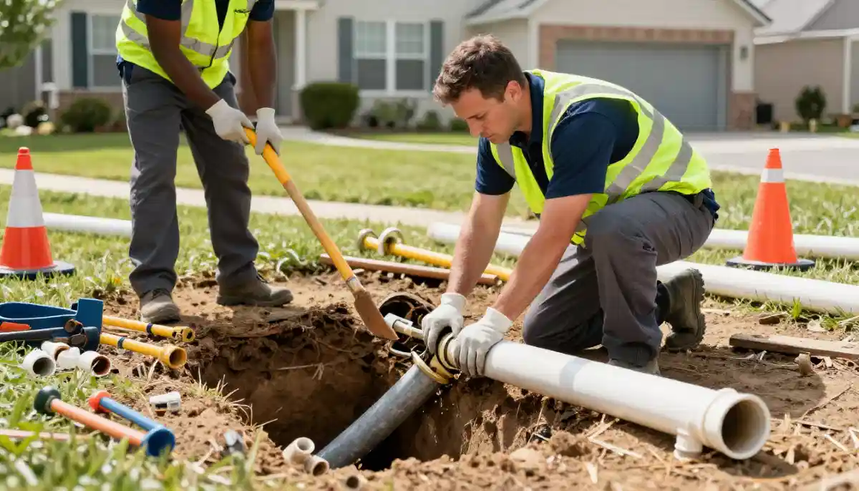
Drainage problems can develop beneath floors, roads, and buildings without immediately revealing their exact cause. Camera-based inspection allows professionals to examine the internal condition of pipes more closely before deciding on suitable maintenance or repair work. This approach can provide useful visual information about areas that may otherwise be difficult to access.
For properties requiring a CCTV drainage assessment, a visual inspection can help identify blockages, cracks, displaced joints, root intrusion, damaged sections, and other internal issues. A clearer view of the drainage system can support more organised maintenance planning and reduce unnecessary guesswork. Reviewing the condition of pipes before work begins may also help professionals determine the most suitable next steps based on the findings, location of the issue, and overall condition of the drainage network.
Modern Inspection Methods Bring Clarity to Hidden Drains
Camera technology allows drainage professionals to inspect hard-to-reach pipe sections while capturing visual information on internal conditions and potential areas needing attention.
1. Internal Camera Views Support Accurate Assessments
Specialised cameras can travel through suitable drainage pipes and transmit images from inside the system. This allows inspectors to examine areas that may otherwise require excavation to investigate. Pipe walls, joints, obstructions, and visible defects can be reviewed during the inspection process. The information gathered can help professionals understand the location and nature of an identified concern before recommending further action, supporting more focused maintenance and repair planning.
2. Identifying Common Internal Drainage Concerns
Camera inspections can help identify several visible issues within drainage systems. These may include accumulated debris, grease deposits, root intrusion, damaged sections, cracks, displaced connections, or foreign objects. The condition of individual pipes can vary depending on age, usage, installation, and surrounding conditions. Visual findings provide useful information for determining which areas require further attention. A structured inspection can therefore support maintenance planning based on observed conditions rather than assumptions.
3. Reducing Unnecessary Exploratory Work
Traditional investigation may sometimes require extensive exploratory work when the source of a drainage issue is unclear. Camera inspection can provide internal visibility before more disruptive measures are considered. By locating visible concerns more accurately, professionals can focus attention on relevant sections of the drainage system. This may help reduce unnecessary excavation or investigation in unaffected areas. The appropriate next step will still depend on the inspection findings and the property’s specific condition.
Clear Visual Records Strengthen CCTV Drainage Planning
Recorded inspection footage can provide useful documentation for reviewing pipe conditions, discussing maintenance requirements, and planning suitable actions after visible concerns are identified. A CCTV drainage inspection can create a clearer record of the areas examined and the conditions observed during the assessment. Video footage and inspection findings may help property managers, maintenance teams, and service providers discuss the location of visible concerns more effectively. This information can also support follow-up planning when repairs, cleaning, or additional investigation are required. Reviewing the drainage condition before selecting a solution helps ensure that decisions are based on the available inspection evidence and the practical requirements of the affected system.
Targeted Assessments Support Better Drainage Maintenance Plans
Accurate information about pipe conditions can help property owners and managers organise maintenance activities according to the areas that require attention.
1. Locating Concerns Within the Drainage Network
Drainage systems can consist of multiple interconnected sections, making it difficult to pinpoint the exact source of a problem based on surface-level symptoms alone. Camera inspections can help examine accessible internal areas and identify visible concerns. Knowing the approximate location of a blockage or damaged area can support more focused planning. Maintenance teams can then consider suitable actions based on the pipe condition, system layout, and nature of the issue identified during inspection.
2. Supporting Maintenance and Cleaning Decisions
Inspection findings can provide useful context before cleaning or maintenance work begins. Different issues may require different approaches depending on whether the concern involves debris, grease accumulation, root intrusion, or visible pipe damage. Reviewing internal conditions can help professionals avoid treating every drainage problem in the same way. A targeted approach allows maintenance activities to focus on the observed condition while considering the wider requirements of the drainage system and the property.
3. Reviewing Systems Before Repair Work
When drainage repairs are being considered, an internal inspection can provide additional information about the affected section. Visible cracks, displaced joints, damaged pipe walls, or other concerns may influence the type of work considered appropriate. Camera footage can support discussions about the location and extent of observed issues before disruptive repair activities begin. Further assessment may still be necessary depending on the complexity of the problem, but visual information provides a useful starting point for organised planning.
Smarter Diagnostics Improve Long-Term Drainage Awareness
Regular assessment can help property owners identify visible changes in accessible drainage systems and organise maintenance in response to emerging concerns.
- Inspect internal pipe conditions when recurring drainage issues require further investigation.
- Use recorded footage to review visible blockages, deposits, or damaged sections.
- Identify affected areas before planning cleaning, maintenance, or repair work.
- Keep relevant inspection records for future maintenance discussions.
- Consider periodic assessments according to the property’s drainage requirements.
- Review findings carefully before selecting the next course of action.
A structured inspection approach can provide clearer insight into hidden drainage conditions and help property owners and managers plan maintenance activities with greater confidence.
Final Thoughts
Camera inspection can provide valuable insight into internal drainage conditions, helping property owners better understand potential blockages, damage, debris buildup, or other issues that may require attention. Inspection findings can support more informed discussions about maintenance, cleaning, repairs, and future drainage management while reducing uncertainty about conditions inside pipes that are not easily visible.
For properties requiring a CCTV drain camera survey in Dubai, JB ALLO Sewage provides drainage inspection and service solutions to assess internal pipe conditions and identify relevant concerns. Inspection findings can be reviewed based on the property’s requirements, the condition of the drainage system, and the nature of the issues identified. Discussing suitable next steps after an inspection can help property owners plan maintenance, cleaning, or repair requirements more effectively and support better long-term drainage system care.