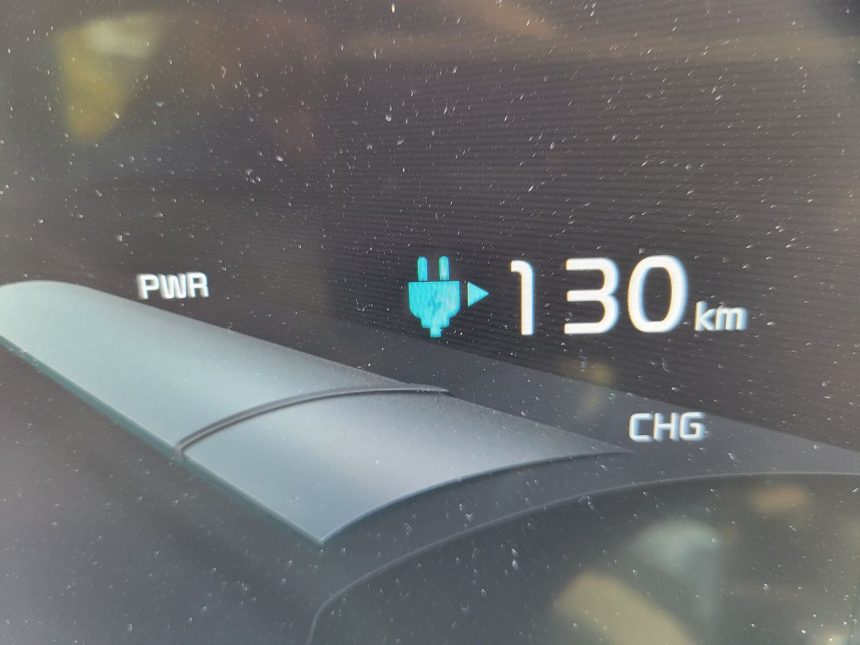
Electricity prices change through the day, rapid chargers charge a premium for speed, and a battery that is nearly empty accepts power far faster than one that is almost full. Electric car software is now putting those three facts together, using live dashboard data to plan not just where a driver should stop, but when, for how long, and how much the stop should cost. On a long journey, the car weighs its current charge, the drivers real consumption in todays weather, charger prices along the route and even predicted queues, then suggests a strategy: perhaps two short, cheap top-ups rather than one long, expensive fill. At home, the same logic works overnight, delaying charging until tariffs fall while still guaranteeing the battery is ready by the time the owner normally leaves. Drivers testing the systems say the biggest surprise is how much money hides in small decisions, because shifting a single motorway charge to a cheaper charger one exit earlier can save several pounds without adding a minute overall. Automakers describe the feature as the charging equivalent of a good sat-nav, constantly recalculating as prices and traffic change.
What the Evidence Shows
For the planning to work, the car needs trustworthy data, and that is where the industry is currently investing most heavily. Charger networks are beginning to share live prices and fault reports in a common format, after years in which each network guarded its own app and its own numbers. Vehicles contribute anonymised consumption data from real journeys, which improves range predictions in cold weather and on hilly routes far beyond what laboratory figures ever offered. Fleet operators have adopted the tools fastest, since a delivery company running hundreds of vans can save a substantial sum each month simply by charging at the right depots at the right hours, and by avoiding the rapid chargers whose prices spike at peak times. There are open questions about fairness and control: drivers want to know why the car recommends a particular stop, and regulators are watching to ensure built-in planners do not quietly favour a manufacturers own charging network over cheaper rivals. Transparency settings that show the price and time trade-offs behind each suggestion are becoming common in response. Reporting and analysis from sources such as Wired track the same developments, and specialists following the cost-aware charging planner say the direction is now consistent across independent lines of evidence.
The Wider Context
The wider context is an industry learning to ship capability and restraint together. Products built around the cost-aware charging planner now launch with safety evaluations, usage data and rollback plans as standard, because enterprise buyers and regulators ask for them in the first meeting. Companies that treated those questions as friction are discovering they have become the purchase criteria.
What Happens Next
What happens next for the cost-aware charging planner depends less on another breakthrough than on the unglamorous work of reliability, pricing and support. The buyers evaluating it now are not enthusiasts; they are operators with budgets and auditors, and their checklists will decide the timeline. On the evidence of the current pilots, the technology has earned the right to be judged by them. You can follow related developments in our coverage of technology.
None of this will be settled by a single announcement, study or product launch. The pattern to watch is accumulation: independent confirmations, honest reporting of failures and steady improvement in the underlying numbers. Readers who follow those signals, rather than the loudest claim of the week, will understand this subject better than most of the commentary surrounding it suggests is possible.