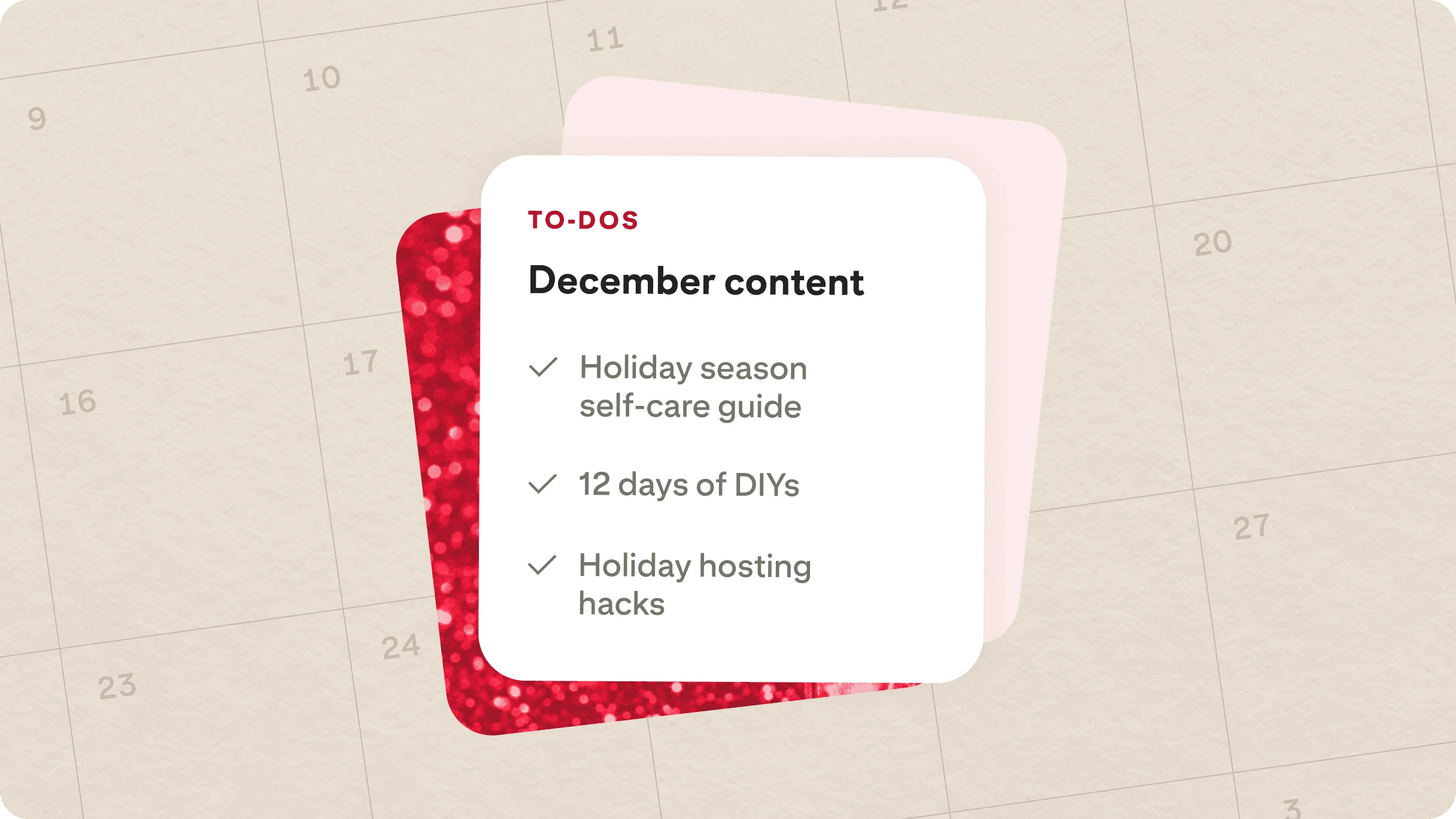
Every year, the same pattern repeats on Pinterest. Long before the leaves turn or the first holiday advertisements appear on television, users are already searching for autumn decor, Halloween costumes, Thanksgiving recipes and Christmas gift ideas. For creators and businesses, that early planning behavior creates both a challenge and an opportunity: publish at the right time and your content rides the wave of demand; publish too late and it may barely be seen.
Marketers who succeed with seasonal Pinterest content increasingly rely on search and trend data to time their publishing. Tools such as keywordtopin let them see when interest in a topic starts climbing so they can plan content calendars well in advance.
Pinterest Users Plan Ahead
Pinterest is fundamentally a planning platform. People use it to prepare for events, projects and purchases that are still weeks or months away. A user organizing a Thanksgiving dinner may start collecting recipes in September. Someone planning a Halloween party may begin saving costume and decoration ideas in late summer. Holiday shoppers often build gift boards well before the traditional shopping season begins.
Because of this behavior, search interest for seasonal topics typically rises gradually over a long period before peaking close to the event. Content that is already published, indexed and gaining engagement during that rise is best placed to benefit.
Why Timing Matters for Pin Performance
New pins do not reach their full potential the moment they are published. Pinterest needs time to understand what a pin is about, test it with users and decide where it should appear in search results and recommendations. That process can take days or weeks.
If a seasonal pin goes live just days before a holiday, it may still be building momentum when search interest drops off. Publishing earlier gives the pin time to gather saves and clicks, which in turn helps it appear more prominently when demand is highest.
Many Pinterest marketers recommend publishing seasonal content 45 to 90 days before the peak. For major shopping periods, some start even earlier.
Using Data to Spot Seasonal Peaks
Experience can provide rough guidance on when seasonal interest begins, but data offers far more precision. Trend information shows exactly when searches for a keyword start rising, when they peak and how quickly they decline.
A dedicated top Pinterest keyword tool can provide Pinterest search volume and related keyword suggestions for seasonal topics, helping marketers identify not only when to publish but also which specific phrases are gaining traction. A search for “fall decor” might reveal related terms such as “fall porch decor,” “fall mantel decor” or “neutral fall decor,” each with its own level of demand.
Building a Seasonal Content Calendar
With trend data in hand, creators and businesses can build a calendar that aligns content with search demand. A practical approach looks like this:
- Identify key seasons and events: List the holidays, seasons and occasions relevant to your niche, from Valentine’s Day and spring cleaning to back-to-school and the winter holidays.
- Research seasonal keywords: Find the most searched phrases for each event, including long-tail variations with clear intent.
- Map search curves: Note when interest in each keyword starts to rise and when it peaks.
- Set publishing windows: Schedule pins to go live before the upward curve begins.
- Refresh and repeat: Create new pin designs for existing seasonal content each year, as Pinterest favors fresh images.
A Sample Timeline for Autumn and Winter
While exact timing varies by topic, a general seasonal plan might look like this:
- July to August: Begin publishing autumn decor, fall fashion and back-to-school content, and start early Halloween ideas.
- August to September: Focus on Halloween costumes, party ideas and Thanksgiving recipes.
- September to October: Publish holiday gift guides, Christmas decor and festive recipes.
- October to November: Push holiday party ideas, winter outfits and New Year planning content.
Following a timeline like this keeps content ahead of demand rather than chasing it.
Evergreen Content Still Matters
Seasonal content can deliver sharp spikes in traffic, but it works best alongside evergreen pins that perform throughout the year. Topics such as organization tips, everyday recipes, fitness routines and home improvement tend to attract consistent searches regardless of season.
A balanced content strategy combines steady evergreen pins with well-timed seasonal campaigns. That approach helps smooth out traffic across the year while still capturing the surges that come with major holidays.
Learning From Top-Performing Pins
Before creating seasonal content, it helps to study what already performs well. Reviewing the top pins for seasonal keywords shows which styles, colors, formats and headlines resonate with users. For example, bright and cozy imagery may dominate autumn decor searches, while step-by-step guides may lead for holiday recipes.
Competitive research like this reduces guesswork and helps creators design pins that match user expectations.
Measuring Seasonal Success
After each season, reviewing analytics provides valuable lessons for the following year. Which pins gained the most impressions and clicks? Which keywords brought the most traffic? Did content published earlier outperform content published closer to the event?
Recording these insights creates a playbook that improves every year. Many successful Pinterest accounts reuse and refresh their best-performing seasonal content annually, adding new designs to keep it relevant.
The Bottom Line
Seasonal success on Pinterest depends on understanding how and when users plan. By researching seasonal keywords, tracking trends and publishing well ahead of peak demand, creators and businesses can position their content to capture the surge of interest that comes with every holiday and season. For those willing to plan months in advance, the payoff can be substantial.