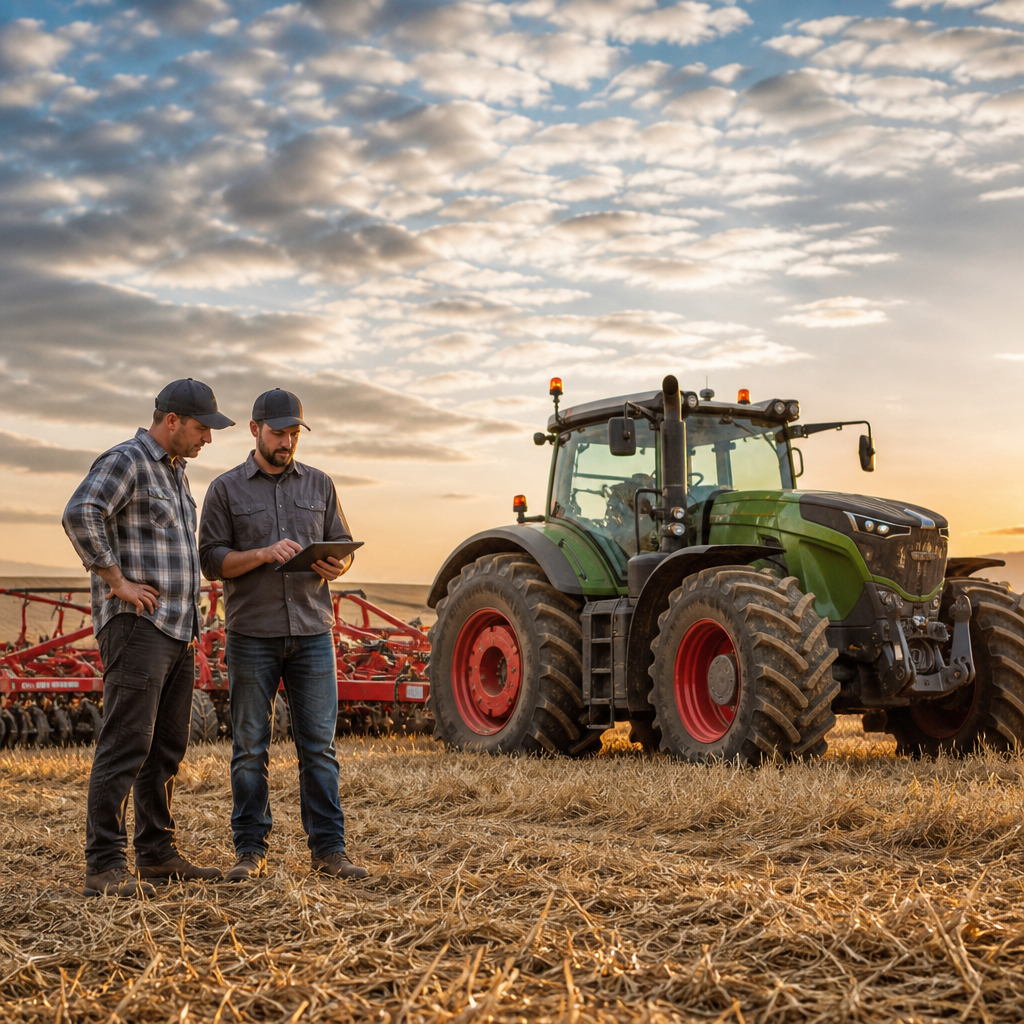
In today’s competitive agricultural landscape, the difference between a thriving operation and one that struggles often comes down to the quality and appropriateness of equipment choices. Modern farming demands precision, efficiency, and adaptability, requiring operators to make informed decisions about machinery that will serve their operations for years to come. Understanding the full spectrum of available options and how they align with specific operational needs has become a critical competency for agricultural professionals seeking sustainable growth.
The evolution of farming technology has created unprecedented opportunities for producers to enhance their operational capabilities. From advanced tillage systems to precision planting equipment, the range of machinery available today allows farmers to optimize every aspect of their production cycle. This technological advancement has fundamentally changed how we approach farm management, making equipment selection one of the most consequential decisions a producer will make.
The Economic Case for Quality Equipment
When evaluating machinery investments, the initial purchase price represents only one component of the total cost equation. Savvy operators consider fuel efficiency, maintenance requirements, resale value, and operational capacity when making acquisition decisions. The right equipment can reduce labor costs, increase acreage capacity, and improve yield quality through more precise application and timing. These factors compound over the equipment’s lifespan, making thoughtful selection essential for long-term profitability.
Producers who invest in reliable agricultural and landscaping equipment often discover that well-maintained machinery delivers consistent performance across multiple seasons, providing stability in an industry characterized by uncertainty. The ability to complete critical operations within optimal windows can mean the difference between a record harvest and a disappointing yield, making equipment reliability a cornerstone of operational success.
Matching Machinery to Operational Demands
Every agricultural operation possesses unique characteristics that influence equipment requirements. Soil types, crop rotations, field sizes, and climate conditions all play critical roles in determining which machinery will deliver optimal performance. A producer working heavy clay soils faces vastly different tillage requirements than one managing sandy loam, while operations in high-rainfall regions need equipment designed to handle wet conditions without causing excessive soil compaction.
Capacity Planning and Operational Efficiency
Sizing equipment appropriately for your operation prevents both underutilization and capacity constraints. Oversized machinery represents capital sitting idle, while undersized equipment creates bottlenecks during critical periods. Producers must carefully analyze their acreage, typical weather windows, and labor availability to identify the optimal balance. This analysis should account for potential expansion plans and crop diversification strategies that might alter future equipment needs.
Many successful operations have discovered that implementing innovative strategies to boost your farm’s productivity requires reassessing their entire equipment lineup to identify gaps and redundancies. This comprehensive approach often reveals opportunities to improve efficiency through strategic upgrades or consolidation.
Technology Integration and Data Management
Modern agricultural equipment increasingly incorporates sophisticated technology systems that collect and analyze operational data. GPS guidance, yield monitoring, variable rate application, and automated section control have transitioned from premium features to standard expectations. These technologies enable precision agriculture practices that optimize input usage, reduce waste, and improve environmental stewardship while enhancing profitability.
The data generated by these systems provides invaluable insights into field variability, equipment performance, and operational efficiency. Producers who effectively leverage this information gain competitive advantages through more informed decision-making. However, successful technology integration requires not just equipment with advanced capabilities, but also the knowledge and systems to interpret and act on the data collected.
The Role of Research in Equipment Development
Agricultural equipment continues to evolve through ongoing research conducted at universities and research institutions worldwide. Academic researchers work closely with equipment manufacturers to develop innovations that address emerging challenges in agricultural production. These collaborations have produced breakthrough technologies in areas such as soil conservation, precision application, and energy efficiency.
Understanding the research behind equipment innovations helps producers make more informed purchasing decisions. Equipment incorporating proven research-based design principles typically delivers more reliable performance and better addresses the complex challenges facing modern agriculture. This research foundation also suggests which technologies are likely to gain wider adoption and support in coming years.
Maintenance and Lifecycle Management
Even the highest-quality equipment requires proper maintenance to deliver its full potential. Establishing systematic maintenance protocols prevents costly breakdowns during critical operational periods and extends equipment life. Many producers underestimate the importance of preventive maintenance, focusing instead on reactive repairs that ultimately cost more and create operational disruptions.
Effective lifecycle management involves tracking equipment hours, monitoring performance trends, and making timely decisions about repairs versus replacement. Some components justify rebuilding or refurbishment, while others reach points where replacement becomes more economical. Sophisticated operators maintain detailed records that inform these decisions and maximize the return on their equipment investments.
H&R Agri-Power: Supporting Agricultural Excellence
H&R Agri-Power has established itself as a trusted resource for agricultural professionals seeking reliable machinery solutions. With a comprehensive understanding of the diverse needs facing modern producers, the company provides access to equipment options that span the full spectrum of agricultural applications. Their commitment to supporting customer success extends beyond the initial transaction to include ongoing service and expertise that helps operators maximize their equipment investments.
The company’s expertise encompasses both the technical specifications that determine equipment performance and the practical considerations that influence operational success. This combination allows them to guide customers toward solutions that align with their specific circumstances, operational goals, and budget parameters. Their focus on building long-term relationships ensures that customers receive support throughout the equipment ownership experience.
Strategic Planning for Future Needs
Successful agricultural operations maintain forward-looking equipment strategies that anticipate future needs while addressing current requirements. This planning process considers factors such as technological trends, regulatory changes, labor availability, and market conditions. Producers who think strategically about their equipment needs position themselves to capitalize on opportunities and navigate challenges more effectively than those who react to immediate pressures without longer-term perspective.
The agricultural equipment landscape will continue evolving as manufacturers respond to emerging challenges such as sustainability requirements, labor shortages, and climate variability. Producers who stay informed about these trends and assess how they impact their operations can make proactive decisions that maintain competitive advantages. This forward-thinking approach transforms equipment management from a necessary expense into a strategic tool for business growth and operational excellence.