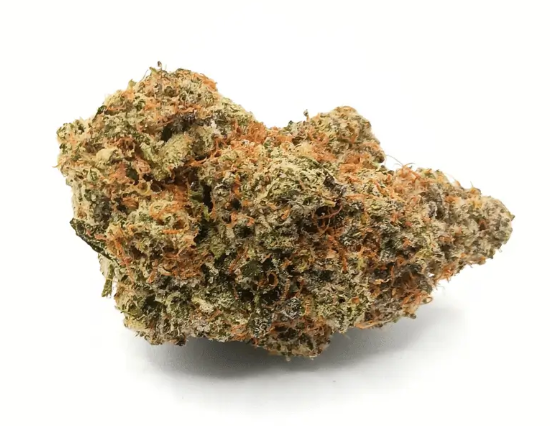
Cannabis flower remains one of the most recognisable forms of cannabis, valued for its natural appearance, distinctive aroma and wide range of available varieties. Although modern cannabis markets now include concentrates, edibles, vapes and other formats, flower continues to provide consumers with a direct way to explore differences in genetics, cultivation and product characteristics.
Understanding cannabis flower involves more than recognising a particular strain name. Factors such as bud structure, colour, aroma, trichome development, moisture level, cultivation practices and post-harvest handling can all contribute to how a finished product looks and feels. Product descriptions and laboratory information can also provide useful details when comparing different options.
For shoppers exploring cannabis products, understanding how flower moves from cultivation to a finished product can make product information easier to interpret and support more informed comparisons.
What Cannabis Flower Actually Represents
Cannabis flower refers to the dried flowering portion of the cannabis plant. The buds contain a combination of naturally occurring compounds, including cannabinoids and aromatic compounds known as terpenes. Trichomes, the small resin-producing structures visible on many cannabis flowers, are particularly important because they contain many of the plant’s cannabinoids and terpenes.
The physical appearance of flower can vary considerably. Some buds are compact and dense, while others have a looser structure. Colour can range from different shades of green to products displaying purple or other tones, depending on genetics and growing conditions. Orange or reddish pistils may also be visible among the plant material.
These characteristics provide useful visual information, but appearance alone does not establish overall product quality. Two flowers can look similar while having noticeably different aromas, cannabinoid profiles or genetic backgrounds.
Cannabis flower also differs from processed products such as concentrates. Flower remains in its plant-based form after harvesting and curing, while concentrates undergo additional processing to isolate or increase the concentration of particular compounds. This distinction explains why cannabis catalogues can contain such a broad selection of product formats.
From Cultivation to Harvest
The characteristics of cannabis flower begin developing during cultivation. Genetics play an important role because different cultivars can naturally produce different growth patterns, aromas, cannabinoid profiles and physical characteristics. Breeders can select and combine plant genetics over successive generations to produce particular traits. For readers exploring these characteristics in more detail, West Coast Bud Cannabis provides a useful point of reference when considering different cannabis flower varieties.
Growing conditions also influence how a plant develops. Light, temperature, water, nutrients and environmental management all form part of the cultivation process. Indoor and outdoor growing environments can provide very different conditions, while controlled cultivation allows growers to manage several environmental variables more closely.
As the plant approaches maturity, growers monitor its development before determining when it is ready for harvest. Harvest timing is significant because the plant’s flowers continue to change as they mature. Trichomes, for example, can be observed during this stage as part of the broader assessment of plant development.
Harvesting itself requires careful handling. Cannabis flowers contain delicate structures that can be damaged through unnecessary handling, particularly the resin-rich trichomes. Once harvested, the plant material must then undergo appropriate post-harvest processing before it becomes the dried flower found in a finished cannabis product.
This progression demonstrates why the final appearance of a flower reflects more than its genetic name. Cultivation, maturity and harvesting practices all contribute to the characteristics seen after processing.
Drying and Curing Explained
Freshly harvested cannabis contains a significant amount of moisture and is not normally ready for immediate packaging. Drying reduces excess moisture in a controlled environment, allowing the plant material to reach a more appropriate consistency for storage and further handling.
The drying process needs to be managed carefully. If flower dries too quickly, it can become excessively brittle, while insufficient drying can leave too much moisture within the material. Both extremes can affect how the flower feels and how it should be stored.
Curing is a separate stage that takes place after initial drying. During curing, flower is stored under controlled conditions while remaining moisture is gradually balanced throughout the material. This stage is distinct from simply leaving cannabis exposed until it becomes dry.
For Canadian consumers comparing online cannabis products, post-harvest handling is an important part of understanding product descriptions. A flower’s final texture, aroma and appearance are influenced not only by its genetics and cultivation but also by what happens after harvest.
For example, two flowers derived from different genetics may naturally have different aromas, while two flowers from similar genetics may also differ because of cultivation and post-harvest practices. Drying and curing therefore form an important bridge between the cultivated plant and the finished cannabis flower.
How to Read the Characteristics of Flower
When evaluating cannabis flower, shoppers can consider several characteristics rather than relying on a single visual feature. The following factors can provide a broader understanding of what a product offers:
- Colour and appearance: Cannabis flower commonly appears in different shades of green, while genetics and cultivation conditions can contribute to additional colour variations. Visual appearance can help distinguish products, but it should not be treated as a complete quality assessment.
- Bud structure: Flower can range from compact and dense buds to lighter or more open structures. Structure can vary naturally between cultivars and growing methods, making it useful information when comparing products.
- Trichomes: These small structures can often be seen on the surface of cannabis flower. They are associated with the plant’s resin and contain cannabinoids and aromatic compounds, making their presence an important characteristic when examining mature flower.
- Aroma: Cannabis can produce a wide variety of aromas, including earthy, citrus, floral, fruity, pine-like and spicy notes. These aromas are influenced by terpene composition and can help shoppers identify profiles that appeal to their personal preferences.
- Product information: Descriptions, cannabinoid information, strain details and other available specifications provide information that visual inspection cannot offer. Reading the complete product description can therefore provide a more balanced basis for comparison.
These characteristics should be considered together. A visually attractive flower may not necessarily match a shopper’s preferred aroma or cannabinoid profile, while a less visually striking product may have characteristics that better suit an individual’s preferences.
For Canadian consumers researching where to buy cannabis online, detailed product information can therefore be as important as photographs when comparing different flowers.
Comparing Different Flower Categories
Cannabis flower is commonly organised into categories such as Indica, Sativa and Hybrid. These terms are widely used in the cannabis market to help shoppers navigate different genetic backgrounds and product selections. However, they should be treated as general classification tools rather than complete descriptions of every characteristic a flower possesses.
Indica-labelled products, for example, are generally associated with particular genetic backgrounds and physical plant characteristics. Sativa and Hybrid categories similarly represent different genetic groupings and breeding histories. Modern cannabis breeding has created considerable overlap between these traditional classifications, particularly because many commercially available cultivars contain mixed genetics.
Product grades can provide another way of organising flower. Retailers may use different grading systems to distinguish products according to characteristics such as appearance, density, trimming, cultivation quality or overall presentation. However, a higher grade does not automatically mean that a particular flower will be preferred by every shopper.
Craft flower, standard flower and bulk options can also serve different purchasing preferences. Some shoppers may prioritise detailed cultivation and strain information, while others may place greater importance on quantity or price.
The most useful comparison therefore considers several factors together. Genetics, aroma, cannabinoid information, appearance, quantity and pricing can all contribute to a more complete understanding of a product.
Storage and Handling After Purchase
Proper storage becomes important once cannabis flower has been purchased. Flower can be affected by environmental conditions, particularly excessive heat, light, air and moisture. A suitable storage environment helps preserve the product’s physical characteristics for longer.
An airtight container can help reduce unnecessary exposure to air. Storage should also avoid excessive humidity because too much moisture can create undesirable conditions, while extremely dry environments can cause flower to lose moisture rapidly.
Light and heat are additional considerations. Direct sunlight and consistently high temperatures can negatively affect stored cannabis over time. A cool, dark and stable location is generally more appropriate than an area exposed to strong light or frequent temperature changes.
Handling also deserves attention. Cannabis flower contains delicate resin-rich structures, so unnecessary touching and rough handling can disturb the surface of the buds. Opening a storage container only when necessary can also help reduce repeated exposure to the surrounding environment.
Secure storage is particularly important in households where children or pets may be present. Cannabis products should be kept in a secure location and handled responsibly.
Conclusion
Cannabis flower represents the result of several connected stages, beginning with genetics and cultivation and continuing through harvesting, drying, curing, packaging and storage. Each stage can contribute to the characteristics that consumers eventually observe in a finished product.
Understanding these stages gives shoppers a stronger foundation for comparing cannabis flower. Appearance, structure, trichomes and aroma can provide useful sensory information, while strain details, cannabinoid information and product descriptions add important context.
Rather than relying on a single label or visual characteristic, informed shoppers can consider the complete product profile. This approach makes it easier to understand the differences between cannabis flowers and select products according to individual preferences while maintaining a practical and informed approach to cannabis shopping.