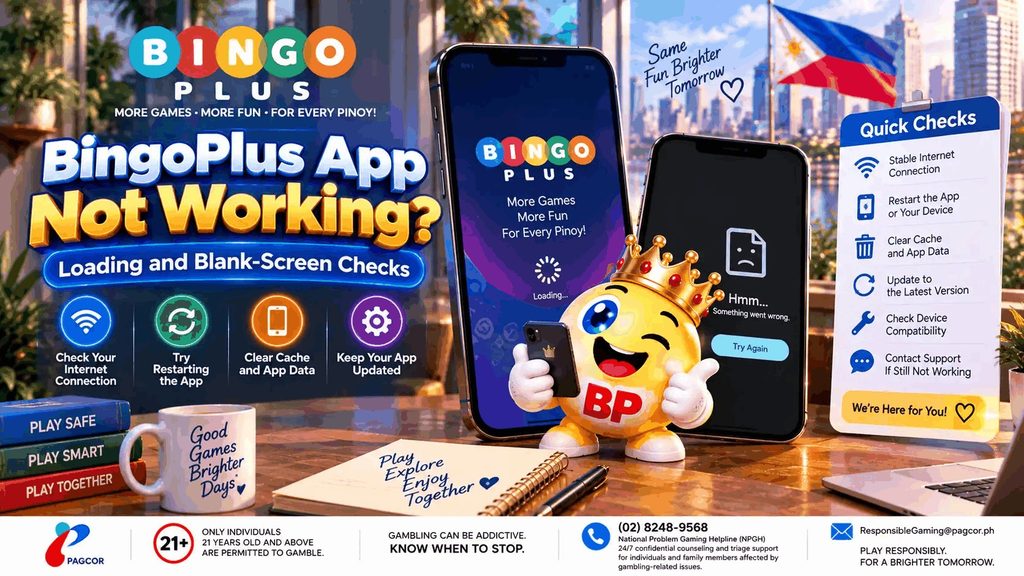
Downloading an app is usually a quick task, but the experience can vary depending on the device, connection, and source being used.
For people looking for a Bingo Plus app download, the most useful approach is to keep the process simple: start from a trusted access point, make sure the device is compatible, and check that enough storage is available before installation begins.
A few small checks can prevent most of the problems users run into later.
Start With a Trusted Access Point
The first step is always the source.
Users should avoid downloading mobile files from unfamiliar pages, copied links, or random file-sharing sites.
Even when a page looks convincing, it may contain an outdated installer or direct users somewhere unexpected.
For those who want a familiar starting point, the Bingo Plus app download page provides a direct route into the wider BingoPlus platform.
Using one consistent access point also makes future visits easier.
Check the Device Before Downloading
A mobile download can fail for very ordinary reasons.
The most common ones are:
- Not enough storage
- An outdated operating system
- A weak internet connection
- The wrong installation file for the device
- Restricted browser settings
Checking these first saves time.
A phone does not need to be new, but it should have enough available storage and a reasonably current system version.
Android and iPhone Use Different Installation Paths
One of the easiest mistakes is trying to use the wrong type of installer.
Android and iPhone handle apps differently.
Android devices may use downloadable installation files or an official app marketplace.
iPhone users normally follow the installation route provided for iOS.
The two should not be mixed.
If the platform shows separate options, users should choose the one that matches the operating system on their phone.
Storage Space Is More Important Than It Looks
The file size shown before download is not always the total amount of space the app will use.
After installation, the app may also store:
- Cached images
- Login data
- Updates
- Temporary files
- Downloaded resources
A phone that is nearly full may still start the download but fail later during installation.
Keeping some extra free storage available is a good habit.
If space is limited, deleting old videos, unused apps, or temporary files can help.
Use a Stable Connection
A weak or changing connection can interrupt a download.
This is especially common when a phone switches between Wi-Fi and mobile data.
If possible, it is better to use one stable connection from beginning to end.
Users can also pause other large downloads while installing.
That reduces competition for bandwidth and lowers the chance of the file becoming incomplete.
Do Not Tap the Download Button Repeatedly
When a page seems slow, users often tap the same button several times.
This can create duplicate downloads.
It may also make it difficult to know which file is the newest one.
A better approach is to tap once and wait for the browser or device to respond.
If nothing happens after a reasonable amount of time, check the connection or refresh the page before trying again.
Android Permission Prompts Should Be Read Carefully
Some Android devices may ask for permission before installing an app from a browser or file manager.
This is normal in certain situations, but users should only approve it when they are certain the file came from the intended source.
The permission should not be treated as something to accept automatically.
If a prompt appears unexpectedly, stop and verify the file first.
After installation, Android users can review app permissions again through the device settings.
iPhone Users Should Follow the Exact On-Screen Instructions
iOS installation steps can be more controlled.
That is why it is better to follow the route shown on the official page rather than trying random workarounds.
If the platform provides an iPhone-specific option, use that route.
Trying to force an Android-style installation on an iPhone will not work.
The device type should always decide the installation method.
What to Do After the Download Finishes
Once the file or app is installed, open it normally and check the basics.
A quick first test can include:
- Does the app launch?
- Does the main screen display correctly?
- Is account access visible?
- Do menus respond?
- Does the connection remain stable?
- Are there any unexpected warnings?
If everything loads normally, the installation is likely complete.
A Restart Can Fix Minor First-Launch Problems
Sometimes an app installs correctly but does not open smoothly the first time.
A simple device restart can clear temporary issues.
This is especially useful after a larger system update or when the phone has been running for a long time without restarting.
If the problem continues after a restart, check storage, connection, and version compatibility before reinstalling.
Browser Access Is Still Useful
Not every user wants to install an app immediately.
Some may prefer browser access.
This can be useful when:
- Storage is limited
- The device is shared
- The user is only visiting briefly
- Installation is restricted
A browser-based route can also be useful as a backup when the app is being updated.
The best choice depends on the device and the user’s own habits.
Keep the Installer Only If You Need It
Android users sometimes leave installation files in the Downloads folder for months.
That can create confusion.
Older files may have similar names to newer ones.
If a user later opens the wrong installer, they may accidentally reinstall an outdated version.
Once the correct version is installed and working, there is usually little reason to keep multiple old installer files.
Updates Should Come From the Same Trusted Route
Apps change over time.
Updates may improve performance, fix compatibility issues, or adjust features.
When an update is needed, users should return to the same trusted access point they used before.
Old files shared through messaging apps or saved on another device may no longer be current.
Using a consistent source helps keep the installation path clear.
Avoid Downloading While the Battery Is Nearly Empty
This is a small detail, but it matters.
If a phone powers off during installation, the process may not complete correctly.
Users should make sure the battery has enough charge or connect the device to power before starting.
This is especially useful when installing larger updates.
App Permissions Should Match the Feature
After installation, the app may ask for certain permissions.
Users should read each one.
Some permissions make sense depending on the feature being used.
Others may not be necessary.
Modern phones allow users to adjust these permissions later.
There is no need to approve everything immediately.
Login Information Should Never Be Shared
A successful Bingo Plus app download leads to account access for many users.
That means password habits still matter.
Users should not send account passwords or verification codes to other people.
They should also be careful when someone claims they need a code to “assist” with installation or login.
A verification code is meant for the account holder.
It should stay private.
Saved Passwords Can Make Repeat Access Easier
On a personal device, password managers can make repeated access more convenient.
They also reduce typing mistakes.
However, users should check that the saved password is still current after making a password change.
An old saved password can make it look as though the app has stopped working when the issue is simply outdated autofill data.
Notifications Can Be Adjusted Later
After installation, users may be asked to allow notifications.
This is optional.
Some people like receiving updates.
Others prefer fewer alerts.
Notification settings can usually be changed later through the phone settings.
There is no need to make a permanent decision during the first launch.
Slow Performance Is Not Always an App Problem
If the app feels slow after installation, the cause may be the device or connection.
Users can check:
- Available storage
- Background apps
- Network quality
- Battery-saving mode
- Pending system updates
Older devices may also take longer to load richer content.
Closing unnecessary background apps can sometimes improve performance.
Reinstall Only After Simpler Checks
Reinstalling is useful in some situations, but it should not be the first step.
A better order is:
- Close and reopen the app.
- Check the connection.
- Restart the phone.
- Check for updates.
- Confirm enough storage is available.
- Reinstall only if the problem continues.
This avoids repeating the entire installation process unnecessarily.
Mobile Access Should Feel Straightforward
The purpose of downloading an app is convenience.
The process should not feel complicated.
For most users, the ideal path is simple:
Find the official access point.
Choose the correct device option.
Download.
Install.
Open.
Continue.
When those steps are clear, the app becomes easier to trust and easier to return to later.
Final Thoughts
A Bingo Plus app download does not need to be complicated.
Most problems come from simple issues such as low storage, unstable connections, outdated files, or choosing the wrong version for the device.
Starting from a trusted source and checking the phone before installation can prevent most of these problems.
Once installed, the app should feel familiar, responsive, and easy to use.
The download itself is only the first step.
What matters more is whether the mobile experience remains stable and convenient after installation.
Users should always protect account information, use official access points, and approach online entertainment responsibly and within personal limits.