At 38 weeks pregnancy, many moms-to-be feel like they are walking around with a softball in their stomach and they wonder if that’s what means labor is going to kick in any day now. A 38 weeks pregnant belly hard feeling can be caused by the position of the baby, uterine activity or normal body changes as delivery nears. Gentle support, such as pregnancy pillow for back pain, can help make resting easier during these times.
In this article, you will learn simple answers for why the belly tightens, how do you know if the contractions are real, and when to call for medical assistance. It also outlines some simple ways to stay comfortable, including managing stress, drinking enough fluids and adopting positions that relieve pressure as the body gets ready for labor.
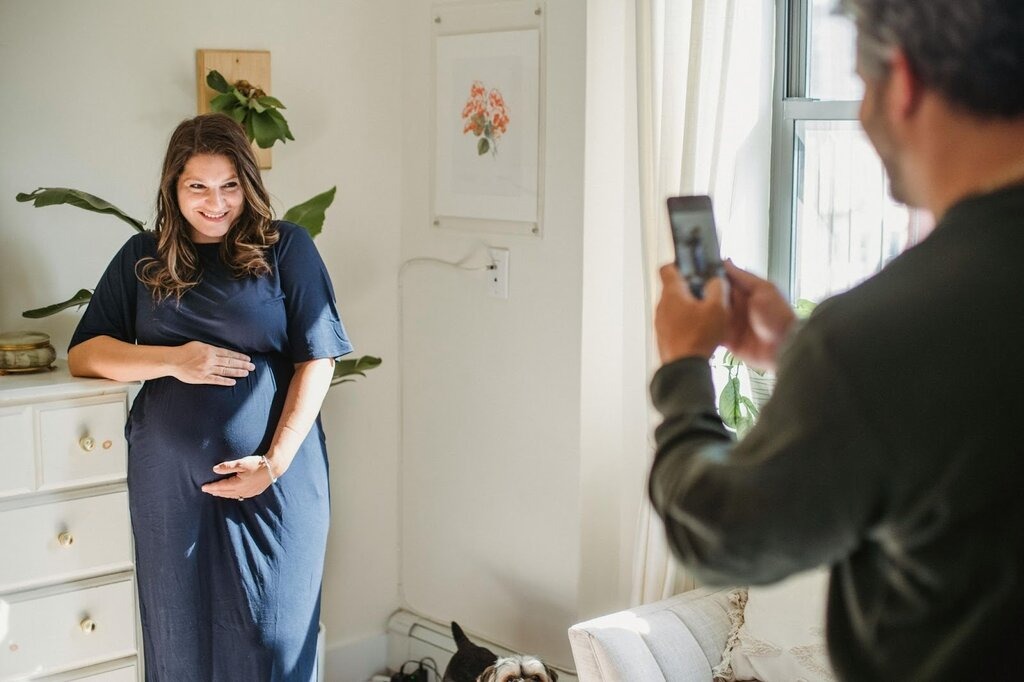
The Hard Reality of Late Pregnancy: What Causes Tightness?
As the body nears the end of pregnancy, pregnant women often feel their belly tightening more and more, more so around 38 weeks. A 38 weeks pregnant belly hard could be due to the baby pressing against the uterine walls, the muscles stretching, or Braxton Hicks contractions getting your body ready for labor.
Finding comfortable positions and using a pregnancy pillow for back pain can help when the belly feels tight or heavy at the end of pregnancy. Mild support around the back and hips also reduces tension and can make it easier for the body to relax and rest prior to the time of labor.
Braxton Hicks vs. True Contractions: Telling the Difference
The Braxton Hicks contractions may play a role in a 38 weeks pregnant belly hard issue, but you could be going into labor, too. Both make the belly tight and hard, but they are different in how your body is preparing for the birth.
Here is a simple way to give you a rough idea of their differences:
- Pattern: Braxton Hicks contractions occur at irregular intervals and are unpredictable, unlike true labour, where the contractions are predictable and occurring at regular intervals and gradually approaching.
- Intensity: Braxton Hicks contractions are mild, and feel like pressure, but true labor contractions can get worse and are more painful.
- Location: Braxton Hicks are experienced mostly in the front of the belly or pelvis, while active labor can be expected to start in the lower back as it moves to the front.
- Duration: Braxton Hicks lasts less than half a minute, while labor contractions last 30 to 70 seconds.
- Response to movement: Braxton Hicks may go away if you lie down, change your position or use a pregnancy pillow for back pain, but true labor contractions are not going to go away no matter what you do.
Fetal Positioning: When the Baby’s Butt or Head Feels Solid
If your stomach feels firm or tight at times, it can tell you something about your baby’s position for birth. The feeling of a 38 weeks pregnant belly hard often indicates how the baby is positioned in the uterus. A hard shape at the top of the belly with kicks lower down the pelvis could mean breech position, while a solid shape low in the pelvis with kicks higher up usually indicates head-down.
You can support your body and relieve pressure on your belly and hips with a pregnancy pillow for back pain. Some additional comfort while you rest enables your body to remain relaxed as you observe the baby’s position.
Managing Discomfort: Tips for Easing Abdominal Tightness
Now, it may be difficult for you to sit, walk, or rest without pain. Often, the 38 weeks pregnant belly hard is a result of Braxton Hicks contractions, dehydration or a full bladder, but gentle care can be done in order to avoid pain.
These are the means to relieve abdominal tightening that also can be comfortable to you:
- Change your position: While you are sitting, standing or lying on one side, shift your position slowly and make sure you’re not bouncing or jolting the uterus.
- Hydrate: Drink water as you normally would. Sometimes, a tight feeling is actually just a need for hydration.
- Use heat: A bath or shower that is warm, or a heating pad applied to your back or abdomen may help to loosen up your muscles.
- Empty your bladder: Go pee if your bladder is full. That will relieve the pressure.
- Rest: Sit down, put your feet up, and use a pregnancy pillow for back pain if you have one and if your back is feeling achy.
- Determine the triggers: See if you are dehydrated, have a full bladder or anything else that might be causing your stomach to tighten.
- Modify movements: When you cough or sneeze, bending forward slightly can decrease the stress on your stomach.
- Support your belly: The use of maternity girdles and elastic support bands is great to both support and comfort the belly that is growing.
- Mild exercise: Some prenatal yoga or light stretching can be a great option to both support your muscles and give you relief.
- Massage: A pregnancy massage is a way to relax the tired abdominal and back muscles.
The Role of Hydration and Rest in Uterine Activity
A pregnancy pillow for back pain allows the expecting mother to experience better rest and to maintain good posture during the last stage of pregnancy. When you are 38 weeks pregnant, your belly can feel hard at times and drinking plenty of water and taking breaks to lie down can help relieve that tightening feeling.
Staying hydrated and resting in reclined positions allows the body to relax, and minimizes unnecessary exertion in late pregnancy. Being well-hydrated and supported makes the 38 weeks pregnant belly hard issue a little easier to handle.
Warning Signs: When a Hard Belly Signals a Problem
When you are near the end of your pregnancy, the tightening of your belly from time to time is normal. However, a 38 weeks pregnant belly hard that is persistent, or painful or if you have any other symptoms could be an indication of a problem. Early recognition of warning signs can get you and your baby the care you need.
Watch out for these following emergencies:
- Tightening that doesn’t stop: Abdominal hardening that continues even when you walk, rest on a pregnancy pillow for back pain, or change positions.
- Pain: A hard belly accompanied by noticeable pain or discomfort.
- Repetitive contractions: Each contraction lasts approximately ten minutes and hold for many in a series or even more.
- Breathlessness: Any breathing difficulty together with a hard belly requires attention.
- Other worrisome symptoms: Vaginal bleeding, leaking fluid, or other strange signs.
The Final Countdown: How Firmness Relates to Labor Readiness
There are many expecting mothers that report their belly begins to tighten as their body gets closer to labor, which can be a sign that the uterus is getting ready for birth. A 38 weeks pregnant belly hard can mean that contractions may start soon.
The pregnancy pillow for back pain delivers gentle support for pregnant women, keeping them comfortable while their bellies tighten. This additional support cushions the body, making it easier to relax and relieves back and hip pain during these last pregnancy weeks.
When to Contact Your Healthcare Provider
As 38 weeks of pregnancy approaches, it is normal to have a hard belly, but there are certain signs that mean you should get help. A 38 weeks pregnant belly hard along with pain, bleeding, or any decrease in baby movements could be a sign that you need to seek professional help.
Your doctor should be consulted when you notice any of the following symptoms:
- Frequent, intense contractions: Labor contractions are so strong that talking is not possible. These can last for approximately one minute, and come every three to five minutes for at least two hours.
- Vaginal bleeding: Any bleeding or spotting should be reported immediately.
- Reduced fetal movements: You feel fewer of your baby’s movements than usual.
- Water breaking: Is your fluid green or brown? that could be meconium.
- Severe headache and swelling: A sudden, severe headache along with swelling of the face or hands may be a sign of preeclampsia.
- Other serious symptoms: Bad back pain (which can be reduced by a pregnancy pillow for back pain), fever, vomiting, or intense tummy pain.
For Clear Connection: Check out the fantastic features of the Momcozy video baby monitor for a clear, reliable connection to your nursery.