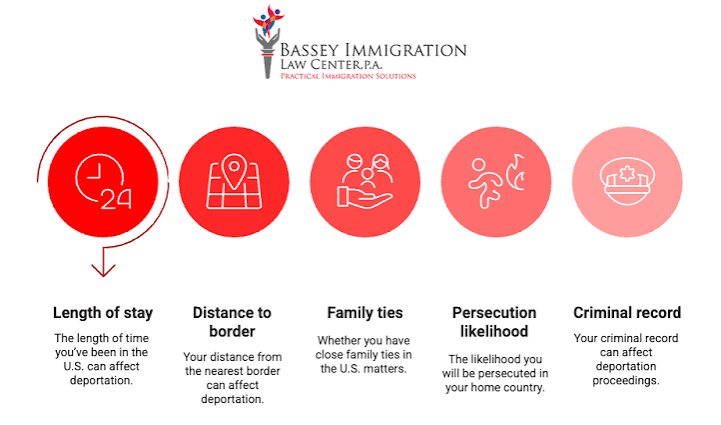
Immigration and deportation matters can have serious consequences for individuals and their families. Removal proceedings may affect a person’s ability to remain in the United States, maintain employment, reunite with family members, or pursue long-term immigration goals. Understanding the legal process and available options is an important first step.
New Jersey Deportation Lawyer
A New Jersey Deportation Lawyer can assist individuals who are facing removal proceedings or other immigration-related concerns in New Jersey. Deportation cases can involve complicated federal immigration laws, and the available legal options depend on an individual’s immigration history, current status, criminal record, and circumstances.
An immigration attorney may assist with:
- Reviewing immigration history
- Evaluating removal allegations
- Preparing immigration documents
- Representing clients in immigration court
- Identifying potential defenses
- Evaluating eligibility for immigration relief
- Preparing supporting evidence
- Responding to immigration notices
- Explaining potential consequences of criminal convictions
Because immigration law is federal, cases may involve agencies and courts outside the person’s immediate local area.
Understanding Deportation Proceedings
Deportation, commonly referred to as removal, is a legal process through which the federal government seeks to remove a noncitizen from the United States. A person in removal proceedings may have an opportunity to present defenses or apply for forms of relief when legally eligible.
A New Jersey Deportation Lawyer can review the circumstances of a case and explain what the proceedings may involve. Depending on the situation, potential defenses or relief may include asylum, cancellation of removal, adjustment of status, or other forms of immigration relief.
Eligibility requirements vary significantly, so an attorney must evaluate the individual’s specific circumstances before determining what options may be available.
Pennsylvania Deportation Lawyer
A Pennsylvania Deportation Lawyer can assist individuals facing immigration removal proceedings while living in Pennsylvania or dealing with immigration matters connected to the state.
An attorney may help clients understand:
- Notices from immigration authorities
- Immigration court proceedings
- Possible defenses against removal
- Available forms of immigration relief
- Documentation requirements
- Potential effects of criminal convictions
- Immigration-related deadlines
- Appeals and other legal procedures
Every immigration case is different, and the appropriate strategy depends on the individual’s immigration history and legal circumstances.
Criminal Charges and Deportation
Criminal matters can sometimes create additional immigration concerns. Certain criminal convictions may have immigration consequences depending on the offense, sentence, immigration status, and applicable federal law.
For this reason, noncitizens facing criminal charges should consider obtaining legal advice concerning both the criminal and immigration aspects of their situation.
A Pennsylvania Deportation Lawyer or New Jersey Deportation Lawyer may coordinate with criminal defense counsel when a criminal case could potentially affect immigration status.
How a Deportation Lawyer Can Help
An immigration attorney may provide assistance throughout different stages of a removal case.
This can include:
- Reviewing immigration documents
- Examining the government’s allegations
- Preparing applications and supporting evidence
- Representing clients at immigration hearings
- Presenting legal arguments
- Preparing witnesses
- Negotiating when appropriate
- Handling appeals when legally available
Having organized documentation can help an attorney understand the history and circumstances of an immigration matter.
Documents That May Be Important
Individuals facing removal proceedings should preserve relevant documents, including:
- Passport and identification documents
- Visa records
- Green card or immigration documents
- Immigration applications
- Notices from immigration authorities
- Immigration court paperwork
- Criminal court records
- Marriage certificates
- Birth certificates
- Employment records
- Evidence supporting an immigration application
An attorney can determine which documents are relevant to a particular case.
Choosing the Right Immigration Attorney
When searching for a New Jersey Deportation Lawyer, consider an attorney’s experience with removal proceedings and the specific immigration issue involved.
Likewise, individuals searching for a Pennsylvania Deportation Lawyer should consider whether the attorney regularly handles deportation and removal matters and understands the applicable federal immigration procedures.
Questions to consider include:
- How much experience does the attorney have with removal cases?
- Have they handled cases similar to yours?
- What immigration relief might potentially apply?
- What documents are needed?
- What deadlines apply?
- Who will represent you at hearings?
- What are the attorney’s fees?
What to Do If You Receive a Deportation Notice
If you receive an immigration court notice or another document concerning removal proceedings, do not ignore it.
Consider taking these steps:
- Keep the original notice and make copies.
- Review the hearing date and location carefully.
- Gather your immigration records.
- Preserve relevant criminal and family documents.
- Avoid missing scheduled hearings.
- Seek qualified immigration legal advice as soon as possible.
Missing an immigration hearing can have serious consequences, so it is important to pay close attention to official notices and deadlines.
Frequently Asked Questions
What does a deportation lawyer do?
A deportation lawyer represents individuals facing removal proceedings and may evaluate defenses, prepare applications for relief, present evidence, and represent clients before immigration authorities or courts.
Can a criminal conviction affect deportation?
Potentially. Certain convictions can create immigration consequences, but the effect depends on the specific offense, sentence, immigration status, and applicable federal law.
Can someone fight deportation?
Some individuals may have legal defenses or qualify for forms of immigration relief. Eligibility depends on the person’s specific circumstances.
Is immigration law the same in New Jersey and Pennsylvania?
Immigration law is primarily federal, so the underlying legal framework generally applies nationwide. However, the location of proceedings, local procedures, and individual circumstances can affect how a case proceeds.
Final Thoughts
Deportation and removal proceedings can be complicated and may have significant consequences for individuals and families. Obtaining qualified legal guidance and responding to immigration notices promptly can help people understand their rights and potential options.
A New Jersey Deportation Lawyer can assist individuals facing removal concerns in New Jersey, while a Pennsylvania Deportation Lawyer can provide guidance to individuals dealing with deportation matters in Pennsylvania. Because immigration cases are highly fact-specific, legal options should be evaluated based on each person’s individual circumstances.