Maybe you’re watching a parent struggle alone. Or maybe it’s you — noticing the small tasks that feel harder now. Either way, the question of where to turn next rarely has an obvious answer. Assisted living sits somewhere between full independence and nursing-level care, letting residents hold onto autonomy while still getting the help they actually need. Aging doesn’t require handing over every decision. These communities are built around that idea — and understanding how they pull it off means looking closely at how they approach care from the ground up.
Creating Individualized Care Plans
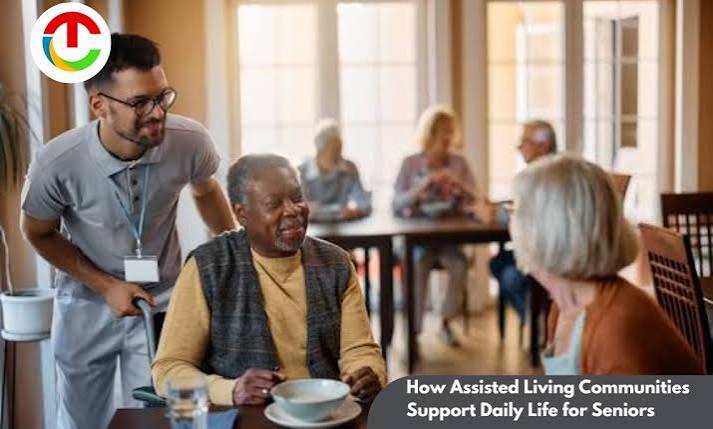
Your care plan is the foundation. Everything else flows from it. Staff work alongside you and your family during an initial evaluation — and through regular reviews after that — to pin down your specific needs, real abilities, and personal preferences. No blanket approach. Trained staff figure out which tasks you handle fine on your own and where a hand actually helps. Maybe you make your own breakfast but need help with bathing. Maybe a reminder system handles your medications instead of direct administration. As circumstances shift, the plan shifts too — no unnecessary restrictions, no gaps in safety.
Personalization reaches beyond physical tasks. It touches lifestyle, schedule, social habits. You decide when to wake up, when to eat, how to spend your afternoon — within reasonable health and safety limits. Staff are trained in person-centered care, meaning they see a person, not a case file. That philosophy preserves dignity. It acknowledges that growing older doesn’t strip away the right to self-determination. Focusing on what you can do, rather than cataloguing what you can’t, makes independence feel like the default rather than something being carefully rationed.
Structured Support Without Loss of Control
Daily support is designed to step in only where it’s needed. Medication management is a good example — staff might simply remind you to take pills you then take yourself, rather than administering them directly. Meals work similarly. Community dining is there for socialization, but eating in your own room is usually an option too. Transportation gets you to appointments and activities. But you pick the destination. You set the pace. Safety nets exist — they just don’t turn you into a passive recipient of other people’s decisions.
The physical layout of these communities does real work here. Grab bars, accessible bathrooms, clear and well-lit hallways — these features let residents move through their day without constant assistance. Emergency call systems mean help is close if something goes wrong, without someone hovering over you otherwise. Families weighing options for older adults who need daily support but want to stay close to home often find that assisted living in Fountain Valley, CA offers exactly this kind of environment — structured enough for safety, open enough for genuine personal choice. Common areas invite connection without demanding it. Private storage respects that your space is yours. These aren’t small details. They’re what make independence livable day to day.
Maintaining Social Connection and Purpose
Engagement matters — a lot. Fitness classes, arts, lectures, cultural events — communities typically offer a range, and you choose what fits your interests. Nobody forces attendance. But the options are there, varied enough to suit different personalities and different ability levels. That freedom to participate or opt out is itself a form of independence, and communities that understand this build programming around choice rather than obligation.
Purpose matters too. Not just activity — actual contribution. You might tend a plot in the community garden, sit on a committee that shapes programming, or stay connected to religious practices that have always anchored your life. Mentoring other residents, pursuing creative work, taking part in volunteer efforts — all of it reinforces an identity that runs deeper than “resident.” Independence isn’t just the absence of help. It’s the continued ability to contribute, to grow, to mean something. Communities that grasp that distinction offer something genuinely different from simple custodial care.
Conclusion
Independence and daily support don’t have to pull against each other. Individualized care planning matches help to actual need — nothing more, nothing less. Structured support systems catch you when things go wrong without boxing you in when they don’t. And thoughtful community design keeps social engagement and purposeful activity within reach. The goal isn’t maximum independence in the abstract, nor is it reducing someone to a list of medical conditions to be managed. It’s something more grounded than either of those — aging with dignity, with connection, with real choices still on the table. That’s what a well-run assisted living community is actually trying to do.