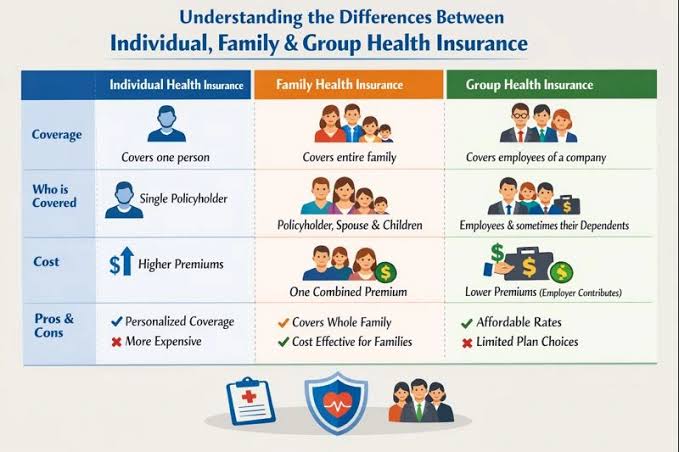
Health insurance is an essential part of financial planning, whether you own a growing company or work independently. Medical expenses can arise unexpectedly, and having the right coverage helps protect both your health and your finances. Since healthcare needs vary from person to person, understanding the available insurance options is an important step toward making an informed decision.
Business owners often search for Group Health Insurance for Small Business to provide valuable benefits for employees while remaining cost-effective. At the same time, freelancers, independent contractors, consultants, and entrepreneurs frequently look for Health Insurance for Self Employed to secure reliable coverage without relying on an employer-sponsored plan. Understanding the differences between these options can help you select coverage that best fits your situation.
Why Health Insurance Matters
Health insurance helps individuals and families manage the cost of medical care by covering eligible healthcare expenses according to the selected plan.
Most health insurance plans may include benefits such as:
- Preventive care
- Primary care visits
- Specialist consultations
- Emergency medical services
- Hospital stays
- Prescription drug coverage
- Laboratory testing
- Mental health services
The exact benefits depend on the insurance provider and the plan selected.
What Is Group Health Insurance for Small Business?
Group Health Insurance for Small Business is employer-sponsored coverage offered to eligible employees and, in many cases, their dependents. Businesses purchase a group policy that allows employees to access healthcare benefits while sharing the cost of coverage.
Common features include:
- Coverage for employees and eligible dependents
- Shared premium contributions
- Access to provider networks
- Preventive healthcare benefits
- Prescription drug coverage
- Wellness programs
Offering group health insurance can improve employee satisfaction while helping businesses remain competitive in the job market.
What Is Health Insurance for Self Employed?
Individuals who work for themselves must typically purchase their own health insurance rather than receiving coverage through an employer.
People who commonly seek Health Insurance for Self Employed include:
- Freelancers
- Independent contractors
- Consultants
- Sole proprietors
- Small business owners without employees
- Gig economy workers
These plans are designed to provide healthcare coverage while allowing individuals to select options based on their personal medical needs and budget.
Benefits of Group Health Insurance
Providing employee health benefits offers several advantages for businesses.
Some key benefits include:
Employee Recruitment
Competitive health benefits help attract qualified candidates.
Employee Retention
Healthcare coverage encourages employees to remain with the company.
Workplace Productivity
Healthy employees often experience fewer absences and greater productivity.
Company Reputation
Strong benefits demonstrate an employer’s commitment to employee well-being.
These advantages make group health insurance an important investment for many businesses.
Benefits of Individual Coverage for the Self-Employed
Self-employed individuals also gain significant advantages from having reliable health insurance.
Potential benefits include:
- Financial protection from unexpected medical expenses
- Access to preventive healthcare
- Greater flexibility when selecting coverage
- Prescription drug benefits
- Peace of mind for individuals and families
Choosing the right individual plan supports both healthcare access and long-term financial planning.
Factors to Consider Before Choosing Coverage
Whether selecting employer-sponsored or individual health insurance, several important factors should be evaluated.
Monthly Premiums
Compare premium costs together with deductibles, copayments, and out-of-pocket maximums.
Provider Networks
Verify that preferred physicians, specialists, and hospitals participate in the network.
Prescription Drug Coverage
Review medication benefits based on current healthcare needs.
Healthcare Usage
Consider anticipated medical services based on age, family size, and existing health conditions.
Budget
Choose coverage that provides appropriate protection while remaining financially manageable.
Carefully reviewing these factors helps consumers make informed healthcare decisions.
Comparing Coverage Options
The following table highlights several key differences between these healthcare solutions.
| Coverage Option | Primary Purpose |
| Group Health Insurance for Small Business | Employer-sponsored coverage for eligible employees |
| Health Insurance for Self Employed | Individual coverage for freelancers, contractors, and business owners |
| Preventive Care | Routine healthcare to maintain long-term wellness |
| Prescription Benefits | Coverage for eligible medications |
| Provider Networks | Access to participating physicians and hospitals |
| Telehealth Services | Convenient virtual medical consultations |
Each option offers different advantages depending on employment status and healthcare needs.
How Professional Guidance Can Help
Health insurance terminology and plan comparisons can be challenging to understand.
Licensed insurance professionals commonly assist by:
- Comparing available plans
- Explaining coverage options
- Reviewing provider networks
- Discussing premiums and deductibles
- Explaining enrollment requirements
- Assisting with the application process
Professional guidance can simplify the process while helping individuals and businesses evaluate available options.
Technology Is Making Health Insurance Easier
Today’s insurance marketplace offers digital tools that improve convenience and accessibility.
Many organizations now provide:
- Online plan comparisons
- Instant premium estimates
- Virtual consultations
- Electronic enrollment
- Secure document uploads
- Online account management
These resources make researching and enrolling in health coverage faster and more convenient.
Choosing the Right Healthcare Solution
Selecting health insurance should involve more than simply comparing monthly premiums.
Many individuals and business owners evaluate:
Affordability
Reviewing total healthcare costs, including deductibles and out-of-pocket expenses.
Provider Access
Ensuring preferred healthcare providers participate in the insurance network.
Coverage Benefits
Evaluating preventive care, emergency services, prescription drugs, and wellness resources.
Future Healthcare Needs
Choosing coverage that continues meeting healthcare requirements as circumstances change over time.
Taking a comprehensive approach often leads to better long-term healthcare decisions.
Finding Coverage That Fits Your Needs
Whether you operate a growing business or work independently, selecting the right health insurance requires careful planning. Comparing available plans, reviewing healthcare costs, and understanding coverage options helps individuals make informed decisions that support both their health and financial well-being. Working with knowledgeable insurance professionals can also simplify the selection process and provide valuable guidance throughout enrollment.
Whether you’re exploring Group Health Insurance for Small Business or searching for Health Insurance for Self Employed, taking the time to compare your options can help you find coverage that aligns with your budget, lifestyle, and long-term healthcare goals.
Final Takeaway
Health insurance is an investment in both personal well-being and financial security. Understanding the differences between employer-sponsored group coverage and individual plans allows business owners and self-employed professionals to choose healthcare solutions that best meet their unique needs.
Key Benefits of Choosing the Right Health Insurance
- Protecting against unexpected medical expenses
- Accessing preventive and routine healthcare
- Comparing affordable coverage options
- Reviewing provider networks and benefits
- Supporting long-term financial planning
- Making informed healthcare decisions
By carefully evaluating available options, individuals and business owners can select health insurance that provides dependable coverage and lasting peace of mind.