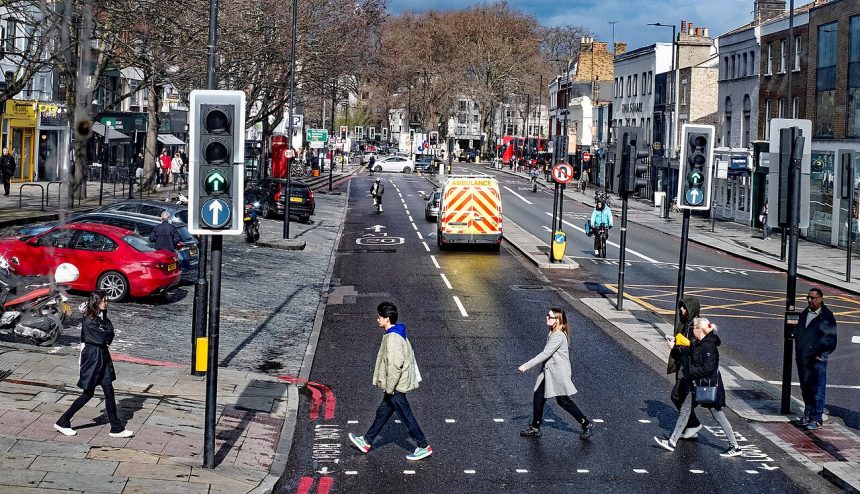
Road safety depends on more than traffic signs, speed limits, and enforcement measures. Drivers also need clear information that helps them understand their behaviour while travelling. On many roads, motorists may gradually increase their speed without realizing how quickly they are moving, particularly on wide or familiar routes. Providing immediate feedback can help make speed awareness a more active part of everyday driving.
Electronic roadside displays offer a practical way to communicate this information. By measuring an approaching vehicle's speed and presenting the result on a visible screen, aradar speed display can remind motorists to pay attention to posted limits. Rather than relying exclusively on occasional enforcement, communities can use real-time feedback to encourage safer decisions throughout the day.
Why Drivers Sometimes Overlook Speed Limits
Speeding is not always the result of deliberate risk-taking. Road design, traffic flow, distractions, and driving habits can influence how quickly motorists travel. A road with long straight sections may encourage drivers to accelerate, while familiar routes can make people less attentive to changing speed limits.
Traditional roadside signs communicate the legal speed limit, but they do not necessarily tell drivers how fast they are currently travelling. This creates an opportunity for feedback technology to make road information more relevant to individual motorists.
When drivers see their actual speed displayed, they receive a direct reminder that connects the posted limit with their current behaviour. This immediate response can encourage them to slow down before entering areas where pedestrians, cyclists, or other road users may be present.
Turning Speed Information Into Immediate Feedback
The main purpose of an electronic speed feedback unit is to measure vehicle movement and communicate the result to the driver. Radar technology detects an approaching vehicle, while the display presents its measured speed in a format that motorists can understand quickly.
Visibility is essential. The screen should be positioned so that drivers can recognize the information without taking their attention away from the road for an extended period. Bright, clear digits and suitable placement can make the feedback easier to notice in different lighting conditions.
Some installations can also use visual indicators to distinguish between acceptable speeds and speeds above the posted limit. These features help communicate the message without requiring drivers to read lengthy instructions.
Choosing Locations Where Feedback Can Make a Difference
The effectiveness of roadside feedback depends heavily on where the equipment is installed. Placing a display at a location with little speeding activity may provide limited benefit, whereas carefully selected sites can address specific safety concerns.
Schools, residential neighbourhoods, roadwork zones, and pedestrian-heavy streets are common examples of locations where speed awareness deserves particular attention.
Before installation, traffic authorities should review vehicle speeds, road geometry, pedestrian movement, and accident records where available. They should also consider whether drivers have enough distance to notice the display and adjust their speed safely.
Aradar speed display can be incorporated into a wider road safety strategy, especially when authorities want to provide motorists with regular reminders instead of depending entirely on enforcement activities.
Making Roadside Information Easy to Understand
Drivers encounter many different signs and visual messages during a journey. If an electronic display is difficult to read or contains too much information, motorists may overlook its purpose.
A useful installation should communicate one clear message at a time. Speed figures should be large enough to recognize from an appropriate distance, and the display should avoid unnecessary visual distractions.
The relationship between the measured speed and the applicable road limit must also be clear. Incorrect configuration could confuse drivers or reduce confidence in the equipment. Authorities should therefore confirm the correct speed setting before putting a unit into operation.
Consistency across different locations can make the technology easier to recognize. When motorists encounter familiar displays in several neighbourhoods, they become more accustomed to responding to the feedback.
Understanding the Importance of Accurate Measurement
Reliable speed detection is central to the usefulness of any feedback installation. If the equipment produces inconsistent readings, motorists may question the information rather than respond to it.
Procurement teams should review the detection range, measurement accuracy, operating frequency, and configuration options offered by a supplier. The equipment should also be suitable for the road environment where it will be installed.
Site conditions can influence performance. Nearby structures, multiple traffic lanes, vehicle positioning, and the direction of approaching traffic may affect how detection equipment is configured.
Testing during installation is therefore important. Technicians should verify that readings correspond with actual vehicle speeds and that the display responds appropriately under normal traffic conditions.
Designing Equipment for Outdoor Conditions
Roadside technology operates in an environment where equipment is exposed to sunlight, rain, dust, changing temperatures, and vibration. These conditions make construction quality an important purchasing consideration.
A suitable outdoor display should have a durable enclosure and appropriate protection for its electronic components. Its screen should remain readable under different lighting conditions, including bright daylight.
Maintenance requirements should also be considered before purchase. Authorities need to understand how equipment is inspected, how faults are identified, and whether replacement components are readily available.
Power supply is another practical factor. Depending on the installation location, conventional electrical connections or alternative power arrangements may be considered. The final choice should reflect local infrastructure and operating requirements.
Using Traffic Data to Guide Future Improvements
Speed feedback installations can form part of a broader approach to understanding road behaviour. When supported by suitable data collection features, traffic authorities may be able to study speed patterns and identify locations that require additional attention.
For example, repeated observations may reveal that motorists frequently exceed limits during certain periods. Such information can help planners review signage, road layouts, or other safety measures.
However, speed feedback should not be treated as a complete replacement for traffic engineering or enforcement. It works best alongside suitable road design, visible markings, pedestrian facilities, and consistent safety education.
Digital planning tools such as Dreamina can also help teams explore early concepts for roadside information layouts or public awareness materials. These visual concepts may support communication planning, while actual equipment placement and technical decisions should rely on engineering assessments.
Measuring the Long-Term Value of an Installation
A roadside display should be evaluated after installation rather than judged only by its initial appearance. Authorities can compare vehicle speed observations before and after deployment to understand whether driver behaviour has changed.
They should also review equipment reliability, display visibility, maintenance records, and feedback from nearby communities. If motorists regularly ignore the information, the location or presentation may need reconsideration.
Long-term evaluation helps decision-makers understand which installations provide practical value and where additional improvements are necessary. It also supports more informed planning when expanding a road safety programme to other areas.
Conclusion
Driver feedback technology gives road authorities another way to make speed awareness part of everyday travel. By displaying measured vehicle speeds, electronic roadside units can remind motorists to follow posted limits and pay closer attention to surrounding road conditions.
The strongest results depend on accurate measurement, suitable placement, clear visual communication, durable construction, and regular performance reviews. When combined with wider traffic management measures, these displays can contribute to a more informed and safety-conscious driving environment.