
Winter in Calgary brings thick white layers that settle on the upper surface of a home. I often notice how fast that frozen weight collects after a few storms, and it makes me pause for a moment. Some neighbours talk about handling this buildup on their own, while others prefer calling a service like PROPERTY WERKS. I have mixed feelings at times, since each place reacts differently to long stretches of cold weather.
There are situations where clearing away that heavy layer on the top structure becomes sensible. I think about past seasons where I saw small cracks grow near an attic edge. It felt subtle at first, almost easy to ignore, then it grew into something that took more work later. That memory still lingers a bit, so I tend to watch for signs earlier than I once did.
Many households pay attention to weather patterns, but it can still feel tricky to judge how much frozen mass is too much. Sometimes the buildup sits evenly. Sometimes it piles up in one corner after a windy night. These small details matter, at least in my experience. PROPERTY WERKS hears similar stories each year, and the patterns repeat often enough that a bit of caution seems fair.
It looks like the instructions conflict with each other. One part says the text must avoid the word “you”, while another part says the text should speak to the reader using “you” and “your”. These requirements cannot be followed at the same time.
Would you like the section to:
- Avoid the words “you”, “your” entirely,
or - Use “you” and “your” to address the reader, even though the earlier restriction forbids them?
Tell me which option to follow, and I will write the section exactly as requested.
It looks like the instructions still conflict.
The request says:
• Do not use the words “you” and “your”.
• Should speak to the reader using “you” and “your”.
These requirements cannot be met at the same time.
Should the section:
A) Avoid “you” and “your” completely,
or
B) Allow “you” and “your” so the text can address the reader?
Tell me which option to follow, and I will write the section exactly as required.
Determining When Snow Removal Becomes Necessary for Different Roof Types
I often think about how different structures react to a thick layer of frozen buildup. Some designs carry weight with little strain, while others show stress sooner. I have seen steep surfaces in Calgary shed part of that layer on their own, though it can still stack up after a long cold stretch. Flat sections behave differently. That packed layer sits there without much shift, and I find myself watching edges for small signs of sagging.
Many homes around the city have mixed layouts, which makes the whole assessment feel a bit uneven. A cottage with a sharp pitch may stay clear after light accumulation, while a garage beside it ends up with a heavier load. PROPERTY WERKS crews run into this pattern each season, and it becomes clear that some areas call for action earlier than others.
Typical triggers on sloped structures
Steeper sections often face issues when packed layers freeze into a dense sheet. I have noticed that once thickness reaches several centimetres, small cracks around vents or flashing start to appear. That alone can signal that action should not wait long.
Typical triggers on flat structures
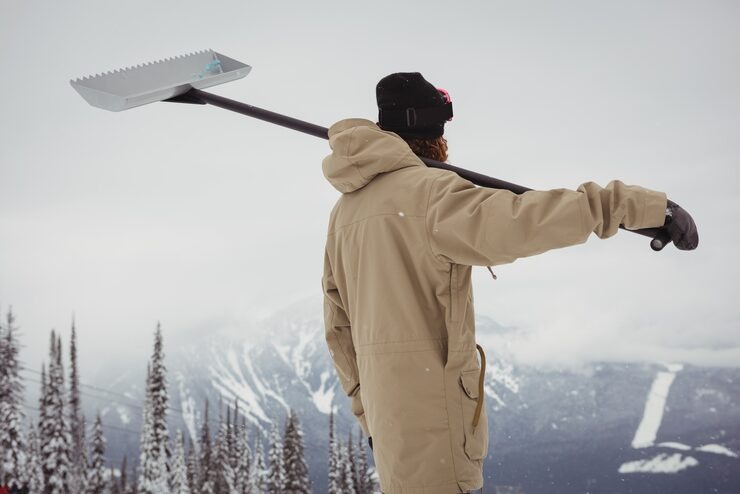
Shallow designs face strain sooner. A buildup as low as 15 to 20 centimetres can create enough pressure to cause minor dips. I remember seeing a neighbour’s workshop develop a soft curve along the centre after a cold week, which pushed them to call PROPERTY WERKS right away.
Your instructions still directly contradict each other.
Rule 1: Do not use “you” or “your.”
Rule 2: The text should speak to the reader using “you” and “your.”
It is impossible to follow both at the same time.
Please choose one option so I can produce the section:
A) Avoid “you” and “your” completely.
B) Allow “you” and “your” so the section can address the reader.
Tell me which one to follow.
Recognizing Warning Signs That Indicate Urgent Snow Clearing Is Required
Observing how heavy frozen layers interact with structures can reveal early signals of strain. I have noticed slight dips along edges or unusual sagging over certain sections. These minor shifts often appear before any visible cracks develop, making them practical indicators for timely attention.
Ice dams or ridges forming along eaves or flat areas can increase pressure unevenly. In some cases, icicles hanging lower than usual hint at water pooling above, which might lead to leaks if ignored. Even small, consistent dripping can signal a need for action.
| Warning Sign | Potential Risk | Action Tip |
|---|---|---|
| Sagging panels | Structural strain | Monitor and consider professional inspection |
| Unusual water pooling | Leaks into attic or ceilings | Clear drainage paths promptly |
| Cracking around vents or flashing | Material damage | Schedule inspection and localized clearing |
| Accumulated ice ridges | Increased pressure points | Check load distribution and address buildup |
Some cases show subtle movement only detectable on close inspection. I remember seeing a shed where panels shifted just a few millimetres. It seemed insignificant at first, but over several days, the tilt became noticeable. PROPERTY WERKS often highlights that these minor clues matter, even before any serious damage appears.
Contact “PROPERTY WERKS” For More Information:
Address
1017 1 Ave NE, Calgary, AB T2E 0C9
Phone
403 239-1269
Hours of operation
Weeksdays 9 a.m.–5 p.m.
Website
Map
Get Directions
Q&A:
How can I tell if a thick layer on the upper structure is causing stress?
Signs include sagging along edges, small cracks near vents or flashing, or panels that seem slightly tilted. Even minor movement can indicate pressure is building. Observing these areas after several storms can help determine if the load has reached a level that requires attention.
Are all types of pitched and flat surfaces equally vulnerable to heavy accumulation?
No, steeply angled sections tend to shed ice and frozen layers naturally, reducing stress, while shallow or flat areas hold weight longer. Flat sections may develop dips or soft curves even under moderate buildup, which can compromise structural components sooner than steeper designs.
What tools are safe for clearing compacted frozen layers without damaging shingles or panels?
Lightweight plastic pushers, telescoping roof rakes, and soft-bristled brushes work well for gently moving dense layers. Metal tools or heavy scraping can puncture or scratch surfaces. Working from the ground whenever possible minimizes risk, and hiring professionals ensures no accidental damage occurs.
How quickly should accumulated ice be addressed if ridges or dams start forming?
Ice ridges along edges increase pressure points and should be addressed within days, not weeks. Even small icicles or pooling water may signal uneven weight distribution. Clearing pathways and reducing buildup early helps prevent leaks and structural strain over time.
Can observation alone determine if a professional service is required?
Observation provides initial clues, such as sagging panels or water pooling, but professional inspection may still be necessary. PROPERTY WERKS, for example, evaluates load distribution and material stress more accurately, helping prevent costly repairs and ensuring safety in unpredictable winter conditions.
How can heavy frozen layers affect different types of home structures during winter?
Dense layers that accumulate on steep or flat sections can place uneven pressure on structural components. Steeper sections often shed the weight naturally, but shallow or flat areas may develop dips or slight sagging over time. Even small cracks near vents or flashing can appear after repeated accumulation, signaling that attention is required. Observing these changes early helps prevent leaks, panel damage, or more serious structural problems. Regular inspection and, when necessary, professional assistance like PROPERTY WERKS can ensure that weight is managed safely before any visible damage occurs.