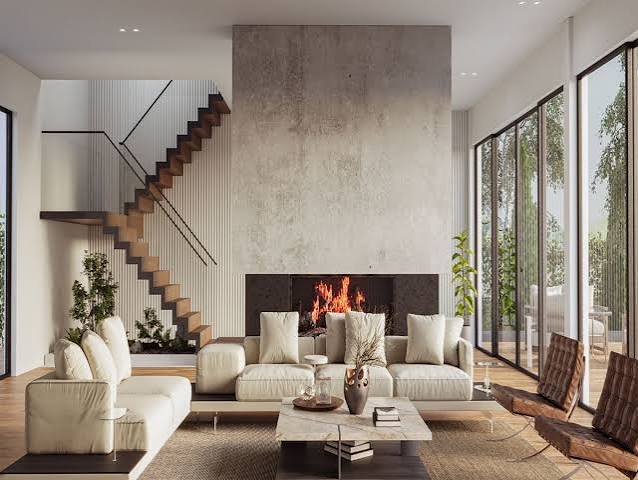
Presenting a property at its best requires more than tidying up and adding a few decorative touches. Luxury home staging is about creating an environment that allows buyers to picture themselves living comfortably and stylishly. By focusing on key design principles and buyer psychology, a well-staged home can attract stronger offers and reduce time on the market.
Understanding the Purpose of Luxury Home Staging
The goal of luxury real estate staging is to highlight a property’s finest features while minimizing distractions. It helps potential buyers connect emotionally with the space. Staging transforms rooms into elegant yet livable settings that feel both aspirational and attainable.
Unlike basic staging, luxury staging involves high-end furnishings, curated art, and thoughtful lighting. These details convey exclusivity and attention to quality, reinforcing the value of the property in buyers’ minds.
Creating a Cohesive Design Vision
Consistency in design is crucial for luxury properties. Each room should tell the same story of sophistication and comfort. Cohesion ensures that transitions between spaces feel natural, reinforcing the impression of a well-planned home.
Professionals often begin by identifying a clear aesthetic direction—modern minimalism, classic elegance, or contemporary warmth. Once the vision is set, every design element, from furniture to fabrics, should align with it.
Color and Texture Balance
Neutral palettes remain popular because they appeal to a wide range of buyers. Subtle variations in texture, such as soft linens or polished metals, add depth without overwhelming the eye. The right balance of color and texture creates visual interest while maintaining an atmosphere of calm and refinement.
Highlighting Architectural Features
Effective staging accentuates the home’s architectural strengths. Large windows, detailed moldings, and spacious layouts should be emphasized through strategic furniture placement and lighting choices.
- Place seating to draw attention toward a view or fireplace.
- Use accent lighting to showcase unique ceiling details or artwork.
- Keep pathways open to highlight flow and spatial harmony.
These subtle techniques allow buyers to appreciate craftsmanship and design elements that set the property apart.
Incorporating Lifestyle Elements
Luxury staging succeeds when it reflects a desirable lifestyle. Small details, such as a beautifully set dining table or a serene reading nook, help buyers imagine daily life in the home. The goal is to evoke emotion and create a sense of belonging.
High-quality accessories, coordinated linens, and fresh greenery can elevate the atmosphere. However, restraint is key. Too many decorative items can make spaces feel cluttered or impersonal.
Adapting Strategies for Urban Markets
In dense metropolitan areas, staging requires special consideration. Limited space and varied buyer demographics mean flexibility is essential. Experienced professionals adapt NYC staging techniques to suit apartments, penthouses, and townhomes, ensuring each feels spacious and inviting.
Urban buyers often value efficient layouts and multifunctional spaces. Staging that highlights storage potential and natural light can make even smaller properties feel luxurious and practical.
Maintaining Buyer Confidence Through Presentation
The confidence a buyer feels during a showing often determines whether they make an offer. A carefully staged home signals that the property has been well cared for, reducing concerns about hidden issues. The right presentation builds trust and helps buyers envision a seamless move-in experience.
Ultimately, luxury home staging blends aesthetics and psychology. When executed with precision, it transforms a property into a compelling lifestyle statement—one that resonates deeply with discerning buyers and inspires confident decisions.